FIFA World Cup 2026, a 48-team, 104-match behemoth kicking off next week across 16 cities in the United States, Mexico and Canada, presents an unprecedented security challenge, with more countries, games and a larger footprint than ever before. It also comes against the backdrop of the U.S. and Israel’s war with Iran, mounting political violence in President Donald Trump's orbit and growing fears of artificial intelligence-fueled disruptions, creating a complex threat environment for authorities.
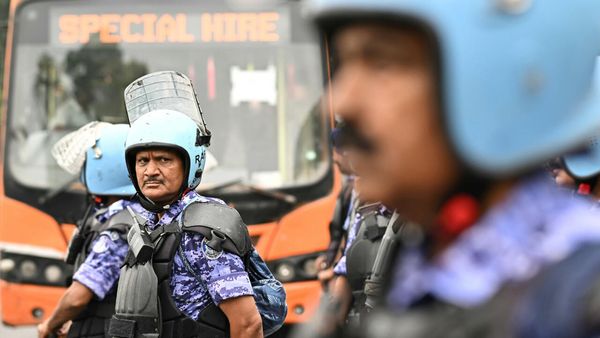
Overseeing the sprawling security apparatus is a legion of federal agencies, state and local police departments and private entities. Their responsibilities range from securing stadiums and fan zones to escorting teams and protecting dignitaries.