The September 30 funding deadline that health agencies had been preparing for all summer is no longer the deadline. A stopgap bill signed into law on September 2 pushed the government's funding date to December 11, 2026, and with it the immediate risk of a lapse at federal health agencies.
What the stopgap did not do was move the separate deadline that determines how community clinics are paid. The mandatory Community Health Center Fund, which supplies about 70% of federal grant dollars for the nation's health centers, is scheduled to expire on December 31, 2026, according to the National Association of Community Health Centers.
That leaves two money deadlines twenty days apart, both landing after the November midterm elections, in the compressed weeks of a lame duck session.
Two Clocks, Twenty Days Apart, Both After the Midterms
H.R. 6500, the Continuing Appropriations and Extensions Act, 2027, continues fiscal 2027 appropriations at largely fiscal 2026 levels until December 11 or until a full-year appropriations act is enacted, whichever comes first. The House passed the Senate-amended bill 370 to 48 on September 1, after the Senate approved it 90 to 6.
For federal health agencies, the effect is continuity rather than resolution. Funding for agencies including the CDC and the Health Resources and Services Administration keeps flowing at prior-year levels while negotiators work on full-year bills.
For health centers, the picture splits in two. Discretionary Section 330 appropriations, which had been set to run out on September 30, now ride along with the stopgap through December 11. The mandatory fund, which is set by authorizing committees rather than appropriators, runs on its own calendar to December 31. A clinic finance officer has to plan against both.
The state health officials' association published a summary of the stopgap's public health provisions that lists extensions for several Department of Veterans Affairs health authorities, including rural veterans' mental health programs, suicide prevention grants, rural ambulance reimbursement, nursing home care authorities and certain caregiver mental health supports. The association also noted that the December date creates a compressed schedule during the post-election period.
Clinics Serving Tens of Millions Sit in the Middle
The households most exposed to this calendar are the ones least likely to be following it.
In its statement on the appropriations act that set current funding levels, the association reported 1,512 community health centers delivering care at more than 17,000 locations in every state and territory. It said those centers serve 52 million people, one in seven Americans and one in three rural residents, and employ at least 326,000 workers. That 52 million figure is a Weitzman Institute estimate of people reached. Federal program data count patients more narrowly: HHS announced in August that HRSA-funded health centers served more than 32.7 million patients in 2025 at more than 16,000 service sites, the highest number in the program's history and an increase of more than 350,000 from 2024.
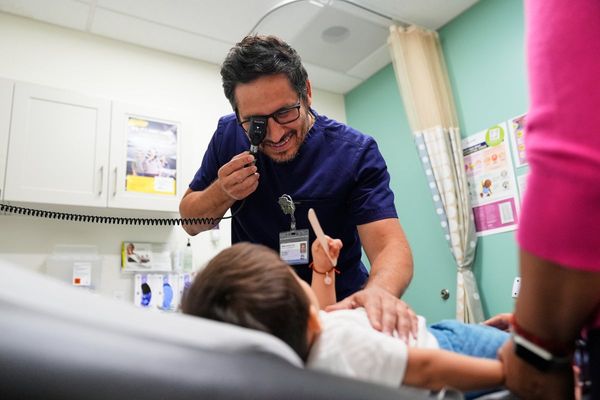
These are the clinics where uninsured and Medicaid-covered families get primary care, prenatal visits, childhood immunizations, dental care, behavioral health appointments and prescription refills. HRSA reports that they serve one in eight children, one in five rural residents, and one in 15 adults aged 65 and older.
Short funding horizons do not usually close clinics. They change hiring. The association has repeatedly warned that without timely action, centers may scale back some services, pause clinician recruitment or delay new projects. A health center that cannot promise a nurse practitioner more than a few months of funded salary loses that recruit to a hospital that can.
The current appropriation set the fund at $4.6 billion, which the association described as the largest increase in a decade. That figure does not extend past December 31 on its own.
Telehealth and Workforce Programs Run on Different Timelines
Not every program hits the wall at once, and the differences are worth knowing before a family worries about a specific appointment.
Medicare telehealth flexibilities were extended through 2027 in the appropriations act enacted earlier this year, according to the same association statement. A Medicare patient scheduled for a video visit in January is not facing a December cliff on that authority.
Workforce programs were funded at $350 million in base funding for the National Health Service Corps in 2026 and $225 million for Teaching Health Center Graduate Medical Education, with additional money in later years. Those programs place clinicians in underserved areas and train residents in community settings, which is why their funding cycles show up years later as physician supply.
The stopgap also blocked a proposed federal financial assistance rule through December 11, provided $21.4 million in additional Medicaid funding for the Northern Mariana Islands tied to recovery from Super Typhoons Sinlaku and Bavi, allowed the Agriculture Department to keep the WIC nutrition program operating, and let FEMA obligate disaster relief at the rate needed for response.
Steps Patients Can Take Before the Lame Duck Session
None of this calls for stockpiling medication or canceling care. It does call for a few unglamorous administrative moves in the next several weeks.
Patients who rely on a community health center can ask at their next visit whether the clinic anticipates any service or scheduling changes in the winter, and can confirm that contact information on file is current so the clinic can reach them. Anyone due for a routine screening, a well-child visit, a dental cleaning or a vaccine that has been sitting on the to-do list has a practical reason to book it now rather than in January.
People managing chronic conditions should check refill dates and ask whether a 90-day supply is possible under their plan, which reduces exposure to any administrative slowdown. Patients without a usual source of care can find a federally funded clinic through the federal health center locator.
Several things are genuinely unknown. Congress could pass full-year appropriations, extend the stopgap again into 2027, or fold a health center fund extension into a year-end package. Whether the fund gets a short extension or a multi-year reauthorization has not been decided, and neither chamber has released a year-end health package.
The reasonable takeaway is that federal health agencies are funded through December 11, community clinic grant authority runs to December 31, and the people with the most at stake are patients whose primary care depends on a clinic that cannot yet write a 2027 budget. MedicalDaily will track both dates.
Key Questions Answered
Did the government shut down on September 30? No. A continuing resolution was signed into law on September 2, funding federal agencies through December 11, 2026, or until full-year appropriations are enacted.
What is the December 31 deadline? That is the scheduled expiration of the mandatory Community Health Center Fund, which is separate from annual appropriations and provides about 70% of federal grant funding for community health centers.
How many people could be affected? The centers' national association reports care for 52 million people at more than 17,000 locations. Federal data count 32.7 million patients at HRSA-funded centers in 2025. The two figures use different definitions.
Will clinics close in January? No one has announced closures. Historically, short funding horizons have led centers to pause hiring, delay expansion, or scale back some services rather than shut down.
Is Medicare telehealth affected? Medicare telehealth flexibilities were extended through 2027 in the appropriations act enacted earlier this year, so they are not tied to the December deadlines.
What can patients do now? Schedule overdue routine care, confirm prescription refill timing with a pharmacist, keep clinic contact information current, and ask the clinic directly about expected winter scheduling.
When will this be resolved? Congress would need to act before December 11 on appropriations and before December 31 on the health center fund. Both fall in the post-election session.