A U.S. government panel was due to convene Tuesday for the first time since 1992 to consider exempting oil and gas drilling in the Gulf of Mexico from the Endangered Species Act due to unspecified national security concerns, a move critics say could doom a rare whale species and harm other marine life.
Nicknamed the “God Squad” by groups who say it can decide a species’ fate, the Endangered Species Committee comprises several Trump administration officials and is chaired by Interior Secretary Doug Burgum.

Republican President Donald Trump has made increased fossil fuel production a central focus of his second term. He wants to open new areas of the Gulf off the Florida coast to drilling, and has proposed sweeping rollbacks of environmental regulations disliked by industry.
Defense Secretary Pete Hegseth notified Burgum on March 13 that an Endangered Species Act exemption for oil and gas drilling in the Gulf was “necessary for reasons of national security,” according to a court filing from the administration.
Government officials have not disclosed the rationale for the request, which came amid global oil shocks and soaring energy prices brought on by the Iran war. Experts say the administration must specify the military need that would endanger a species to make a case for the national security exemption.
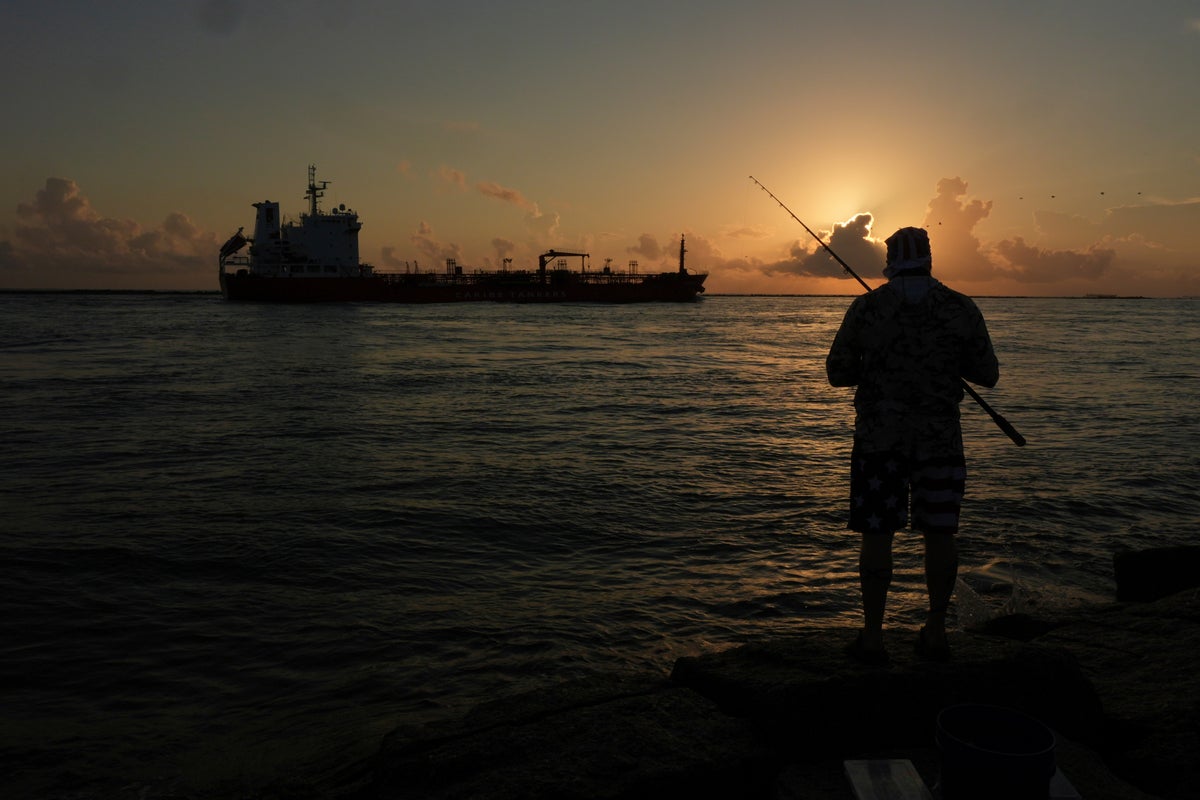
The Gulf of Mexico is one of the nation’s top oil-producing regions. It accounts for more than 10% of crude pumped annually in the U.S., plus a small share of domestic natural gas production.
But the Gulf also has been the scene of environmental disasters such as BP’s Deepwater Horizon blowout in 2010 that killed 11 workers and spilled 134 million gallons (500 million liters) of oil. A spill in the Gulf earlier this month spread 373 miles (600 kilometers), contaminating at least six species and polluting seven protected natural reserves.
The Trump administration in mid-March approved BP’s new $5 billion ultra-deepwater drilling project in the Gulf.
Environmental groups sought unsuccessfully to block Tuesday’s meeting. They claimed an exemption would doom the rare Rice’s whale to extinction. Only about 50 remain in the Gulf.
A judge who struck down the environmentalists' request suggested it was premature since officials had not yet acted on the proposed exemption.
A 2025 National Marine Fisheries Service analysis determined the Gulf oil and gas program was likely to harm several species of whales, sea turtles and Gulf sturgeon that face potential harm from ship strikes, oil spills and other impacts.
The Endangered Species Committee was established in 1978 as a way to exempt projects from the Endangered Species Act, which makes it illegal to harm or kill species on a protected list, if no alternative would provide the same economic benefits in a region or if it was in the nation’s best interest.
The panel has convened just three times in its 53-year history and issued only two exemptions. The first was in 1979 to allow construction on a dam on the Platte River in Wyoming, home to the whooping crane. It last met in 1992, allowing logging in northern spotted owl habitats in Oregon. That exemption request was later withdrawn.
Its latest meeting follows a federal judge’s ruling on Monday that struck down attempts during Trump’s first term to weaken rules for endangered species.
The panel's members include the secretaries of agriculture, interior and the Army, the chairperson of the Council of Economic Advisers, and the administrators of both the Environmental Protection Agency and the National Oceanic and Atmospheric Administration.
The Associated Press left email and telephone messages with Interior and Defense Department officials requesting comment.
JetBlue raises checked bag fee by at least $4 amid higher fuel costs due to Iran war
China factory activity rebounds in March as Iran war looms over growth
Iran-US war latest: Kuwaiti oil tanker off Dubai port hit after Trump issues warning
Family says body found in Colombia identified as missing US flight attendant
Trump approval dips to second-term low as pollster warns of ‘profound problems’
Virgin Galactic reopens sales for spaceflight tourism priced at $750,000 a seat