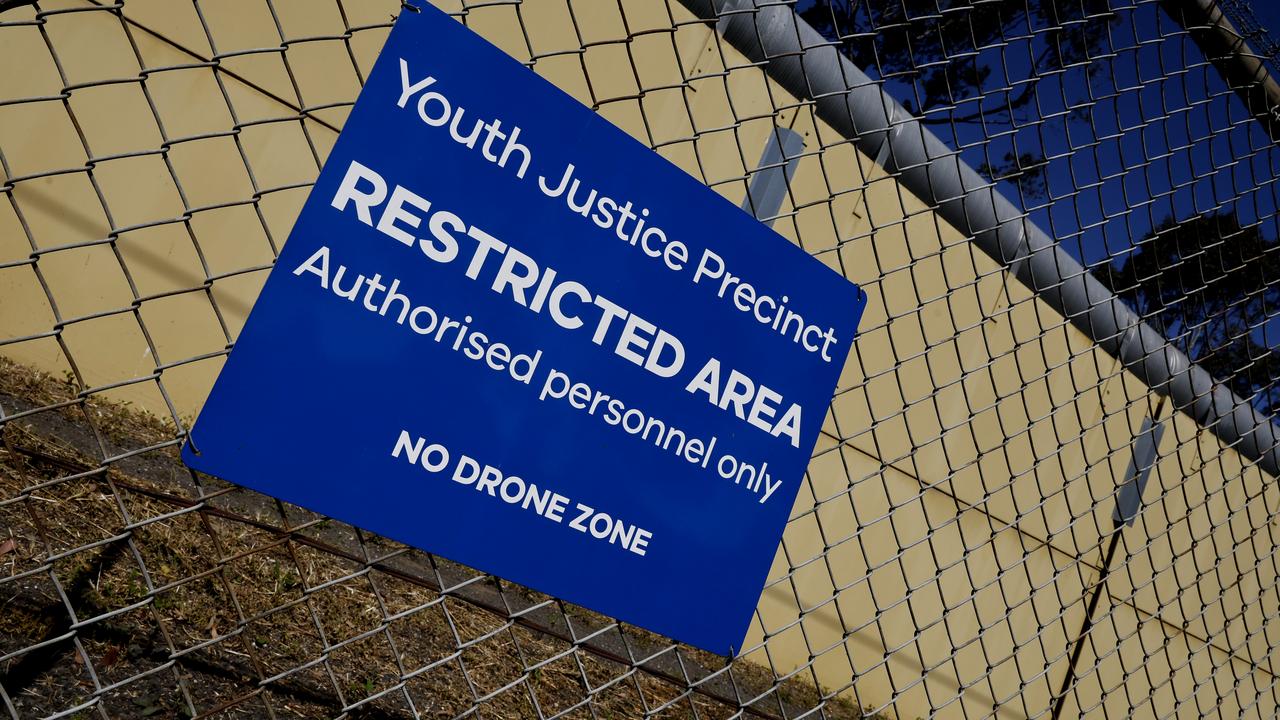
Australia's strategy on youth justice and incarceration must be informed by real evidence and lived experience rather than political panic, a new national report warns.
Although youth crime continues to dominate headlines nationwide, the number of children prosecuted by police last year fell 5 per cent.
It's a continuing trend, as youth offending has fallen in every state and territory over the past two decades.
The senate standing committee on legal and constitutional affairs delivered a final report on Friday on the inquiry into Australia's youth justice and incarceration system.
Committee member, Greens justice spokesman David Shoebridge is encouraging other politicians to consider a more data-driven strategy.
"The data this committee obtained tells a very different story to the one dominating headlines," the senator said.
"Politicians who want to keep communities safe should be following the evidence, not the panic."
It's a sentiment echoed by the Justice Reform initiative executive director Mindy Sotiri.
''We need our leaders to move away from politicised policy making and take a clear-eyed look at the evidence about what actually works," Dr Sotiri said.
"We cannot let more children and more communities suffer harm."
A series of national recommendations have been delivered, including to develop national minimum standards for the sector, alongside a national child and community safety task force.
''This is the first time we have had cross party recognition that the federal government has a critical role in youth justice to help deliver real safety gains for the whole community," Mr Shoebridge said.
"The Commonwealth cannot keep funding failure and abuse in the name of state and territory autonomy."
The attorney-general will establish the task force, bringing together police, education, social, health and legal services, alongside employment departments to coordinate national reform for Australia's youth justice system.
In July 2025, the ACT raised the age of criminal responsibility to 14, implementing community solutions to support younger children.
Every other state and territory still can prosecute children as young as 10, the equal lowest age among all OECD countries.
''Getting these different elements right keeps the community safe and onside, stops young people falling through the cracks and upholds human rights," Mr Shoebridge told AAP.
''The fact it saves governments money by transferring activity from obscenely costly youth jails to community run solutions, is a useful by-product of this policy change."
It is also hoped that the reform will address the the persistent over-representation of First Nations children in the youth justice system.
"Children caught up in this system are overwhelmingly poor, First Nations, and living with disability or trauma," the Greens spokesperson on justice said.
The report found that on an average night in the June 2025 quarter, 60 per cent of children detained were Indigenous, despite being 6.6 per cent of the general population.
That makes First Nations young people 24 times more likely to be locked up.
"Tough-on-crime policies do not function to keep communities safe," independent senator Lidia Thorpe said.
"Locking children up does not make our community safer and seriously harms the children concerned, particularly First Nations children.''
13YARN 13 92 76
Lifeline 13 11 14