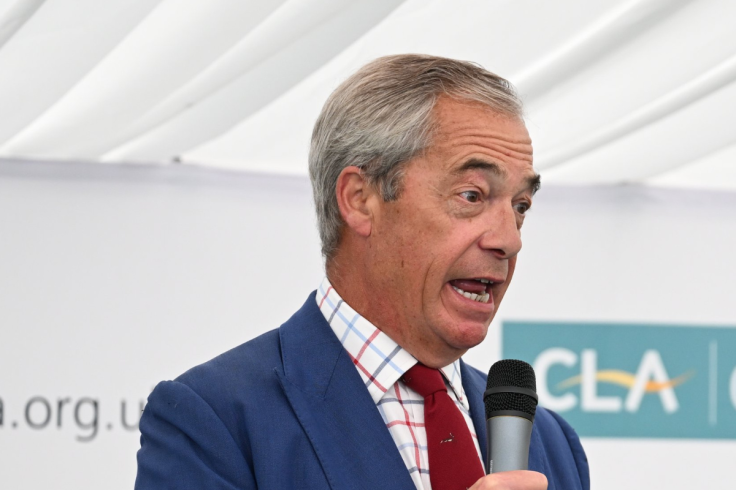
In the past month of heightened far-right activity across the UK, it comes as little surprise that rhetoric has been sharpened into policy. Yesterday, Nigel Farage, leader of Reform UK, announced a plan to rescind migrant protections, specifically targeting asylum applications and refugee resettlement programs, promoting it as a reform that would save the country more than £200 billion (approximately $270 billion). Economists, however, are deeply sceptical.
Britain has already lived through the consequences of stripping back migration. Brexit ended freedom of movement for EU workers, which resulted in a significant reduction of the workforce in key sectors such as hospitality, healthcare, and infrastructure. These industries, where EU nationals once made up nearly half the workforce, have experienced visible impacts: delayed medical assistance, unharvested crops, empty classrooms, and higher costs for basic services.