As Iran, Israel and the United States continue to trade salvos over the Middle East, the attention of many Australians seems magnetised to the chokehold geopolitics has over our supply chains and stock market fortunes.
Yet this could hardly feel more remote for down-hearted western Sydney mother-of-three Tesa as she reveals how financially difficult the past six weeks has been.
"I don't go anywhere now", she laments.
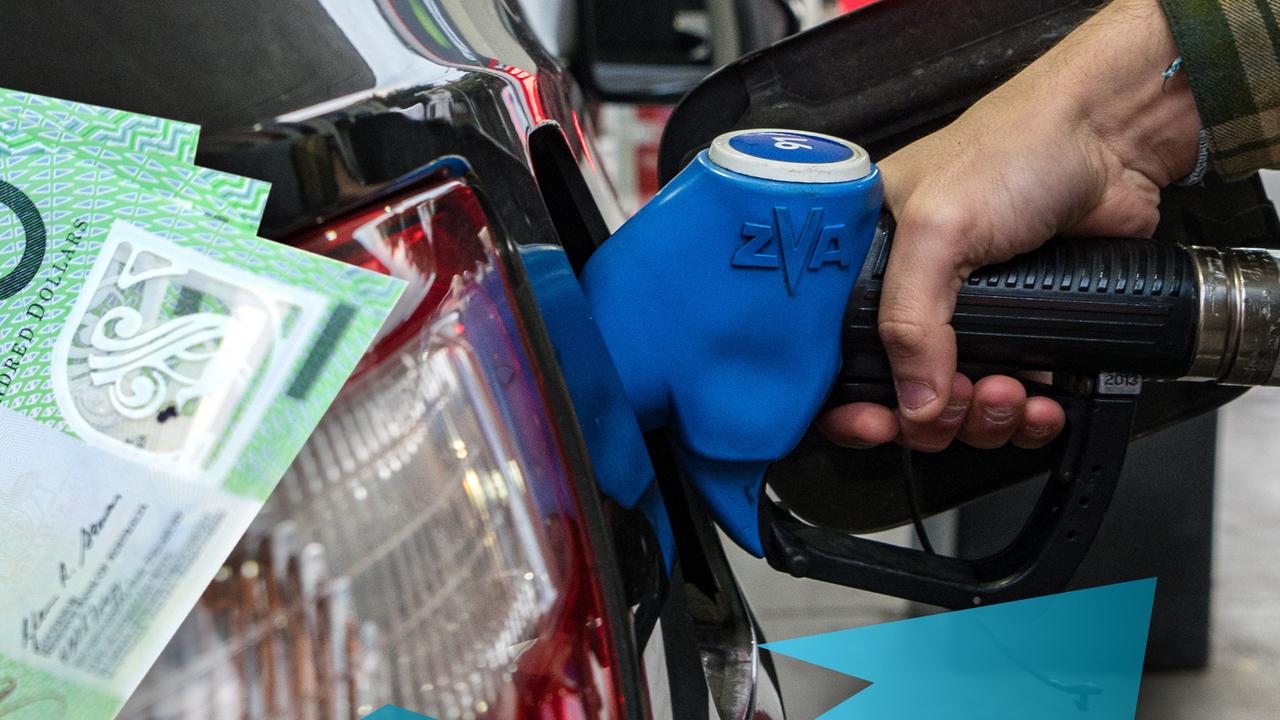
Needing to import more than 90 per cent of our fuel hasn't deterred Australia's big cities from sprawling into vast outer suburbs where cars are the only viable means of transport.
It's a reality that makes not so well-to-do city-dwellers the ones most susceptible to escalating petrol prices.
Some families residing on the suburban fringe can't get their kids to school, pack them lunch, buy uniforms, or pay for wifi, utilities or hot meals.
"It's that compounding challenge of increasing rent even in those areas where they've had to move further out", says Smith Family charity CEO Doug Taylor.
"An increased reliance on the car to get around and to maintain upkeep on that ... that's where these fuel prices have another big impact on them," he tells AAP.
Before the current fuel squeeze, Tesa, who has asked that her surname not be used due to privacy concerns, was able to lock in a low per-litre price ahead of time to aid her budgeting.
Now, she says, that's pointless.
"Everywhere is the same price", she says.
"I'll look for where the cheapest one is and then I'll actually drive there ... it may cost more to drive there but I think it's going to save me money.
"It's probably not much but a saving is a saving now."
A survey the Smith Family has conducted on the household impact of the fuel crisis received a deluge of more than 750 responses in just 24 hours.
More than 88 per cent of respondents said the crunch had impacted their budget "a lot".
A similar number reported spending less due to fuel price rises, and often on other essentials.
Think tuition fees, winter woollens, lunch packs, stationary and, in some cases, phones. That's not to mention household gas and electricity.
"It's absolutely heartbreaking, feeling like a lower-class citizen because I have to cut back just to get my kids to school," one wrote.
"Some days my kids can't attend school," another conceded.
"It is impacting school runs, so my kids are missing some school," a third echoed.
Three in four families who participated in the research are using their car less and almost all are cutting corners to purchase petrol.
"Stress levels have gone way up," said yet another respondent.
"As a single parent trying to provide for my two kids, I'm finding it hard to put a smile on my face.
"I'm brave in front of the kids but I am truly struggling."
Trying to convince knowing teenagers that things aren't as dire as they seem gets especially difficult.
For Tesa, more hard-earned money spent at the bowser means paring back or abandoning extra-curricular pursuits for her kids.
"These are activities that help them, motivate them into what they want to be in the future," she says.
Her family's nearest train station is a hefty bus ride away and one that can often also involve a long wait.
It means Tesa also feels her children are no longer safe catching public transport.
"That's the whole reason why I got the car," she says.
Charities like the Smith Family support her by chipping in for school essentials and running special programs.
However Mr Taylor says cost of living pressures have left the 103-year-old charity struggling on twin fronts.
"We're hit with ... the pressure that Australians feel in providing financial support and at the same time we have this unprecedented demand", he explains, adding that the number of donors has fallen.
At the local park, Tesa's kids squeal with delight as they compete to see who can go highest on the swings.
She hopes she can keep them smiling amid a conflict and crisis that has already impacted her from impossibly far away.