It’s no surprise that with the arrival of autumn and winter, comes plenty of health problems — and that includes issues with your sleep.
And while one of the main issues contributing to this is the start of daylight savings time, where the clocks turn back one hour, there are plenty of other factors that can disrupt our sleep.
Which is why we’re launching Fall Back into Great Sleep, a week-long campaign of the best sleep advice you can get from top experts in the industry. Here’s everything you need to know and how to start sleeping better this fall.
Fall back into great sleep: The complete guide
Fall Back into Great Sleep: Sleep health
Fall Back into Great Sleep: Mattresses, pillows and bedding
Fall Back into Great Sleep: The clocks falling back
Fall Back into Great Sleep: Fall and winter sleep hacks
What is Fall Back into Great Sleep?
To address the common problems our readers face during this time, we’ve decided to mark the change in season with a week-long campaign to help people get better sleep.
Through expert interviews, deep dives into sleep health and opinion pieces on what helps our expert team of sleep writers get the rest they need, Fall Back into Great Sleep will answer questions like:
- How will the clock change impact my sleep?
- Why is it so difficult to wake up in the winter?
- What will help me sleep through the season change?
- Should I nap during the winter?
- Why am I so tired all the time?

How our sleep changes with the seasons
So while we’ll dive deeper into all things sleep, let’s take a look at the main differences you can expect to see in your sleep as the seasons change.
You’ll likely feel more tired
With fall in full swing and the clock change rapidly approaching (26th October for UK, 2nd November for U.S), the mornings are already a lot darker — a stark contrast to the 5am sunrises of the summer.
The result? Slow mornings that feel impossible to wake up for.
This is because the hormone that makes us feel sleepy, melatonin, is suppressed by daylight. Without daylight, our hormone cycle and circadian rhythm struggle to know that it’s time to feel alert and awake. Hence why we feel groggy for longer.
Sleep patterns shift
Without enough natural daylight, especially in the mornings, your sleep patterns may start to shift. Our internal body clock determines when we feel awake and when we feel sleepy. As well as other things, daylight helps control this.
Add a time change into this, and your body clock can quickly become dysregulated.
You may find yourself feeling tired earlier in the evening as the sun starts to set earlier — the dark stimulating melatonin production.
And you might also find you want to sleep more, because even if you’ve slept for eight hours, if it’s still dark outside your body is unlikely to recognize it's morning.
Add a time change into this, and your body clock can quickly become dysregulated.
Your sleep might be disrupted
Temperature changes can also be responsible for a less-than-good night’s sleep. A common mistake in winter is to crank the heating up for a cozy night’s sleep. However, the best temperature for sleeping is actually a lot cooler than you think at 65 to 70 F (18 to 21 °C).
This is because a key indicator to our bodies to fall asleep is a drop in a core body temperature which happens naturally in the evenings. To wake up, our body temperature increases.
So if we get too hot in the night, then we’re likely to wake up. Similarly, if you're too cold, it’s unlikely you’ll sleep through.
How to sleep better this fall
We’ll be offering the best of the best advice to sleep better this fall in the next week, but for now, here are three simple tips to stick by this winter.
Stay consistent
Going to sleep and waking up at the same time is the most effective way to combat the changes in your circadian rhythm. A clear sleep schedule helps tell your body when it should feel tired and when it should feel awake.
You are giving yourself weekend ‘jetlag’
Sleep regularity is actually often considered more important than sleep duration — so be sure to keep your alarm set to the same times throughout the year (yes, even at weekends!)
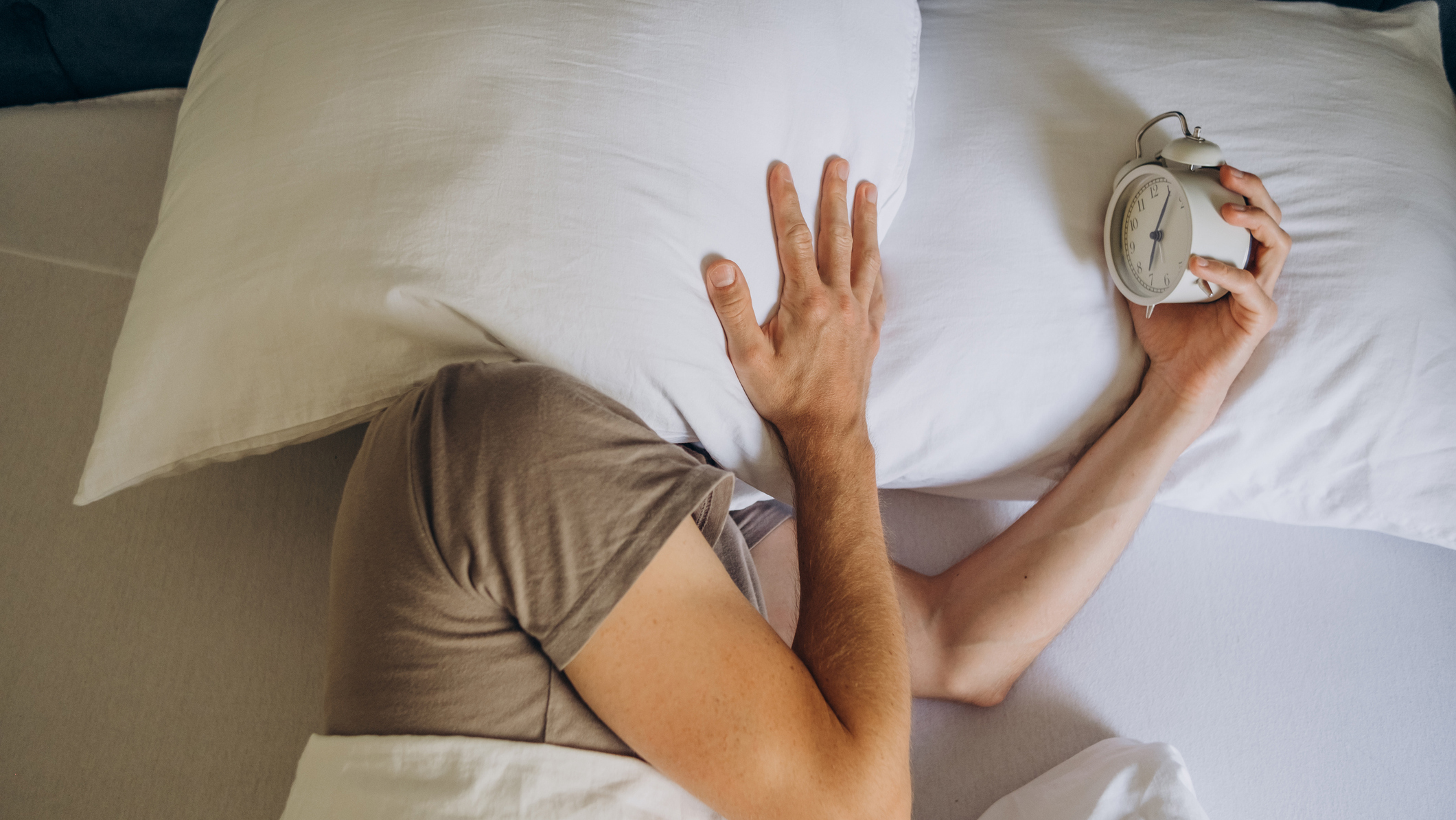
“If you wake up and go to bed early but stay up late and have a lie-in on the weekend, you are giving yourself weekend ‘jetlag’,” Dr. Lindsay Browning, a chartered psychologist, neuroscientist and author.
Create the perfect environment
To stop temperature fluctuations from disrupting your sleep, turn the heating off at night and invest in the right bedding to keep you warm but not hot.
This can include temperature regulating materials like wool which can wick moisture away from your body and either keep heat close to you or draw it away depending on how warm you are.
This keeps your temperature even throughout the night, allowing you to sleep deeply and uninterrupted. You'll want to keep your room cool and dark (try blackout blinds), and ensure you're sleeping on the best mattress for your body.

Get outside
Potentially the most important tip is to get outside during the day, and preferably in the morning. The natural sunlight helps you suppress melatonin and stimulate serotonin which helps you stay awake and alert throughout the day.
"Starting your morning with natural daylight helps to reset your circadian cycle and sends a 'wake up' signal to your brain," says Dr. Nerina Ramlakhan, a Neurophysiologist and sleep expert at Oak Tree Mobility.
A morning walk or a coffee in the garden can make the world of difference. It’s all too easy to stay in a warm, cozy house but a quick 10 minute blast of daylight can combat many of the sleep problems winter brings.

We'll be updating this article with all of the sleep advice you need for the season change, so be sure to check back regularly.