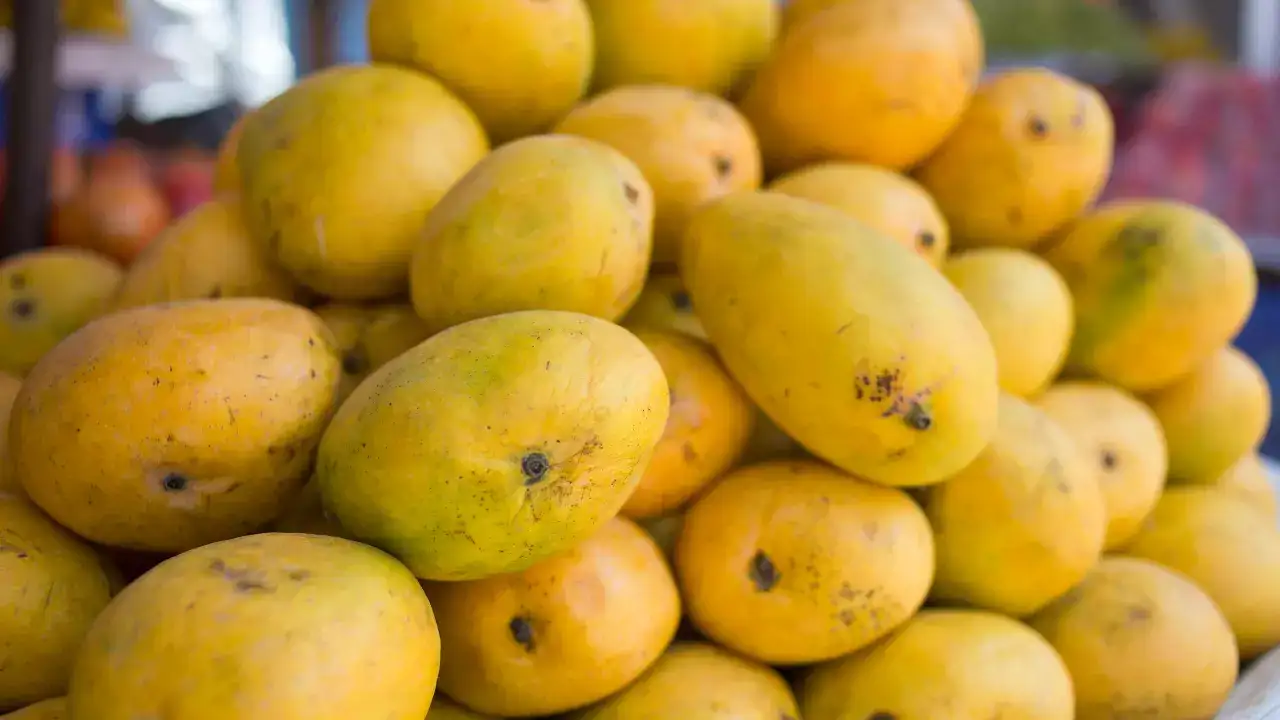
As soon as the summer arrives, the Indian markets get flooded with a variety of mangoes. But along with the real ones, the artificially ripened mangoes that use harmful chemicals like calcium carbide are also sold to meet the surging demand. According to the Food Safety and Standards Authority of India (FSSAI), it is important for buyers to pay attention to the look, feel, smell, and quality of mangoes before buying.
ALSO READ: African proverb of the day
How to Identify Artificially Ripened Mangoes at Home
Check the skin colourArtificially ripened mangoes often have a more uniform colour and may appear overly yellow or orange compared to naturally ripened ones. They can also look slightly shiny or unnaturally glossy.
Smell the mango
Naturally ripened mangoes usually have a strong, sweet, fruity aroma. In contrast, artificially ripened mangoes may have a faint, chemical-like, or unusual smell.
Check the firmness
Artificially ripened mangoes may feel softer or slightly mushy. This is because ripening chemicals can break down the fruit’s cell structure, affecting texture.
Look for external damage
Sometimes, chemically treated mangoes may show minor bruises, dark spots, or surface irregularities. Naturally ripened mangoes are generally more uniform and clean in appearance.
Conduct a taste test
Experts suggest that artificially ripened mangoes may taste bland or slightly off. A strange aftertaste or lack of natural sweetness can be a warning sign.
Soaking method
Place mangoes in a bucket of water. Naturally ripened mangoes are more likely to sink, while artificially ripened ones may float. (This is a commonly used traditional check, but not scientifically foolproof.)
Baking soda test
Soak mangoes in water mixed with baking soda for 15–20 minutes. After washing, if there is any noticeable change in color or surface appearance, it may indicate chemical treatment or polishing.
Matchstick test (use with caution)
Bring a lit matchstick near chemically treated mangoes may produce sparks or unusual reactions. This method is not scientifically reliable and can be risky. It should be avoided, especially without supervision or proper safety measures.
How to pick the right mangoes?
According to experts, one can follow the following rules while buying the right mangoes:.
1. Never buy too-perfect-looking mangoes.
2. Avoid too-shiny mangoes because they might be chemically treated.
3. Wash fruits thoroughly with running potable water before eating.
4. Avoid mangoes with black blotches on the skin, as they might be ripened by acetylene gas produced from calcium carbide.
Health risks of chemical-ripened mango
Chemical-ripened mangoes (especially those treated with calcium carbide) may pose serious health risks. They can cause stomach-related issues such as:
- Nausea
- Vomiting
- Abdominal pain
- Diarrhea
- They may also affect the nervous system, leading to:
- Headache
- Dizziness
- Confusion
- Mood swings
People with asthma or respiratory issues may experience:
- Irritation in the respiratory tract
- Breathing discomfort
- In sensitive individuals, contact or consumption may trigger:
- Skin rashes
- Itching
- Allergic reactions or flare-ups
Long-term exposure to impurities in ripening agents (like arsenic and phosphorus) may increase the risk of serious health conditions, including cancer. Chemical residues in artificially ripened mangoes may also:
- Disrupt hormonal balance
- Interfere with endocrine system function over time