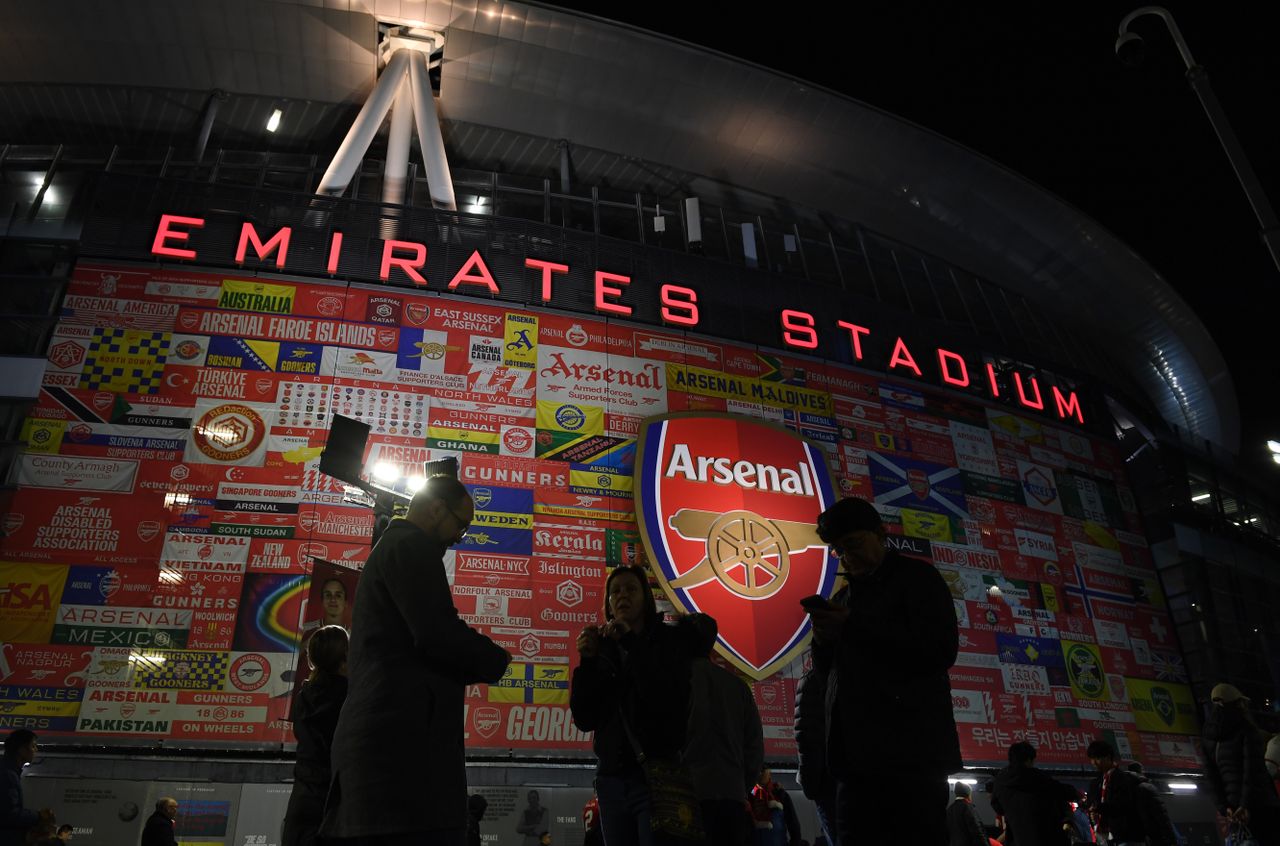
The Emirates Stadium is one of the largest football stadiums in England and is only 20 years old - but Arsenal are set to throw a tonne of money at bringing it up to date nonetheless.
Arsenal made the move from Highbury in 2006, with the Emirates Stadium helping to set the new standard for prestigious new-builds in the 21st century.

But the club are now planning to add around 20,000 seats to its current official 60,704 capacity following their Premier League title triumph - at an estimated cost of around £500m.
Arsenal's £500m Emirates Stadium headache spelt out
Club owner Stan Kroenke recently discussed the planned renovations, saying: “There’s some character that I want to make sure we’re preserving and bringing back to the ground as well. I think we can do that in a very elegant manner that’s really to the benefit of Arsenal.
"We do this stuff in the States in our facilities and our teams. We take great pride in it so I think we have a chance to come over and really give the Arsenal supporters an elevated matchday experience from where they are right now."
No formal permission has yet been granted, but Josh Kroenke has confirmed that talks are underway, led by chief executive Richard Garlick.
With 100,000 fans sitting on a season ticket wait list, Arsenal see the potential expansion as a potentially valuable source of future revenue - but there's more to it than that.
One factor is that what was cutting-edge and innovative in 2006 has now been gazumped by more recent stadium developments - most notably, in this case, Tottenham Hotspur's new stadium less than four miles away. That means there is more competition for alternative uses of the stadium like conferences, combat sports and concerts.
So how do Arsenal solve that, and why is it so expensive? YouTuber Sabrina Builder explains the thinking in an excellent video, detailing why Arsenal's proposed expansion would be estimated to cost even more than the £390m the stadium cost in the first place.
The issue, fundamentally, is that the Emirates Stadium was originally built to fit a very tight and specific floorplan and was never intended to be expanded.
That means it has been constructed with efficiency of space in mind rather than making it easier to redevelop, and adding more seats is the opposite of a trivial job.
As the video outlines, the options are either:
- Add an extra tier on top, which would require a huge amount of structural work and the removal of the roof for construction;
- Lower the pitch into the ground and add extra seats below the current lower tier, which would be extremely tricky due to the tube lines and sewers under the stadium; or
- Change the angle of the seats to make the existing stands steeper and thus create more rows of seating.
However, all three of these options would require Arsenal to improve infrastructure like transport, stadium facilities, and security.
There would also be a lot of political wrangling to do to get Islington council and local community groups on board, which would likely result in Arsenal paying for more local improvements in exchange for getting permission.
Those negotiation around permissions alone has been estimated as potentially being a five-year project before any new cement is even mixed.
Whichever option Arsenal take, they would also be likely to need to find a new home in the meantime. Wembley is the most likely destination, as it was with Tottenham - but that, too, would require a deal to be struck.