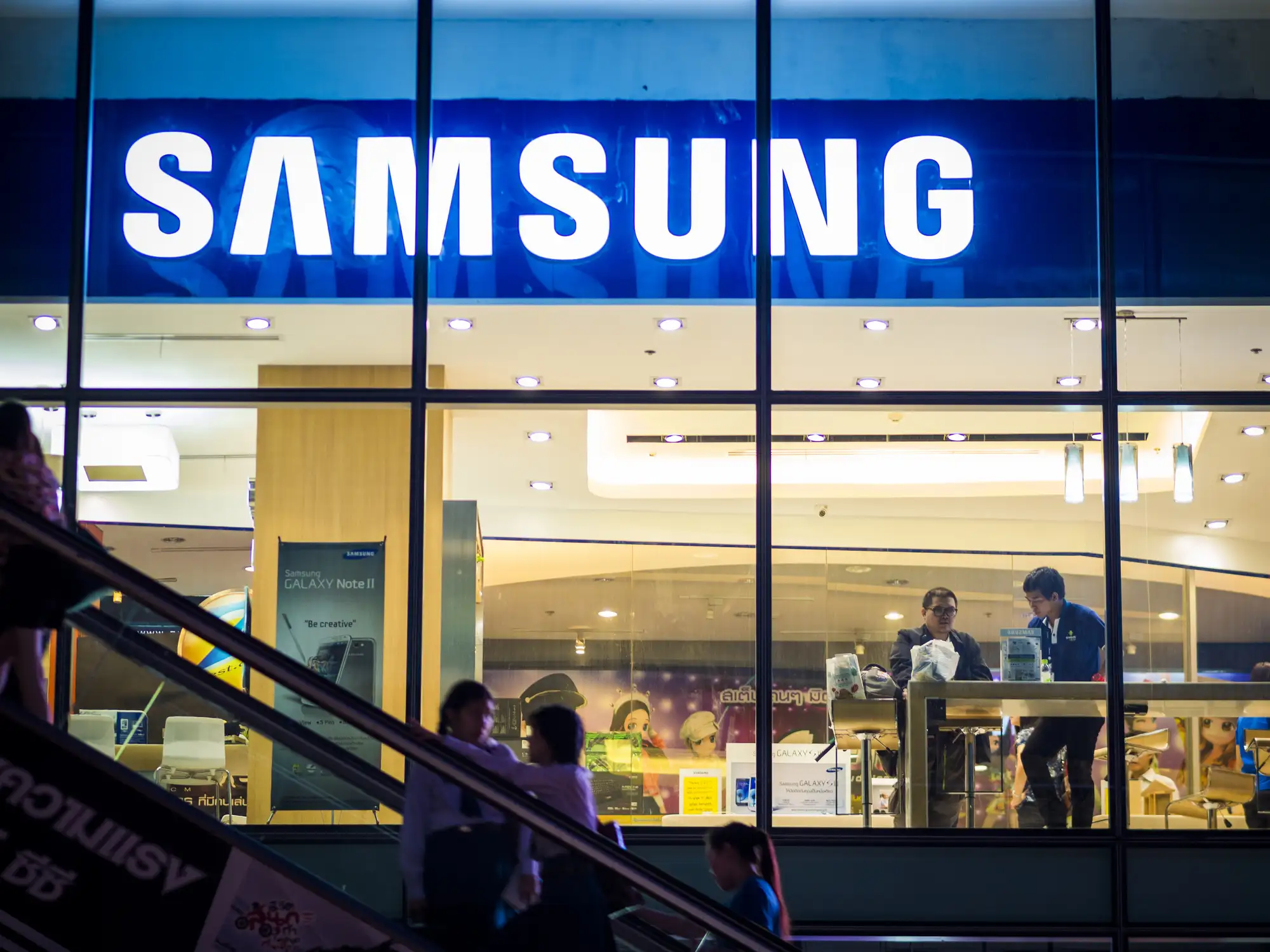
South Korea's benchmark Kospi index surged 7%, or about 500 points, on Wednesday to extend its rally for a second straight session. The gains tracked an overnight rally on Wall Street after softer-than-expected US inflation data boosted investor sentiment, while upbeat analyst commentary on the outlook for AI memory demand provided an additional tailwind.
The positive sentiment spilled over to South Korea's semiconductor sector. Samsung Electronics jumped 8%, while SK Hynix rallied more than 13% and chip equipment maker Hanmi Semiconductor surged about 25%. SK Hynix's newly listed ADRs closed more than 27% higher overnight.

Also read: Korea’s AI stock rout is becoming a lesson in leveraged excess
The momentum also follows a sharp selloff in global IT stocks after IBM CEO Arvind Krishna said the company's guidance miss was largely driven by weakness in its software and infrastructure businesses, as customers redirected spending toward hardware, including memory chips. He also acknowledged that IBM was slow to respond to changing customer priorities, causing several large deals to be delayed beyond expected timelines.
US markets ended higher on Tuesday, with the S&P 500 and the Nasdaq advancing after major banks reported solid quarterly results and inflation came in below expectations. The combination encouraged investors to increase risk exposure despite ongoing tensions in the Middle East.
Resurgence after steep selloff
The rebound follows several weeks of sharp volatility in chip stocks. Investors had grown cautious over the prospect of slower growth in memory earnings, with quarterly price increases expected to moderate in the second half of 2026.
Market participants have also been assessing whether signs of slowing capital expenditure by major US cloud service providers, rising funding requirements and recent multi-billion-dollar capacity expansion plans by memory manufacturers could eventually narrow the supply-demand imbalance that has fuelled the sector's strong rally.
HSBC said in a recent note that improving profitability from AI services should continue to support healthy cloud spending.
Read more: South Korea’s world-beating stocks are now trading cheaper than ever! Time to bulk up?
Positional unwinding, not Kospi valuations?
Goldman Sachs also struck a constructive tone, saying the recent selloff in South Korean semiconductor stocks was exacerbated by the unwinding of positions in newly launched exchange-traded funds (ETFs) heavily concentrated in one or two stocks. The brokerage said the underlying semiconductor cycle remains fundamentally strong.
The impact of leveraged ETFs became particularly evident this week. According to a Goldman Sachs sales and trading desk note for institutional clients, SK Hynix's double-digit decline on Monday may have forced such funds to sell about $5 billion worth of the company's shares to rebalance their portfolios in line with their investment mandates.
South Korea's semiconductor sector continues to be supported by strong long-term demand trends, but excessive leverage has made the market more vulnerable to sharp swings, Bloomberg quoted Hebe Chen, senior market analyst at Vantage Global Prime in Sydney, as saying.
"South Korea's semiconductor story is built on genuine structural demand, but an uncontrolled appetite for leverage has turned it into a far more fragile market trade. The double-edged sword is now cutting the other way, with leverage making the fall every bit as powerful as the climb."
Adding to the longer-term optimism, Reuters reported last week that SK Hynix CEO Kwak Noh-jung expects the global memory industry to face its worst-ever supply shortage in 2027. He said demand is likely to outpace the company's production capacity well beyond 2030 despite aggressive expansion plans.
(Disclaimer: Recommendations, suggestions, views and opinions given by the experts are their own. These do not represent the views of The Economic Times)