Get all your news in one place.
100’s of premium titles.
One app.
Start reading
Budget and the Bees
Budget and the Bees
Latrice Perez

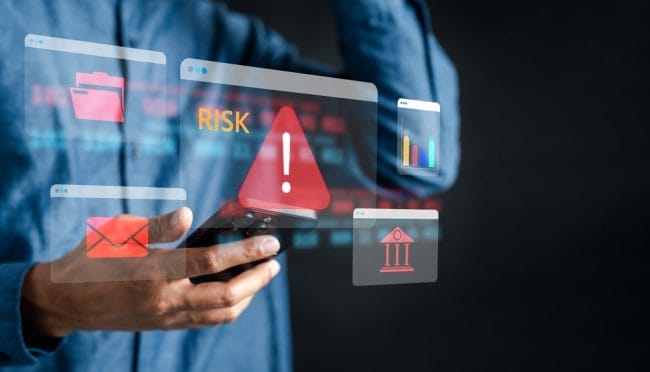
Experts Warn About a Banking Habit That Can Trigger Fraud Alerts

fraud alerts
Image source: shutterstock.com

You are at the grocery store or a gas station when your card is suddenly declined. It is an embarrassing and stressful moment, especially when you know you have the funds. You check your phone and see a text alert from your bank asking you to verify your identity.

It feels like the bank is overstepping, but in 2026, the algorithms that protect your money have become hyper-sensitive. The rise of AI-driven theft has forced financial institutions to look for even the smallest deviations in your behavior. Surprisingly, many of the habits you consider ‘normal’ are exactly what trigger these automated security locks. Today, we reveal the banking habits that could leave you stranded without access to your cash.
1. The Danger of Sudden Large Transfers to P2P Apps

Honestly, using apps like Zelle, Venmo, or Cash App has become second nature for most adults. However, a sudden, high-value transfer to a new contact is a massive red flag for bank security. Scammers often use these peer-to-peer platforms because the money is usually irrevocable once sent.

According to Financial Experts, banks are now pausing transfers that look like ‘Protective Transfer’ scams. This is where a criminal convinces you to move your money to a ‘safe account.’ If you suddenly try to send five thousand dollars to someone you’ve never paid before, the system will likely freeze your account to prevent a total loss. This friction is a hidden safety mechanism, even if it feels like an inconvenience at the moment.

2. Why Traveling Without a Notice is a Risky Move

You might think your bank can track your location through your phone, but that is not always the case for fraud detection. If you live in Georgia but suddenly use your card in a different state or country, the system will often block the transaction immediately. This is especially true for ‘unusual’ merchants like high-end jewelry stores or electronics shops.

On the other hand, the transition to ‘contactless’ payments has made it easier for thieves to use cloned cards in new cities. According to the Farmers & Merchants Bank, smishing and card-shimming are top threats in 2026. Always use your bank’s app to set a travel notice before you leave. This small step tells the algorithm that the change in location is authorized and prevents you from being locked out during your trip.

3. The Risk of Logging In From Public Wi-Fi

Here is the truth: your bank is watching more than just your transactions; it is watching your ‘digital environment.’ If you log into your banking app while connected to a public Wi-Fi network at a coffee shop or airport, you are triggering a risk alert.

Scammers use ‘Man-in-the-Middle’ attacks on these networks to intercept your login credentials. Surprisingly, many banks will now send an immediate verification code or even block access if they detect an unsecure connection. According to The Payments Association, behavioral biometrics now track how you navigate an app. If your typing speed or navigation style changes while on a public network, the system assumes a bot has taken over. You should always use a cellular connection or a VPN for sensitive financial tasks.

Maintaining Authority Over Your Bank Account

The goal of these fraud alerts is to keep your money safe, but you must know how to work with the system. You deserve to have seamless access to your funds, but the reality of 2026 requires a more proactive approach. You should enable real-time notifications for every transaction so you can spot issues before they escalate.

If your card is declined, do not panic; simply follow the prompts in your official app to verify the purchase. Never provide information to a ‘bank agent’ who calls or texts you out of the blue. It is time to treat your banking habits with the same security mindset you use for your home. You are not being targeted by your bank; you are being protected by a system that is struggling to keep up with modern criminals.

Have you ever had your bank account frozen for a transaction you actually authorized? Leave a comment below and share how you resolved it.

What to Read Next…

The post Experts Warn About a Banking Habit That Can Trigger Fraud Alerts appeared first on Budget and the Bees.

Sign up to read this article
Read news from 100’s of titles, curated specifically for you.
Already a member? Sign in here
Related Stories
Top stories on inkl right now
One subscription that gives you access to news from hundreds of sites
Already a member? Sign in here
Our Picks
Fourteen days free
Download the app
One app. One membership.
100+ trusted global sources.