
Get all your news in one place.
100’s of premium titles.
One app.
Start reading
Frugal Gardening
Frugal Gardening
Brandon Marcus

Experts Say This “Zero-Waste” Garden Hack Is Spreading Root Rot

Image source: Pexels.com

A garden can look lush and thriving on the surface while rot creeps through the roots below. That uncomfortable truth sits at the heart of a trendy “zero-waste” gardening trick that continues to gain traction across social media feeds and backyard fences alike.

The hack sounds harmless, even virtuous. Take kitchen scraps, especially vegetable peels and fruit rinds, and bury them directly into garden beds or potted plants to “feed” the soil. Skip the compost bin. Skip the landfill. Feed the earth right where plants grow. Sustainability meets simplicity.

Experts in soil science and plant pathology, however, have raised serious concerns. They warn that this well-meaning shortcut often creates the exact conditions that root rot pathogens love most: dense, oxygen-poor, overly moist soil.

When Good Intentions Turn Into Waterlogged Soil

Zero-waste gardening resonates for a reason. Food waste makes up a significant portion of household trash, and composting offers a responsible way to recycle nutrients. The problem starts when gardeners confuse composting with burying fresh scraps in active planting beds.

Fresh organic matter does not transform into rich humus overnight. Microorganisms must break it down, and that decomposition process demands oxygen. When someone buries thick layers of raw kitchen waste under the soil surface, microbes begin to work aggressively, consuming oxygen in the surrounding soil as they decompose the material.

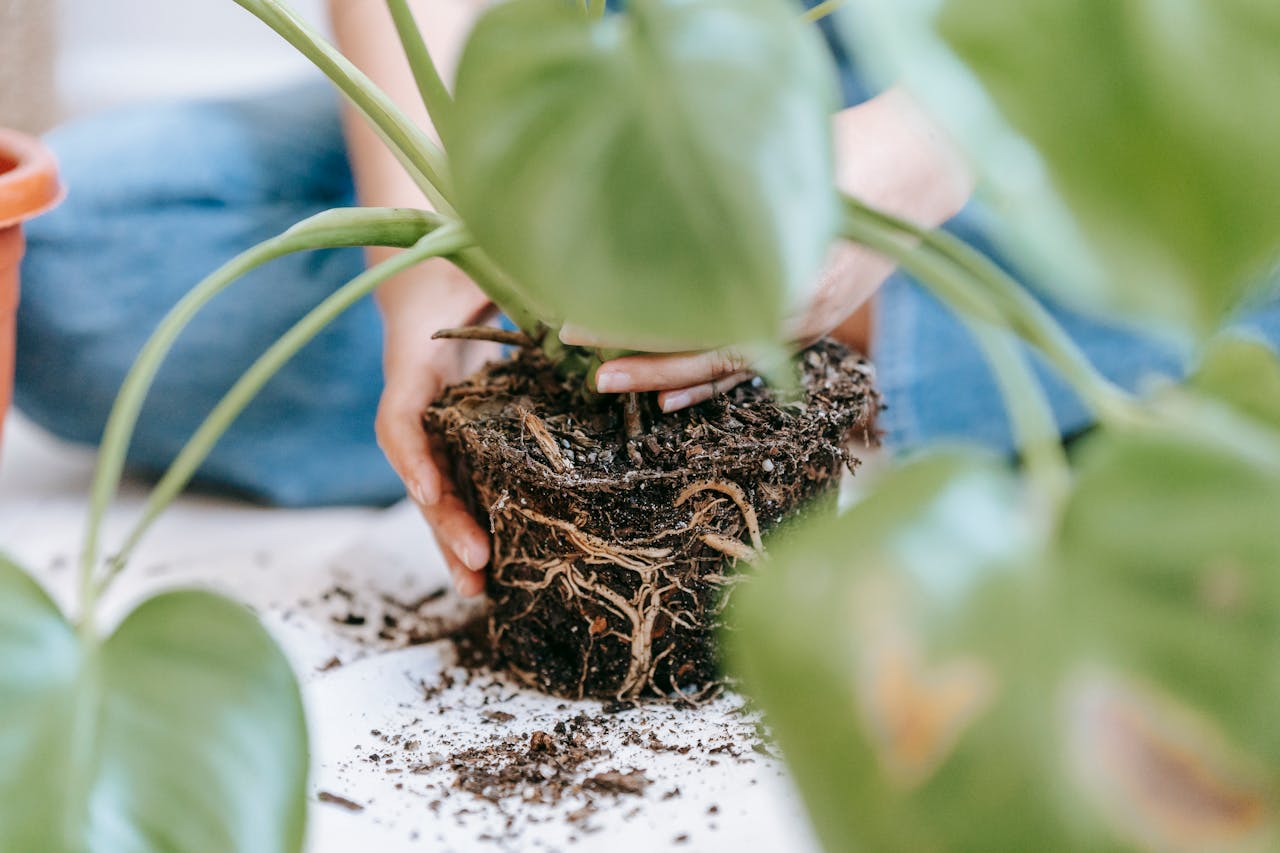
That oxygen loss matters. Plant roots require air pockets in soil to breathe and function. Without sufficient oxygen, roots weaken, beneficial microbes decline, and harmful organisms gain ground. Water lingers in compacted, oxygen-poor soil, and suddenly the environment favors fungal pathogens rather than healthy growth.

Gardeners often misread early warning signs. Leaves droop, yellow, or wilt. Many assume plants need more water or more nutrients, so they double down on care. In reality, those symptoms often signal suffocation below ground.

The Science Behind Root Rot and Why It Thrives in Scrap-Filled Beds

Root rot does not describe a single disease but rather a condition caused by several soilborne pathogens. Species of Phytophthora and Pythium, among others, attack stressed roots in overly wet soil. These organisms spread quickly in saturated conditions, and they destroy root tissue that already struggles for oxygen.

Healthy soil contains a balance of air, water, minerals, and organic matter. When someone buries a dense layer of food scraps, especially in heavy clay or poorly draining soil, the structure shifts. Water drains more slowly. Air circulation declines. Microbial activity spikes as decomposition ramps up. All those factors combine into a perfect storm.

Experts recommend fully composting food waste in a managed pile or bin, where heat and airflow allow safe, balanced breakdown. Finished compost looks dark, crumbly, and earthy, not slimy or sour. That finished product integrates smoothly into garden beds without disrupting oxygen flow.

Gardeners who ignore that distinction often face disappointing results. Plants that once thrived begin to stagnate. New growth stalls. Roots turn brown and mushy instead of firm and white. Once rot takes hold, recovery requires quick action and sometimes complete replacement of affected plants.

Not All Organic Matter Works the Same Way

Some gardening advice blurs important lines. Leaves, shredded bark, and aged compost behave very differently from fresh melon rinds or thick potato peels. Dry, carbon-rich materials like shredded leaves break down slowly and help improve soil structure over time. Fresh, water-heavy scraps decompose rapidly and release moisture as they break down.

That extra moisture often accumulates exactly where roots grow. In raised beds or containers without excellent drainage, the risk climbs even higher. Container gardens, in particular, leave little margin for error. A small pot with buried food scraps can stay wet for days longer than intended.

Mulching with stable materials, such as straw or shredded bark, helps regulate temperature and conserve moisture without suffocating roots. Fully finished compost enriches soil and supports microbial life without triggering oxygen depletion. The distinction lies not in whether organic matter helps plants, but in whether it has already undergone proper decomposition.

How to Protect Plants From Root Rot Before It Starts

Prevention always beats treatment when it comes to root rot. Healthy roots anchor strong plants, and strong plants resist disease more effectively. Gardeners can take several practical steps to reduce risk while maintaining eco-friendly habits.

First, test soil drainage. Dig a small hole about a foot deep and fill it with water. If the water drains within a few hours, drainage likely supports healthy roots. If water lingers overnight, the soil may require amendment or raised beds to improve aeration.

Second, incorporate only fully composted organic matter into planting areas. Compost should smell earthy and pleasant, never sour or rotten. A finished compost pile heats up during active breakdown and then cools as materials stabilize. That transformation signals readiness for garden use.

Third, avoid overwatering. Many plants suffer more from excess water than from brief dry spells. Check soil moisture a few inches below the surface before watering again. In containers, ensure that drainage holes remain clear and that excess water escapes freely.

If root rot already appears, act quickly. Remove affected plants from soggy soil, trim away damaged roots with clean tools, and replant in fresh, well-draining mix. In severe cases, discard infected soil to prevent pathogen spread. Fungicides may offer limited help, but soil management and drainage improvements matter far more.

Image source: Unsplash.com

Sustainability Without Sacrificing Soil Health

Zero-waste gardening carries genuine value. Reducing landfill waste and recycling nutrients support both environmental goals and long-term soil health. However, sustainability never thrives on shortcuts that ignore plant biology.

Thoughtful gardeners recognize that soil operates as a living ecosystem. It contains bacteria, fungi, insects, and microscopic organisms that interact constantly. When fresh food scraps disrupt that balance, even with good intentions, problems follow.

Garden trends often spread quickly because they promise easy solutions. The buried-scrap hack gained popularity through short videos and enthusiastic testimonials, yet soil science continues to tell a more nuanced story. Plants thrive in well-aerated, balanced environments. They falter in compacted, oxygen-starved conditions.

Healthy Roots, Smarter Choices

Gardens reward attention to detail. Fresh kitchen scraps belong in a managed compost system, not in the root zone of living plants. Strong soil structure, proper drainage, and fully finished compost create the foundation that keeps rot at bay.

Anyone aiming to cut waste can still succeed without risking plant health. Start a compost bin, explore local compost services, shred leaves for mulch, and monitor watering habits closely. Small adjustments protect roots and keep sustainability efforts on track.

Zero-waste living should support life, not unintentionally undermine it. What changes will might make your garden both greener and healthier this season? It’s time to talk about it in the comments section below.

You May Also Like…

These 10 Garden Hacks Are Going Viral — But Experts Say Some Are Ruining Soil Health

The Winter Vegetable Garden Hack That Southern Gardeners Swear By

This Winter Gardening Habit Is Spreading Mold and Root Rot, Experts Warn

The Watering Technique That Prevents Root Rot

Why Tilling Is Secretly Destroying Your Soil Health In 2026

The post Experts Say This “Zero-Waste” Garden Hack Is Spreading Root Rot appeared first on Frugal Gardening.

Sign up to read this article
Read news from 100’s of titles, curated specifically for you.
Already a member? Sign in here
Related Stories
Top stories on inkl right now
One subscription that gives you access to news from hundreds of sites
Already a member? Sign in here
Our Picks
Fourteen days free
Download the app
One app. One membership.
100+ trusted global sources.