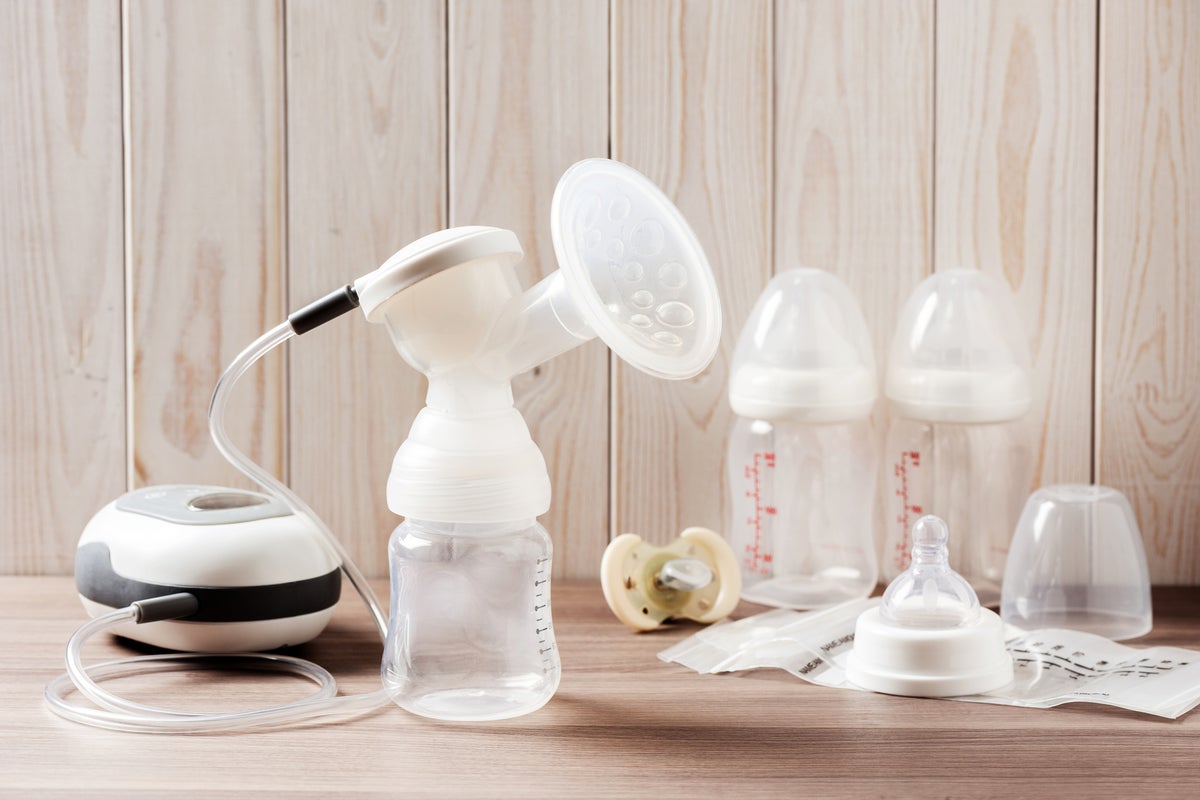
When it comes to feeding your baby, a breast pump can be a real lifesaver. However, keeping your pump clean and well maintained is just as important as using it correctly.
Because pump parts come into contact with breast milk, proper hygiene helps reduce the risk of contamination and ensures your equipment continues to work as intended. From knowing which components need cleaning after every use to understanding when parts should be replaced, there are a few simple steps that can make a big difference.

To find out exactly what you should be doing, I spoke to two experts: Sharon Berger, an International Board certified lactation consultant and obstetric registered nurse, plus Marlène Barthelme, founder and editor of family health and wellness website Famtastique, to find out what you need to know about cleaning, storing and maintaining your breast pump.
Read more: Best baby monitors 2026 for safer sleep and easier nights
How to clean your breast pump
“The pump itself should just be wiped down when it's dirty,” Berger says. In line with NHS hygiene advice, the motor unit should not usually be immersed in water and can be cleaned with a damp cloth according to the manufacturer's instructions.
However, Berger adds that anything that comes into direct contact with milk should be washed after every use. This includes breast shields, valves, membranes, connectors and collection bottles. The NHS also recommends washing your hands before handling pump equipment, taking the pump apart completely after use, and washing all milk-contact parts in hot, soapy water or in a dishwasher if they are dishwasher-safe. Parts should then be rinsed thoroughly and left to air dry completely before being reassembled or stored.
“Suction tubing should not be washed, since it will take a long time for the inside of the tubes to dry, and getting moisture into the pump is a no-no,” Berger continues. While this is true for many breast pumps, parents should always follow the manufacturer's instructions, as guidance can vary between open and closed-system pumps.
How to store your breast pump
While she notes studies on breast pump contamination remain limited, Barthelme says that once air dried, storing pump compartments in a “closed, clean container” helps reduce the risk of environmental contamination.
This approach aligns with good hygiene practice. The NHS recommends ensuring all pump parts are completely dry before storage, as bacteria can grow more easily in damp environments. Once dry, pump components should be stored in a clean, covered container or sealed storage bag and kept away from potential sources of contamination, such as kitchen splashes, pet hair or dust. The pump motor should also be stored in a clean, dry place.
How often should you replace your breast pump?
Berger states that silicone parts like valves and membranes should be replaced periodically as they wear out over time, which can affect suction strength. For people who are pumping daily, parts should be replaced every month or so.
In practice, replacement schedules vary depending on the pump model and how frequently it is used. Parents should check the manufacturer's guidance, but worn silicone components are among the most common causes of reduced suction. Signs that parts may need replacing include visible cracks, tears, stretching, discolouration or a noticeable drop in pump performance. For frequent pump users, valves and membranes may need replacing every one to three months, while occasional users may find they last considerably longer.
Best breast pumps
Lola&Lykke smart electric breast pump
Rating: 4.5/5
Dishwasher-safe: No
Hands-free: No
Why we love it
- Super comfortable
- Easy to set up
- Quiet
Take note
- Heavier than some other options
Lola&Lykke was chosen as the best overall buy in our review of the best breast pumps.
During her review, Rebecca Moore noted how silent the pump is. “Another highlight, and fundamental for expressing success, is the premium comfort,” she wrote. “The ultra-soft breast shield mimics baby’s natural sucking pattern, and I found the whole experience super efficient. The smart touch-screen technology is not only clear to view and easy to use, it also features a memory button and timer for easy tracking and recording your pumping sessions, helping you to establish a routine, if you want to.”
Buy now £145, Lolalykke.com
Medela harmony flex manual breast pump
Rating: 4/5
Dishwasher-safe: No
Hands-free: No
Why we love it
- Super lightweight
- Comfortable
Take note
- Bottle doesn’t come with teat
- Trickier to clean than some other options
For a budget-friendly option, the Medela harmony flex manual breast pump seriously impressed reviewer Rebecca Moore. She wrote: “I believe there is still a place for manual breast pumps, and this example from Medela is the best I’ve found. While the significant reduction in price is appealing, there’s also lots to love about a manual option, including eradicating any battery fear.”
She noted how lightweight it felt (weighing just over 100g), making it ideal for keeping in your changing bag or taking away on holiday.
Buy now £21.25, Medela.co.uk
Medela freestyle hands-free double electric wearable breast pump
Rating: 4/5
Dishwasher-safe: Yes
Hands-free: Yes
Why we love it
- Easy to clean
- Easy to use
- Premium comfort
Take note
- A bit noisy
- Pricey
“If there’s one brand synonymous with breastfeeding, it’s Medela,” writes reviewer Rebecca Moore. When testing the freestyle hands-free double electric wearable breast pump, she noted its “intuitive” assembly.
“With this being a double pump, I certainly found I collected more milk compared with a single pump, but found it a similar volume compared with other double breast pumps,” she added. “I found the battery life reliable, and easy to charge via USB, but it is a little noisier than other breast pumps I tested. The technology is undeniable, though – there’s even an app that tracks how much you’ve pumped and how long for, making it easy to keep track.”
Buy now £254.99, Medela.co.uk
Meet the experts
- Sharon Berger: International Board certified lactation consultant and obstetric RN
- Marlène Barthelme: Founder and editor of Famtastique
Ensure your mini passenger is safe while on the road with our round-up of the best baby car mirrors