The holidays arrive with twinkling lights, cheerful playlists, and a sneaky talent for draining bank accounts while everyone’s too busy laughing to notice. One moment you’re sipping cocoa and feeling festive, the next you’re wondering how your credit card learned to scream. The danger isn’t usually one massive purchase—it’s the tiny, cheerful decisions that quietly stack up while you’re distracted by tinsel and tradition. These habits feel harmless, even joyful, which is exactly why they get away with it.
Let’s pull back the wrapping paper and expose the sneaky spending behaviors that quietly turn holiday magic into January regret.
1. Treating “Limited-Time” Deals Like Emergencies
Holiday sales create urgency that makes even rational shoppers feel like they’re defusing a bomb. Flash sales and countdown clocks push people to buy first and think later. Many of these deals repeat every year or reappear online days later. The illusion of scarcity tricks the brain into equating speed with savings. Before clicking “buy now,” ask whether the item would still matter in February.
2. Over-Gifting Out Of Social Pressure
Holiday generosity often becomes competitive without anyone admitting it. People spend more to avoid seeming cheap, even when budgets quietly protest. This pressure intensifies with extended family, coworkers, or gift exchanges that grow out of control. Thoughtful doesn’t have to mean expensive, but social anxiety often rewrites that rule. When gifting becomes performance art, wallets pay the price.
3. Upgrading Traditions Just Because
Every year seems to demand a “better” version of last year’s celebration. Fancier decorations, upgraded meals, and more elaborate outings creep in under the guise of tradition. What once felt special can morph into an expectation that costs more annually. The emotional attachment makes downsizing feel like failure. In reality, nostalgia doesn’t require new receipts.
4. Holiday Travel Creep
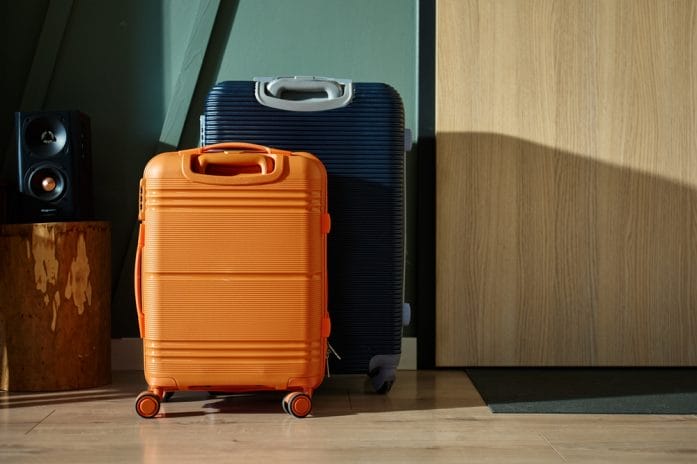
Travel costs rarely stop at tickets or gas. There are baggage fees, meals on the road, impulse souvenirs, and “might as well” upgrades. Holiday timing often means peak pricing, even for basic accommodations. Because travel feels non-negotiable, people accept inflated costs without questioning alternatives. Convenience becomes the most expensive souvenir of all.
5. Overdoing Seasonal Food And Drink
Holiday food spending rarely shows up as one big splurge—it sneaks in through constant indulgence. Specialty ingredients, party snacks, festive drinks, and spontaneous desserts quietly stack receipts. Hosting or attending multiple gatherings multiplies the effect. Because food feels temporary, the spending rarely triggers alarms. The fridge gets fuller while the budget gets emptier.
6. Decorating Like It’s A Competition
Seasonal décor has evolved from a few lights to full-blown visual productions. New themes, trends, and color palettes tempt shoppers to replace perfectly good decorations. Social media fuels the urge to outdo last year’s look. Small décor purchases add up faster than expected. The house may sparkle, but the credit card statement glows brighter.
7. Convenience Spending During Busy Weeks
The holidays shrink time while expanding to-do lists. Delivery fees, ride shares, express shipping, and pre-made meals feel like lifesavers. Each convenience charge seems minor, but together they form a quiet financial ambush. Stress makes spending feel justified and necessary. Convenience doesn’t just save time—it quietly sells comfort at a premium.
8. Emotional Spending To Chase The Holiday Feeling
Holidays carry emotional weight, and spending often becomes a shortcut to joy. Buying things can feel like buying happiness, comfort, or nostalgia. When emotions run high, logic takes a back seat. Retail therapy disguises itself as self-care during the season. Unfortunately, the emotional high usually fades faster than the bill.
9. Forgetting The Post-Holiday Reality
Holiday spending often ignores future consequences. January bills, credit card interest, and budget resets feel far away in December. The disconnect between present joy and future stress fuels overspending. Many people underestimate how long it takes to recover financially. The holidays may end quickly, but the financial echo can linger for months.
The Real Cost Of Holiday Cheer
The holidays aren’t the villain—unexamined habits are. Small choices repeated often can quietly reshape your financial landscape without you noticing until the confetti settles. Awareness doesn’t mean eliminating joy; it means choosing it intentionally. When you recognize these patterns, you gain control instead of guilt.
Drop your thoughts, experiences, or lessons learned in the comments below and let the conversation continue.
You May Also Like…
Debt Alert: 6 Ways Holiday Spending Could Trigger a January Credit Score Crisis
6 Sneaky Financial Risks Hiding in Holiday Spending
Holiday Budget: 6 Moves That Protect Your Financial New Year
5 Budgeting Tools That Trick You Into Higher Spending
Holiday Debt: 9 Warning Signs Your Spending Is Already Off Track
The post Expense Alert: 9 Holiday Habits That Inflate Budgets Quietly appeared first on The Free Financial Advisor.