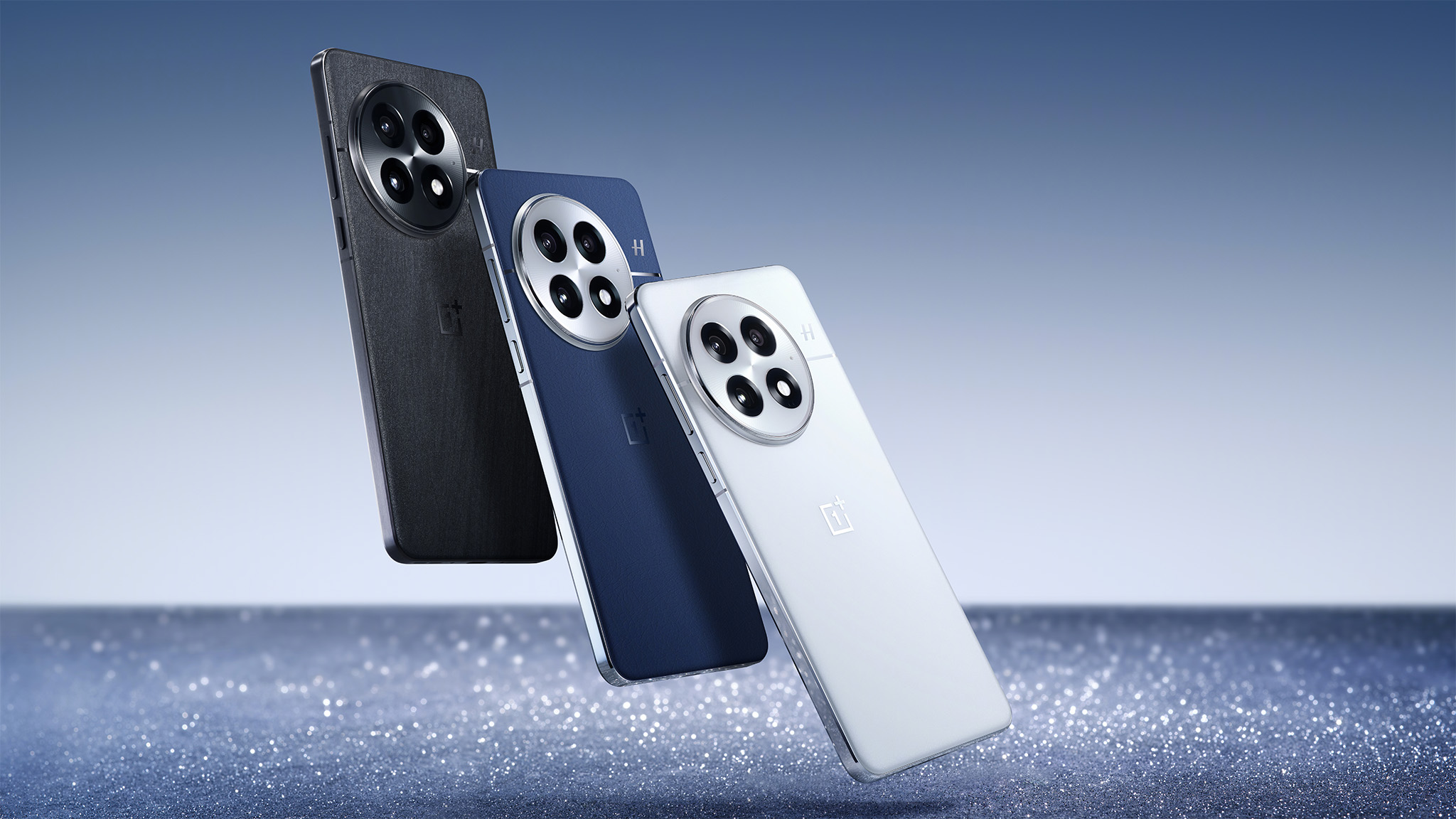
Starting with the OnePlus 3, OnePlus maintained a consistent design language. While the design of each subsequent phone changed, the overall aesthetic remained largely the same, with smooth curves and rounded edges characterized by a great in-hand feel. It's this familiarity combined with an obsessive focus on design that made using OnePlus phones enjoyable over the years.
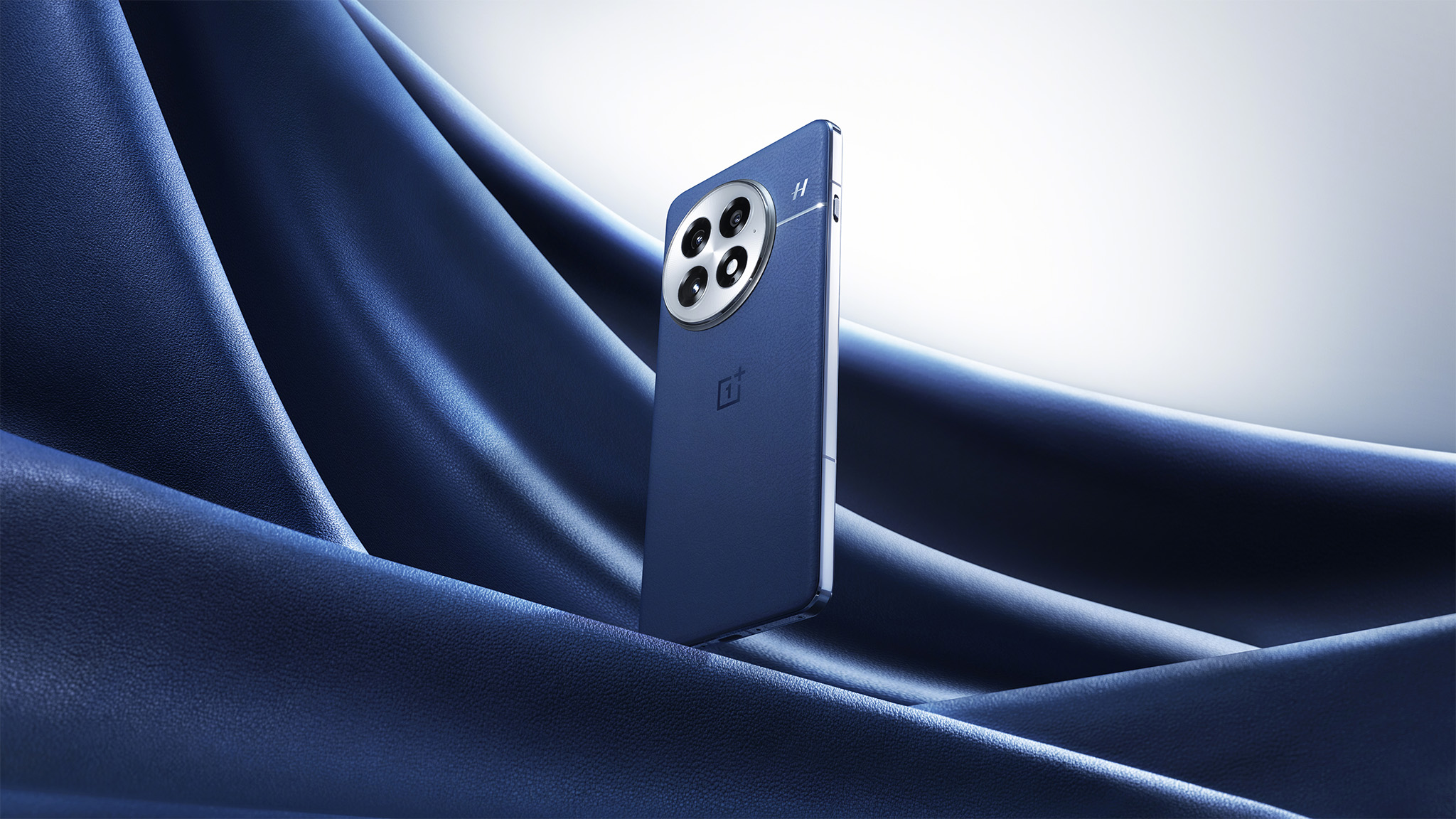
After a decade, OnePlus is overhauling its design ethos with the OnePlus 13. Similar to most phones available today, the OnePlus 13 switches a boxier design, eschewing the flowing elegance of previous models. That said, the device comes with a vegan leather back (if you're getting the Midnight Ocean variant), and it looks highly interesting.
Ahead of the global launch, I talked to Ryan Ruan, head of OnePlus's Industrial Design Center, to get a better sense of the OnePlus 13's design and battery tech, and what the manufacturer is doing differently this time. The obvious starting point was the move to flat sides, and why OnePlus decided to alter the design. Ruan noted that OnePlus's design team "worked hard to make OnePlus 13 feel better in your hand than any other phone," investing a "significant amount of time in refining the transition between the front and back glass and the straight-edged frame" to deliver better durability and a device that still looks elegant.
Because OnePlus phones had dual-curved edges in the past, there was an increased chance of damage to the front or rear panes of glass if the device took a tumble and landed on an edge. Ruan said this was a point of contention with its users, and that OnePlus has been "continuously discussing and validating how to ensure a smooth overall curvature connection without compromising the device's drop resistance."