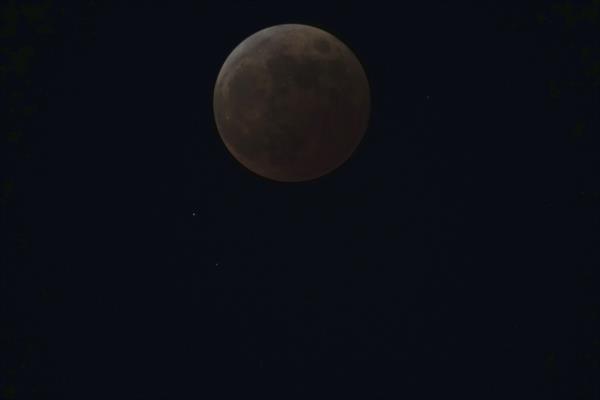
As we usher in the new year, the cosmos is gearing up to offer a series of celestial events that promise to captivate skywatchers around the world. While the total solar eclipse that enthralled North America last year won't be making a return until 2026, there are plenty of other astronomical wonders to look forward to in 2025.
Eclipses
In March, a lunar eclipse will grace the skies over North and South America, followed by a partial solar eclipse visible from various regions including Maine, Europe, and Africa. September will bring another total lunar eclipse and a partial solar eclipse, offering sky enthusiasts a chance to witness these mesmerizing phenomena.
Supermoons
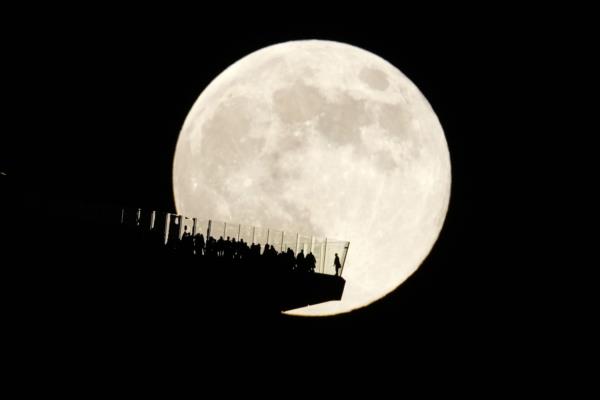
Three supermoons are set to illuminate the night sky in October, November, and December, with the November supermoon making its closest approach to Earth. These celestial events will provide stunning views of the full moon shining brighter and larger than usual.
Planet Parade
In January, six of the seven neighboring planets will align in a striking display visible to the naked eye after sunset. This planetary parade will continue into February, with Mercury making a special appearance. Sky gazers are encouraged to observe this rare celestial alignment while it lasts.
Northern and Southern Lights
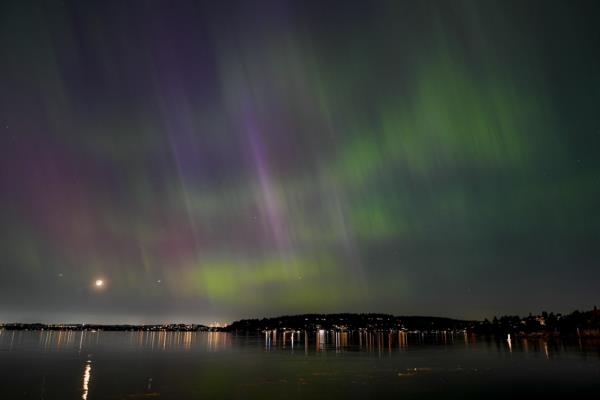
Following last year's impressive auroras, space weather forecasters predict more geomagnetic storms that could produce dazzling displays of northern and southern lights. With the sun reaching its solar maximum, skywatchers are advised to stay informed about space weather updates to catch these breathtaking shows.
Meteor Showers
From the perennial favorites like the Perseids and Geminids to lesser-known showers like the Lyrids, Orionids, and Leonids, meteor enthusiasts have a variety of celestial events to look forward to throughout the year. The key to optimal viewing is finding a dark location with minimal moonlight interference.
As we embark on a new year filled with celestial wonders, the stage is set for a year of astronomical delights that will inspire awe and wonder among stargazers worldwide.