
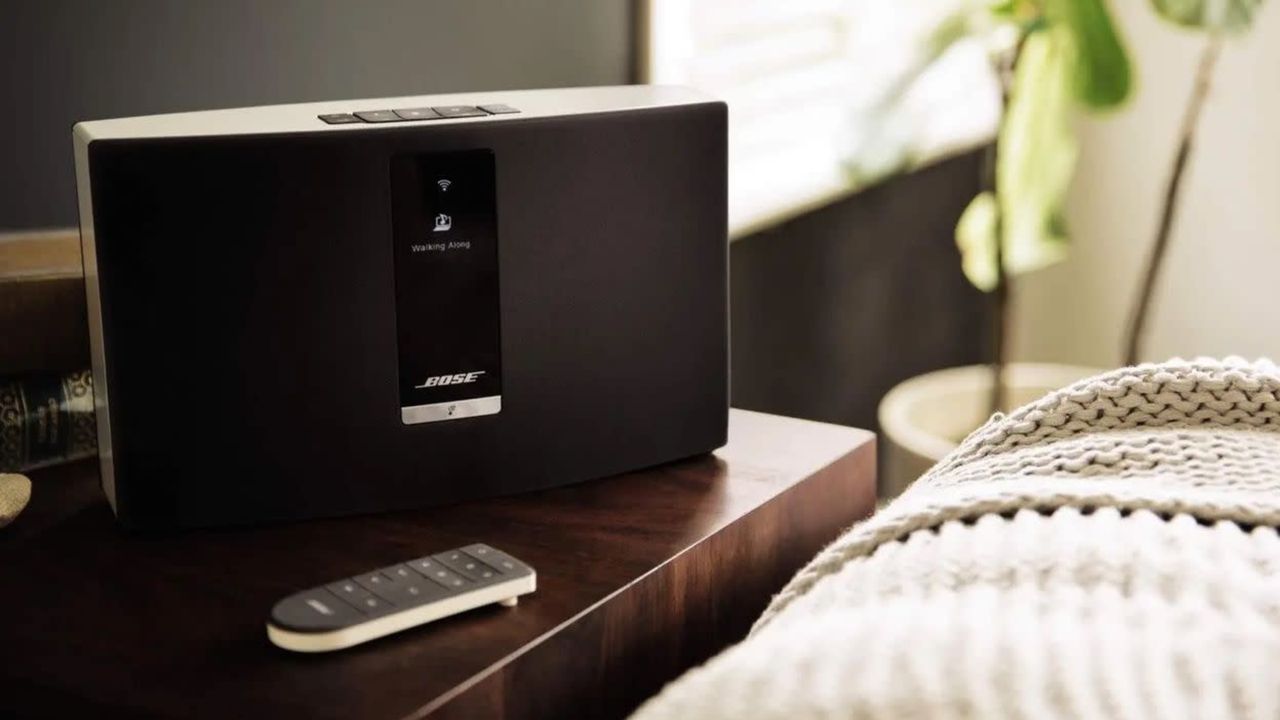
When you buy a smart home device that relies on an internet connection or cloud servers for functionality, a clock starts ticking. These devices will not work forever, because eventually, the companies that made them will decide to no longer support them. Some smart home and Internet-of-Things gadgets last much longer than expect, while others will be shuttered far earlier than customers predicted.
Internet-connected devices will be discontinued at some point — this is inevitable. What happens after is uncertain. Some brands leave customers high and dry with bricked hardware and others offer refunds or store credit to allow customers to upgrade to newer (supported) models.
The best option, though, is for smart home brands to open-source the software powering discontinued hardware. This route allows the community to step in and keep their smart home gizmos running forever. After software is open-sourced, users can self-host their smart home servers, tap into platforms like Home Assistant, and leverage community projects to keep hardware out of the landfill.
A few months ago, Bose announced that its SoundTouch speakers were entering their end-of-life stage, and would stop receiving official support in February 2026. What happened next is a case study in how smart home companies should work with their customers to thoughtfully sunset products when they can't be supported anymore.
Bose got it wrong, then made it right
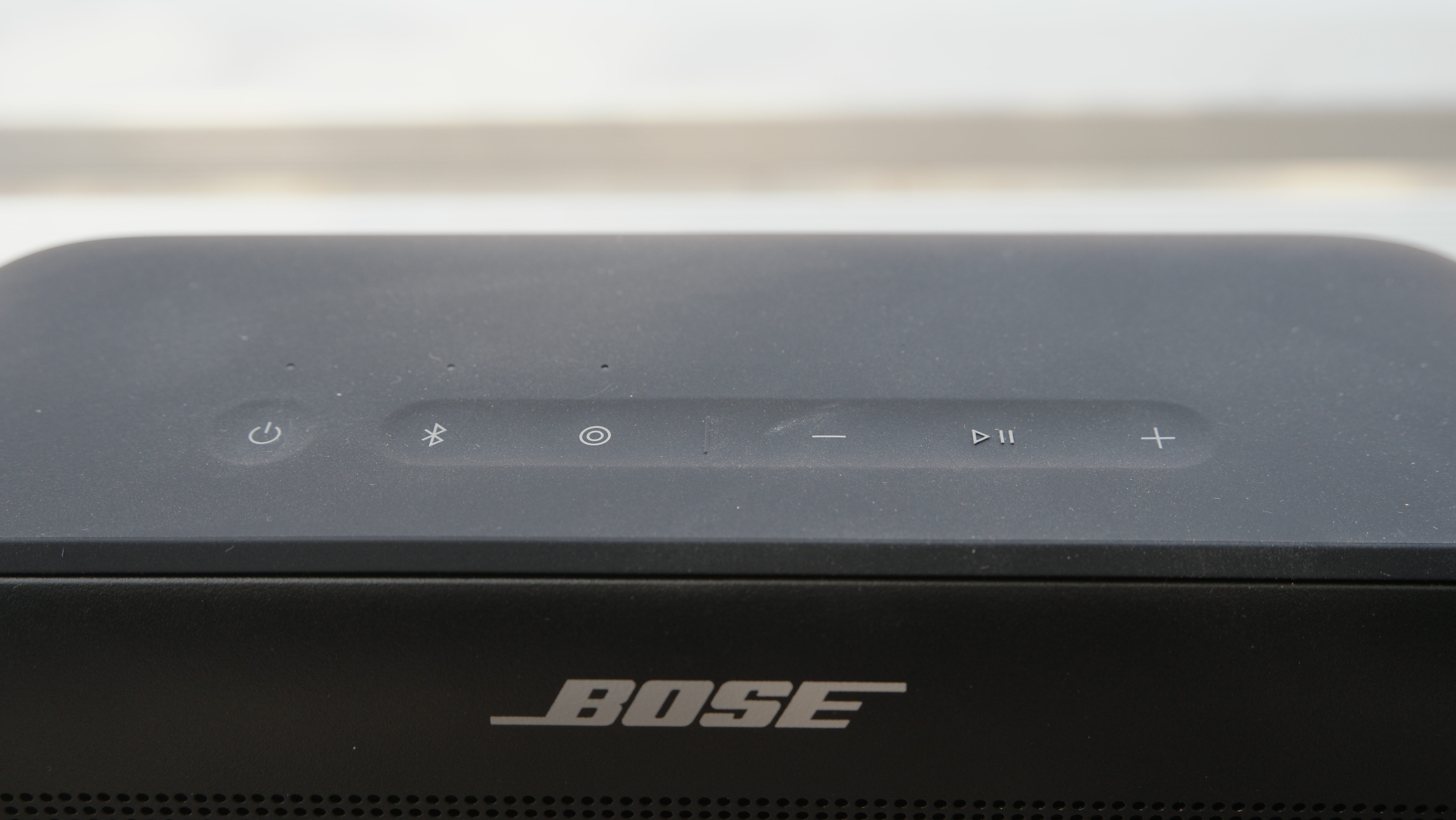
Speakers should theoretically last forever, but once smart functionality is in the mix, you can't take anything for granted. Bose's SoundTouch lineup of home theater speakers and soundbars were "smart" and used cloud-based features for music playback and multi-room listening. They were also expensive, with some models costing well over $1,000.
In its initial October 2025 announcement, Bose said that beginning Feb. 18, 2026, it would discontinue cloud support for all SoundTouch products. The hardware would no longer receive security updates, the app would shut down, and Spotify/TuneIn integration and multi-room playback would disappear.
Understandably, this wasn't received well by users, who expressed outrage on Reddit over their smart speakers turning into dumb speakers. According to the original plan, SoundTouch speakers could continue playing music over Bluetooth, Aux, or HDMI, but that was it.
Bose ending cloud support for Soundtouch from r/bose
Don't let anyone tell you collective outrage doesn't work, because Bose changed its tune last week in response to the customer complaints. The company's updated email to customers said that Bose has "been listening carefully" to SoundTouch owners and is making changes accordingly.
Specifically, the cloud support shutdown date has been extended to May 6, 2026, the SoundTouch app will remain available for local control post-shutdown, and the SoundTouch API will be open-sourced for the community.
This is about as big of a win as Bose SoundTouch users could've imagined. Cloud support is still going away, but AirPlay and Spotify Connect "should continue to function," according to the company. When the cloud servers shut down, the SoundTouch app will be updated to a local version allowing users to set up, configure, remotely control, and group systems.
While some features, like cloud music services and presets, will be discontinued in May, they may not be gone for long. Bose's consumer-friendly decision to open-source the SoundTouch software gives the community a chance to bring lost features back.
Open-sourcing smart home products is a win for everyone
Open-sourcing the SoundTouch software always seemed like the best option for Bose. It benefits everyone. Bose can safely shut down the cloud infrastructure powering SoundTouch systems, putting that resources toward newer product lines. Meanwhile, consumers can continue to use most of their speakers' functionality, and the open-source community can help them regain — or even surpass — the lost features.
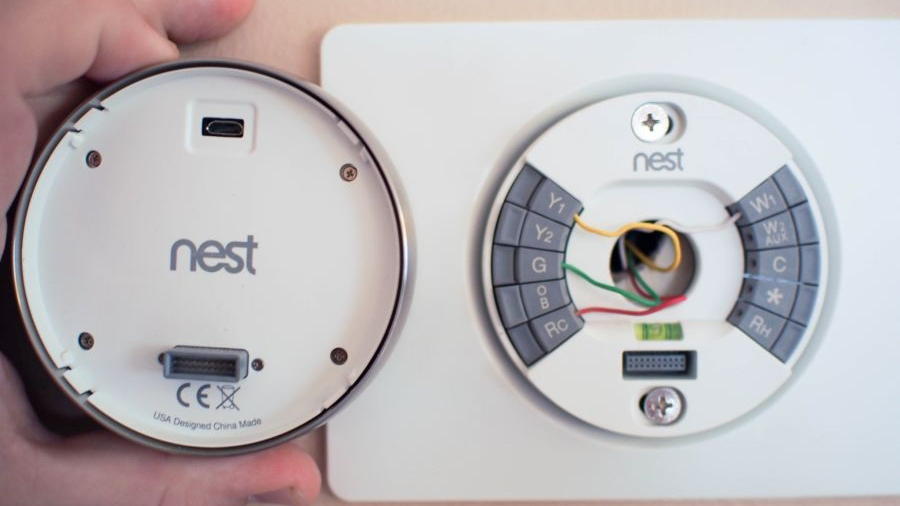
This is quite the opposite of how other companies have handled sunsetting older hardware. Last year, Google dropped support for the first and second-generation Nest Learning Thermostat models. This effectively killed their most useful features, reducing them to "dumb" thermostats. Sounds familiar, right? It's a similar start to Bose's handling of SoundTouch speakers.
Except Google only offered owners of affected Nest Learning Thermostats $130 off the price of a new fourth-generation model. It didn't make an effort to restore basic functionality or open-source the software for the community.
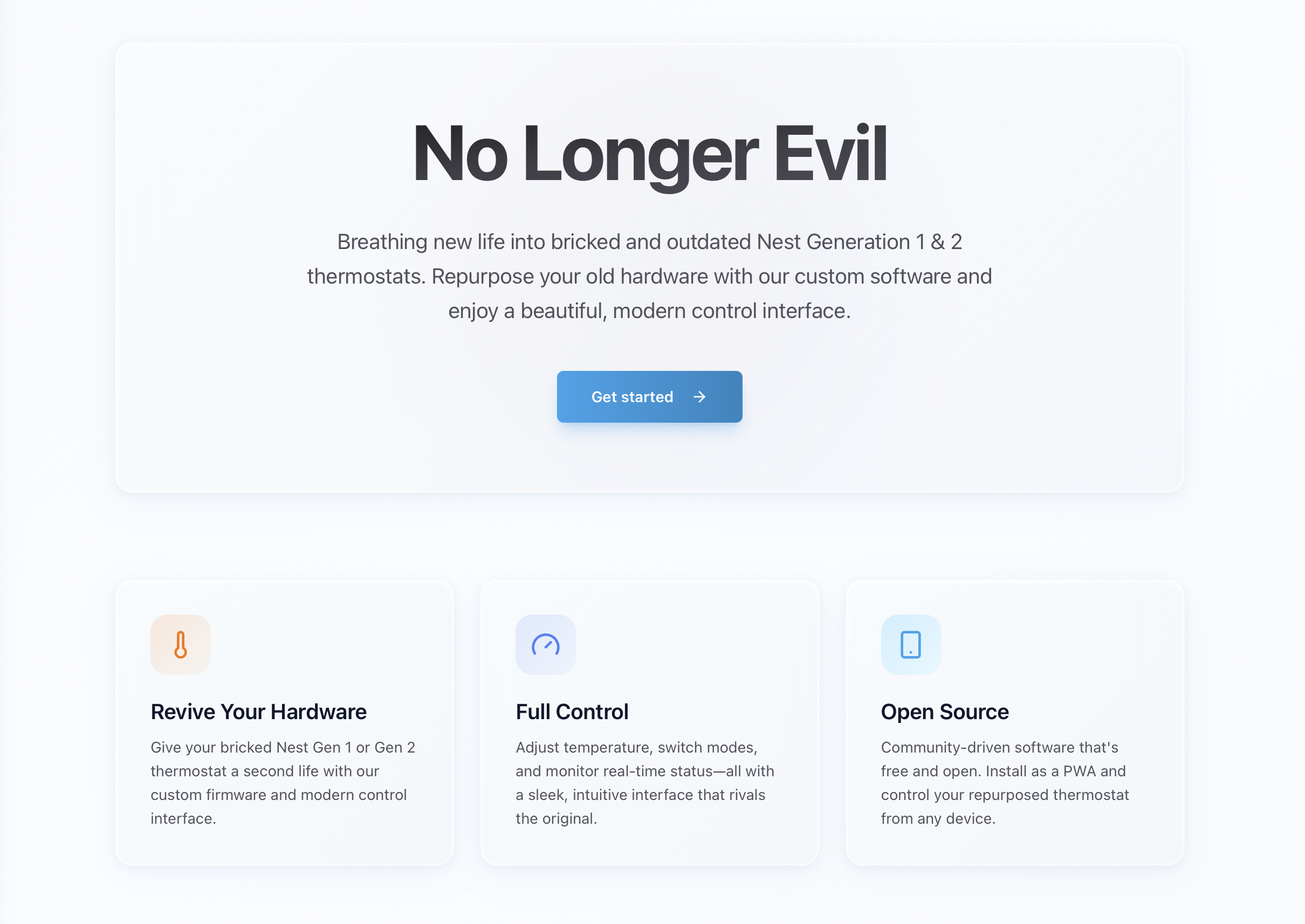
As it often does, the open-source community found a way regardless. One developer Cody Kociemba, reverse-engineered the Nest API to restore certain Nest Learning Thermostat features in a project called NoLongerEvil Thermostat.
The end result is arguably the same — both Bose and Google Nest users have a makeshift solution to keep their devices running for longer — but the public perception is different. Bose seems receptive to feedback and acts like it cares about its customers, while Google's path feels more anti-consumer.
The major players like Google, Amazon, and Samsung should take notes
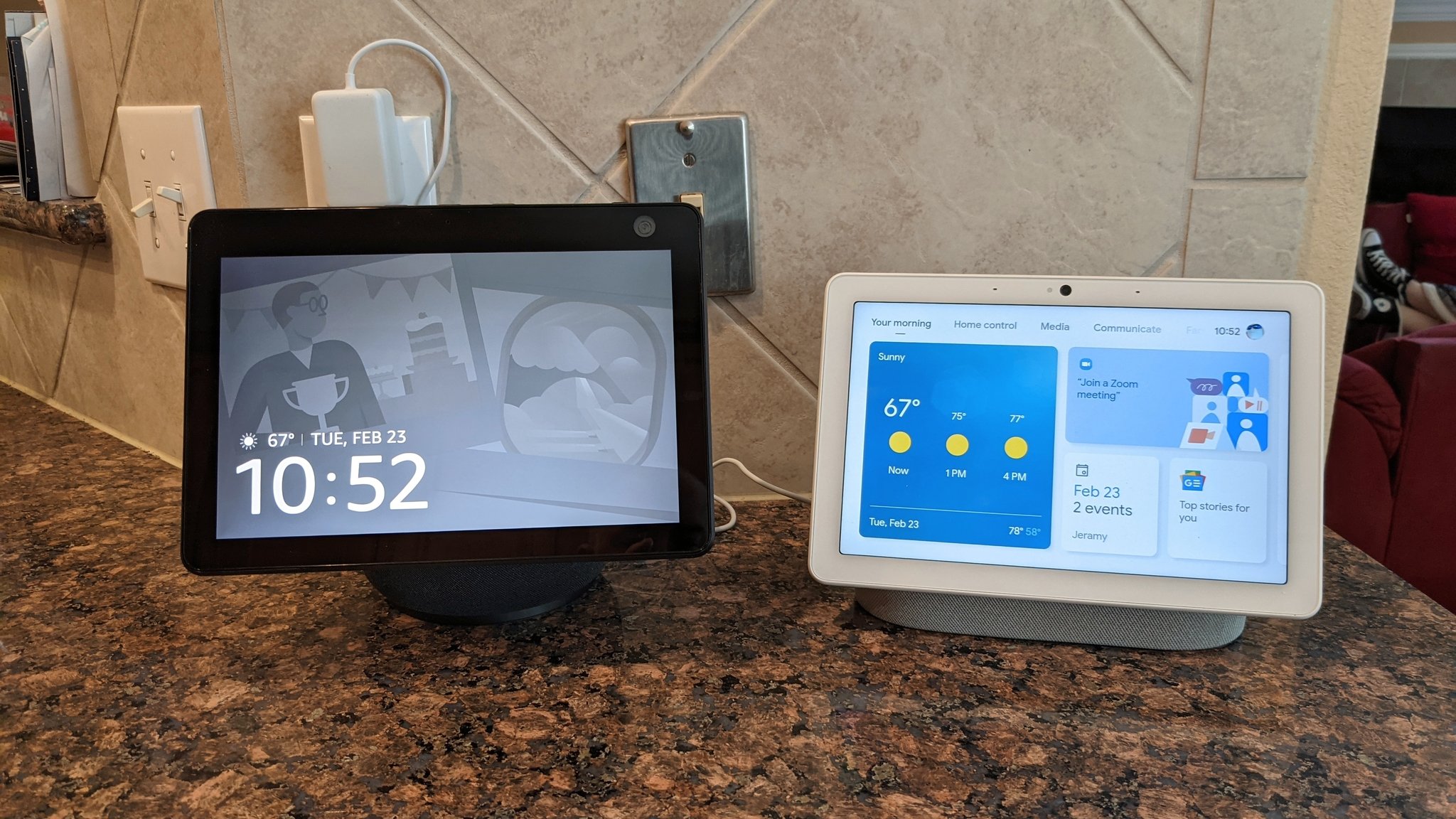
Companies rarely do what Bose did last week. It's uncommon for a company to make a move, actually listen to their customers, and reverse course. While Bose is still shutting down cloud support, its updated approach is a complete turnaround compared to the original plan. It's one that respects the needs of Bose as a company and the customers who spent hundreds or thousands investing in SoundTouch products.
In other words, it's a decision Bose deserves praise for having the courage to make.
It's also the blueprint for every smart home company watching this situation unfold. The next time a brand like Amazon, Google, or Samsung needs to discontinue a product, follow in Bose's footsteps. Provide users with as much local functionality as possible, and let the community do the rest by open-sourcing the software.