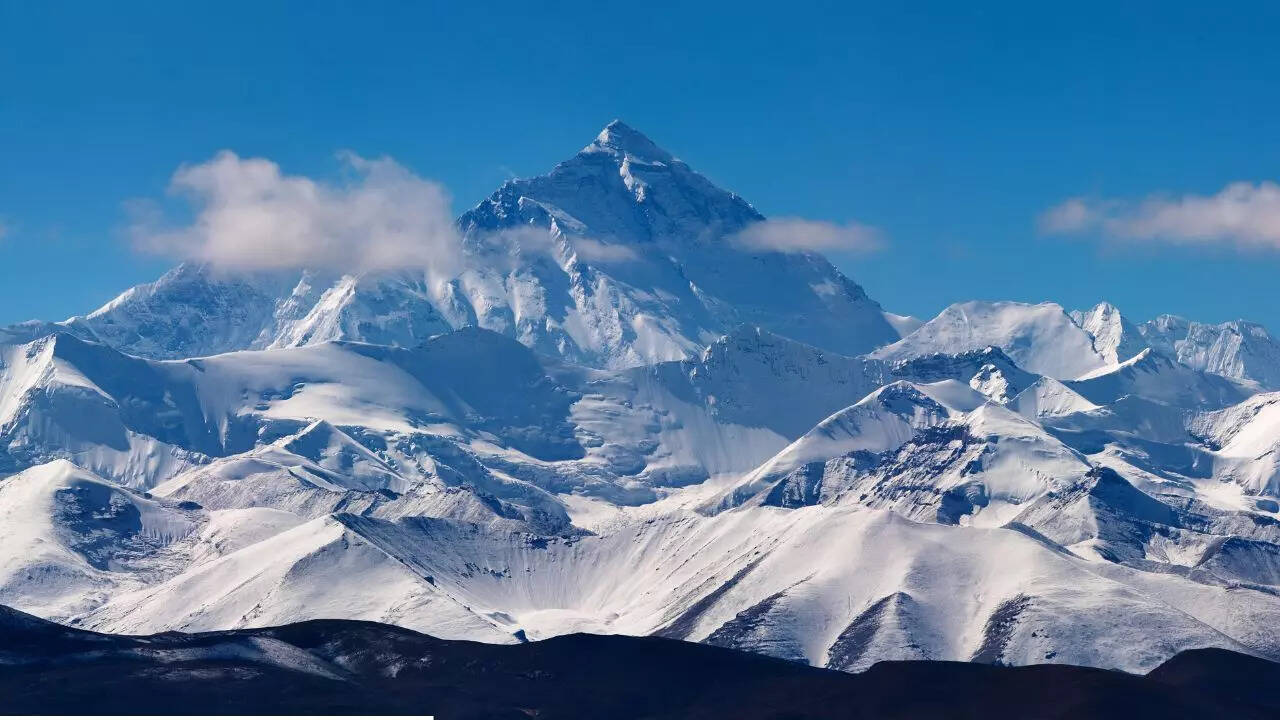
Imagine standing 8,000 metres above the sea floor at Mount Everest, and you find a marine fossil. You should not be surprised because fossils of marine animals have been documented near the summit of Mount Everest, findings that continue to draw scientific and public interest. Climbers and geologists have reported remains of trilobites, crinoids and brachiopods embedded high in the Himalayas. These fossils are not recent intrusions. They are part of sedimentary rock formed millions of years before the mountain existed. Their presence reflects deep geological change linked to plate tectonics and the long closure of an ancient ocean. Evidence gathered over decades connects these marine deposits to the former Tethys Ocean, which once separated the Indian landmass from Asia. The rocks now exposed at extreme altitude were once laid down beneath seawater, later lifted as continents converged.