
Get all your news in one place.
100’s of premium titles.
One app.
Start reading
Homes & Gardens
Homes & Gardens
Martha Davies

Ever Heard of Moon Planting? Here's What to Plant During Waxing and Waning Moons to Get the Best Veg Crops

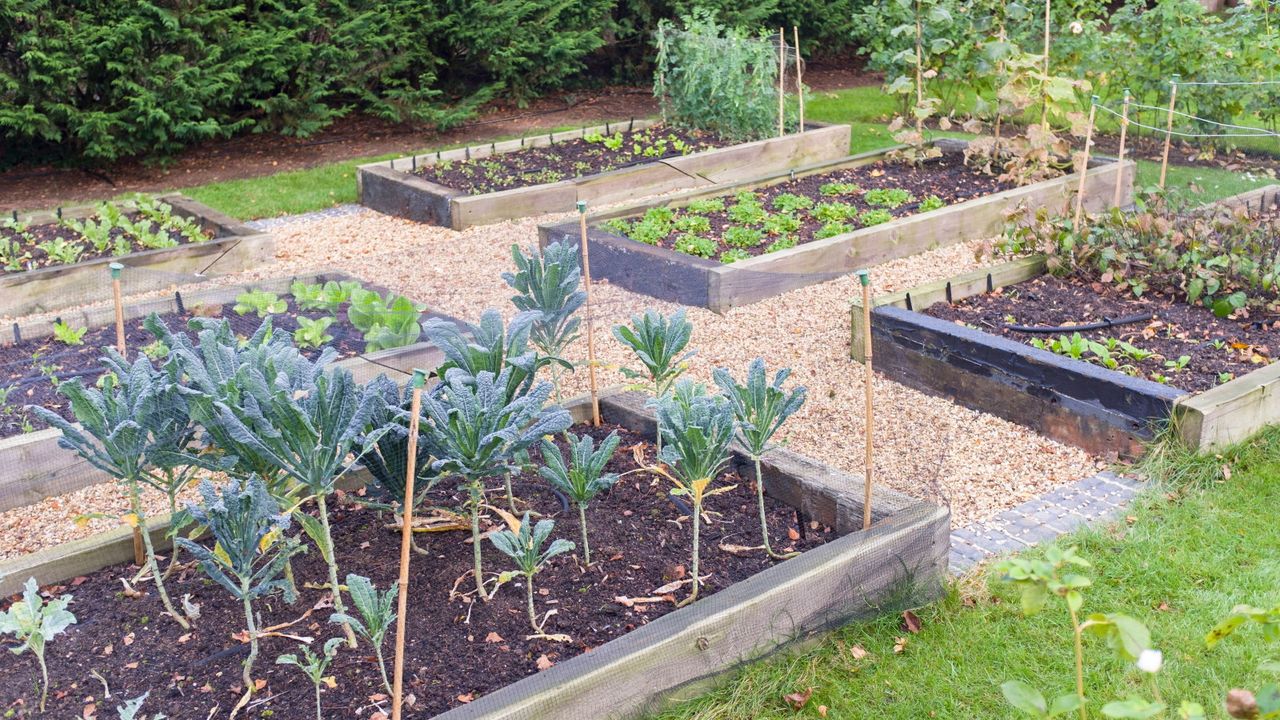
A vegetable garden with raised beds.

While we are more technologically advanced than ever before, there are some traditions that will always stand the test of time. Admittedly, 'moon planting' might sound a little too antiquated, but it's a brilliant example. Put simply, moon planting (or lunar planting) is all about using the phases of the moon to inform your planting calendar. And it might just hold the secret to a successful veg patch. Historically, it was believed to cultivate healthier crops and more productive gardens – and many gardeners still swear by it. Having first appeared in the Old Farmers' Almanac, moon planting is still widely used today. Sound intriguing? Here's everything you need to know about how to garden by the moon – including expert-approved advice, of course.

What is Moon Planting?

(Image credit: Mark Bolton)

While trends like tech-driven precision gardening and even AI gardening are making waves, traditional sources like the Old Farmers' Almanac are still relied upon by professional gardeners and green-fingered homeowners alike. And when it comes to moon planting, there's a lot of wisdom to be found in such an ancient practice.Moon planting is easily confused with the moon garden trend, but it doesn't involve planting flowers that create a serene nighttime garden. Instead, the practice is guided by lunar cycles – and it has a lot to do with the tides.'The basic principle is that lunar phases influence moisture movement in soil, similar to how the moon affects ocean tides,' explains Mario Galo, ISA Certified Arborist and CEO at G&V Tree Service.

The primary idea underpinning lunar planting is that the moon draws more water to the surface of soil during the waxing of the moon: the period between the New Moon and the Full Moon. With this in mind, some gardeners use this time to plant crops that yield their harvest above ground – taking advantage of the upward moisture. (This means stocking up on seeds like green ice lettuce from Burpee and cherry baby tomatoes, also from Burpee).Then, during the waning of the moon – the time between the Full Moon and the New Moon, when moisture is believed to be pulled down into the soil – bulbs and root crops like royal purple radishes (which I found at Burpee) and classic Yukon Gold potatoes (you can also find these at Burpee) are planted.

Does Moon Planting Actually Work?

(Image credit: Getty Images/Dougal Waters)

It's worth noting that lunar planting hasn't been scientifically proven, but the time-honored tradition is still used to inform both planting calendars and wider gardening practices.'From a modern arboricultural and soil science standpoint, scientific evidence supporting lunar planting remains limited,' notes Mario. 'Most peer-reviewed research indicates that soil temperature, moisture levels, daylight hours, and regional climate have a far greater and measurable influence on plant establishment and yield.' (Investing in a soil moisture meter, like this one from Walmart, is a great place to start.)

However, the lunar planting tradition speaks to the importance of what Mario describes as 'attentive timing' – and this is the key to a thriving garden.'Lunar planting can still serve a useful role for gardeners,' he says. 'It often encourages structured planting schedules and closer observation of seasonal cycles, which can indirectly improve gardening success.'

How to Get Started With Moon Planting

(Image credit: Stephanie Frey Photo / Alamy Stock Photo)

To get started, you'll need to consult a lunar calendar. (It's as simple as picking up a handy moon phases poster from Amazon.) Then, consider the type of crops that are associated with each phase, and plan your planting accordingly.'Above-ground crops are sown during the waxing moon,' says Mario. 'This is when moonlight and gravitational pull are believed to support upward plant growth and leaf development.'

Farmers traditionally plant crops like lettuce, beans, tomatoes and leafy greens during this period, since they benefit from that upward pull of moisture.Then, during a waning moon, the focus shifts to root crops.'Crops like carrots, potatoes, beets and radishes are planted during the waning moon when energy is thought to be directed more toward root development below the soil surface,' explains Mario.

Ultimately, moon planting reminds us of the value of careful planning – and soil moisture, of course.'My practical recommendation is to treat lunar planting as a supplementary framework rather than a primary strategy,' says Mario. 'Gardeners will see reliable results by prioritizing soil quality, proper preparation, and consistent monitoring and maintenance.'

What to Shop


If you want to create your own planting calendar, we've compiled a list of exactly when to plant vegetables – it's a month-by-month guide to every crop.Love inspiring garden ideas, outdoor advice, and the latest news? Sign up for our newsletter and get the latest features delivered straight to your inbox.

Sign up to read this article
Read news from 100’s of titles, curated specifically for you.
Already a member? Sign in here
Related Stories
Top stories on inkl right now
One subscription that gives you access to news from hundreds of sites
Already a member? Sign in here
Our Picks
Fourteen days free
Download the app
One app. One membership.
100+ trusted global sources.