The US and Russia have recently agreed to hold talks on the New START Treaty, the only accord left regulating the two largest nuclear arsenals in the world. While this is undoubtedly good news, we must not allow it to lull us into complacency. Global events this year, most notably in Ukraine, have raised fears of a nuclear conflict to levels not seen since the cold war. There are more than 10,000 nuclear warheads remaining in the world, and the Kremlin’s language regarding weapons of mass destruction has became increasingly threatening in 2022.
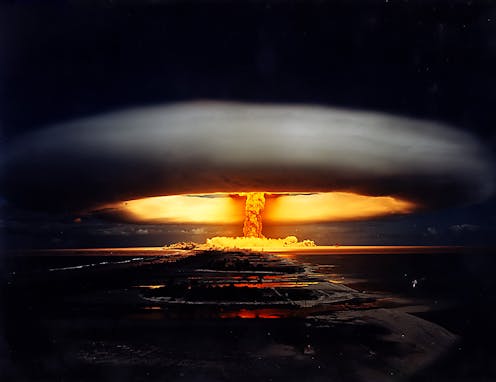
Beyond the horrible fates of victims in the strike zones, a large-scale nuclear exchange would profoundly alter the climate system as we know it, while more limited scenarios could have a devastating impact. An ever-growing body of work has shown that even a local nuclear conflict could usher in a climate catastrophe. As marine scientists, we have considered what this could specifically mean for the world’s oceans.