
Get all your news in one place.
100's of premium titles.
One app.
Start reading
Motor1
Motor1
Sport
Brian Potter

EV Sales Plunge 31% In July, Hybrids Soar 86%

  • US EV registrations fell 31 percent in July to 85,714 units.
  • EV market share fell to 6.2 percent in July from 8.9 percent a year earlier.
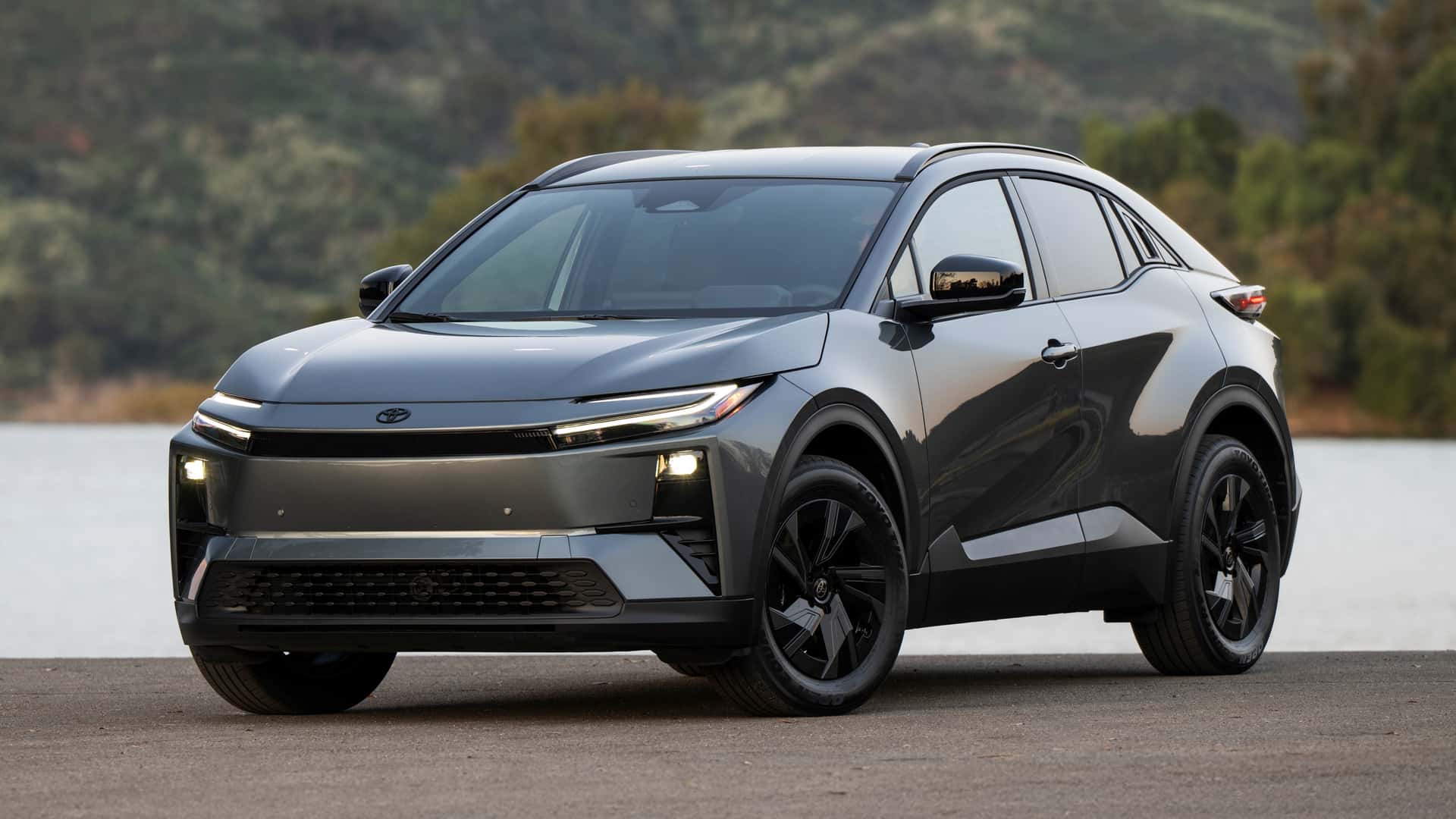
  • Toyota's registrations climbed 86 percent in July.

US EV registrations dropped in July as the market entered its first full month without new federal purchase credits. Battery-electric models lost share, Tesla held roughly flat, and Toyota kept gaining ground on the strength of its hybrid lineup.

The split tells the real story. Some automakers are getting hit by the post-credit slowdown, others are riding hybrid demand, and Ford confirmed back in December 2025 that it is turning the F-150 Lightning into an extended-range EV instead of keeping it fully electric.

Why US EV Registrations Are Slipping

The federal clean-vehicle credit framework no longer covers vehicles acquired after September 30, 2025. That cutoff removed a key price offset for many EV buyers.

According to Automotive News, analysts note that shoppers who wanted the credit moved some purchases ahead of the deadline, leaving later months looking softer by comparison. Industry coverage has linked the EV slowdown to that credit cliff, along with higher interest rates and a product mix that leans on larger, more expensive battery-electric models.

Not every EV seller has taken the same hit. Tesla’s registrations are close to flat while several EV-heavy lineups have posted much steeper year-over-year declines.

Toyota moved in the other direction entirely. Its hybrid-heavy range, led in the US by models like the RAV4 Hybrid, Corolla Hybrid, Prius and Camry Hybrid, has kept gaining buyers while several EV-focused rivals lost ground.

Hybrids Gain Share As EVs Cool

Recent government data show hybrid share of new light-duty vehicle sales climbing into the low-to-mid teens as a percentage of the market, while battery-electric share has edged down compared with 2025. The gap between hybrids and full EVs has widened through 2026.

Dealers report that hybrids are staying popular and inventory can be tight in some regions. Retail data services have highlighted faster turn rates for hybrids than for many EVs, a sign demand is running ahead of what factories are supplying.

Ford’s F-150 Lightning shift to an extended-range EV format fits the same pattern explaining why hybrids outsell EVs right now. Buyers want electric driving and towing assistance without relying only on public fast charging, and automakers are rewriting product plans to match that preference.

The pullback is not uniform. Some brands are canceling or delaying EV programs outright while Toyota and other hybrid-focused rivals keep adding inventory that many dealers say they could sell twice over.


Motor1's Take: Expect more hybrids and extended-range EVs as automakers chase shoppers who want electrified range with familiar fueling habits. Dealers will favor models that turn faster and hit margin targets. Policy shifts and charging access will decide whether full EVs regain momentum. Watch fleet and luxury segments for the earliest signs of a rebound.

Sign up to read this article
Read news from 100's of titles, curated specifically for you.
Already a member? Sign in here
Related Stories
Top stories on inkl right now
One subscription that gives you access to news from hundreds of sites
Already a member? Sign in here
Our Picks
Fourteen days free
Download the app
One app. One membership.
100+ trusted global sources.







