- EU reckons it could assert trust and authenticity by removing AI-generated content
- The bloc is also drafting a code of practice to protect citizens
- Blocking AI altogether might not be the best move, though
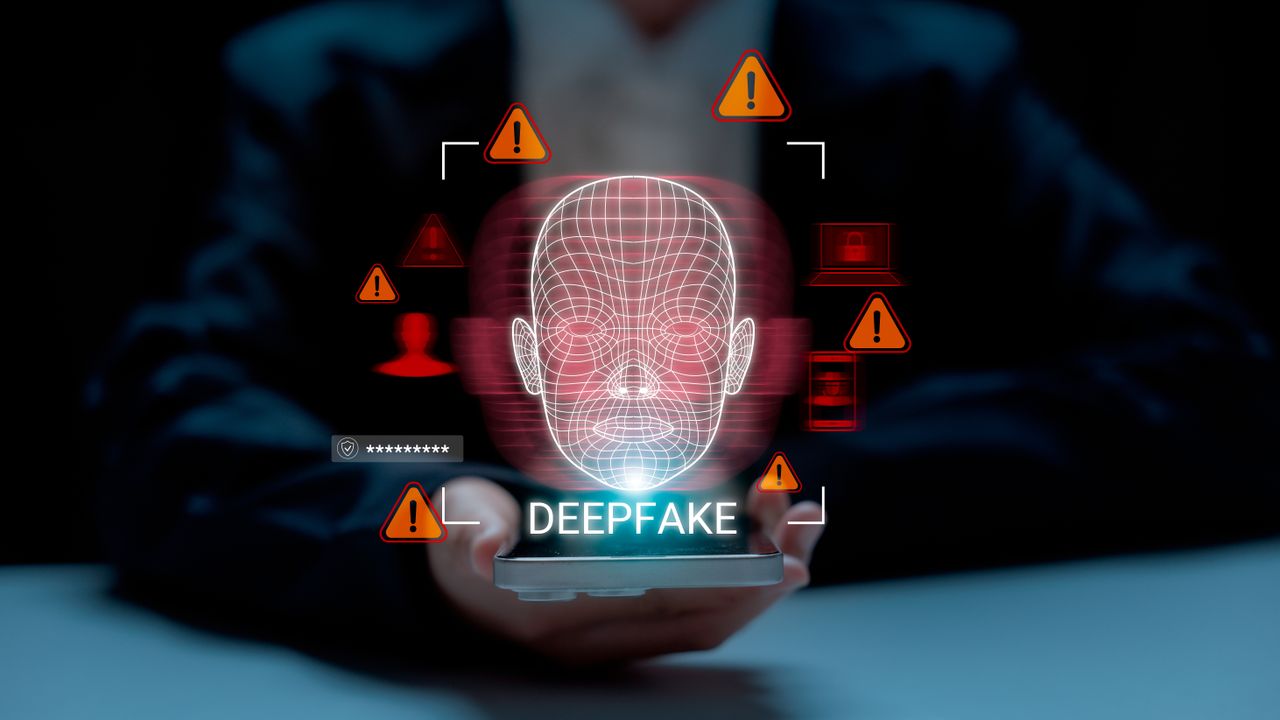
The European Union is reportedly considering a ban on AI-generated images and videos – otherwise known as deepfakes – in official communications.
According to new Politico reporting, with ongoing geopolitical tensions rising, elections running their courses and further public announcements, it's believed the focus would be to protect trust in government messaging.
It's unclear whether the rule would ban AI-generated content that mimics official people or places, or whether it would apply to all images and videos in political communications.
EU considers a ban on AI deepfakes
As it stands, politicians and policymakers are already voicing concerns over AI's impact on democracy, with many worried fake content could undermine authentic news.
However, a blanket ban might not be truly effective. While fully banning deepfakes suggests all EU communications are legitimate, it doesn't stamp out deepfakes appearing on third-party platforms (particularly social media). A further seal of approval to verify the authenticity of any EU communications could also help on this front – but that's not included within current proposals.
There are also calls for AI-generated content to be labelled more clearly as policymakers see the technology as a growing disinformation threat, particularly in global politics.
Separately, Europe is also looking to control the harmful uses of generative AI. The bloc's AI Office has already started to draft a code of practice, which independent experts will continue to build on.
As for the proposed ban, though, the rules are still being shaped and will need to be agreed before becoming law.
However, some experts have criticized Europe for being so harsh in the rules it set out that it could risk falling behind other nations. "Responsible use beats abstinence,” OECD advisor Walter Pasquarelli wrote (via Politico).