Get all your news in one place.
100’s of premium titles.
One app.
Start reading
The Independent UK
The Independent UK
Bryony Gooch

European cold snap increases the chances of spotting rare birds in the UK

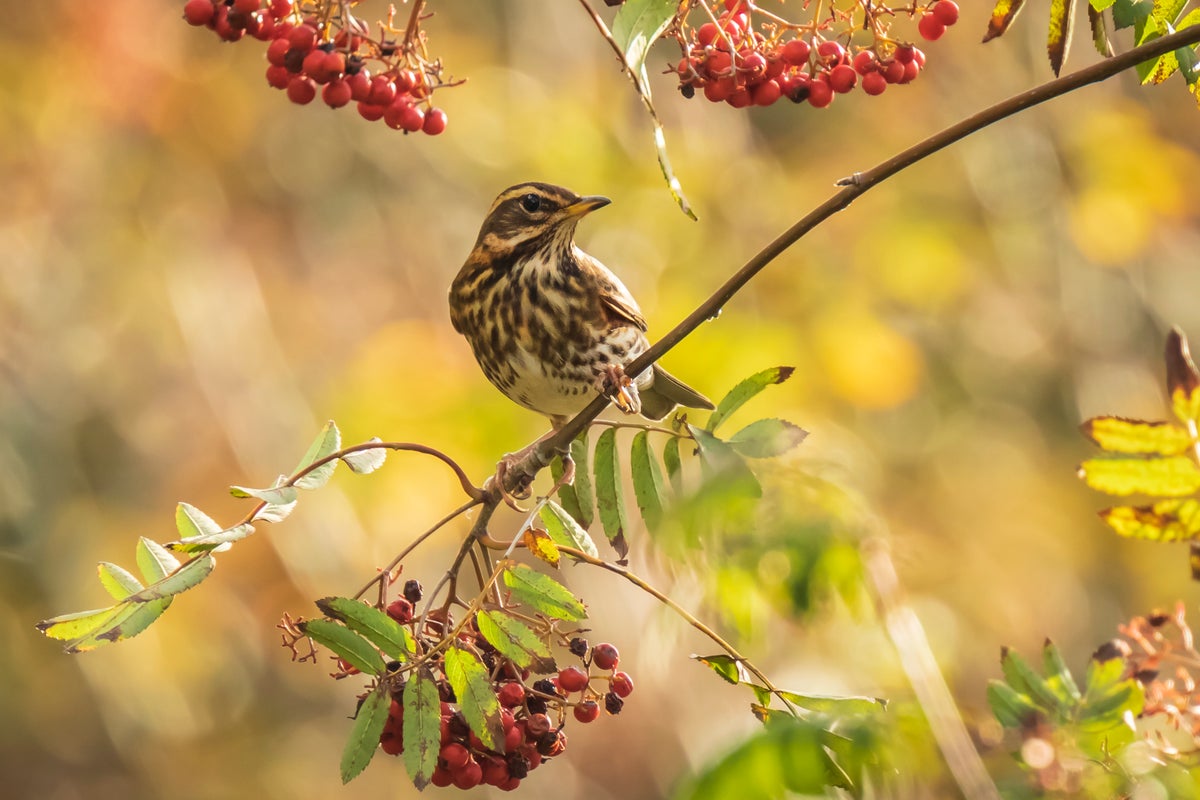
More redwings and fieldfares could make their migration down to the UK due to unsettled weather in northern Europe - (Getty Images/iStockphoto)

The UK could see more rare birds in 2026 thanks to cold and unsettled weather in Europe, the RSPB have said.

Bird watchers may have a better chance at spotting both fieldfare and redwing, which tend to inhabit the continent for most of the year before spending winter in the UK to avoid extreme cold in northern parts of Europe, such as Poland and Scandinavia.

The RSPB predicted the trend on the eve of the Big Garden Birdwatch, an annual event to take place between 23 and 25 January which asks people to spend an hour watching and keeping count of birds in their gardens or local parks. People then send their findings to the RSPB.

Last year, almost 600,000 people took part in the bird watching campaign. More than nine million birds, belonging to 80 different species, were recorded; about 3,000 of these were fieldfares and redwings.

Beccy Speight, chief executive of the RSPB, said: “When compared to places such as Norway and Sweden, the UK has relatively warm winters, and we get large numbers of migratory birds from all over Europe, which travel here seeking shelter, food, and water.

Fieldfare are typically at home in northern Europe, but migrate to the UK for winter (Getty Images)

“But numbers change every year depending on what the weather is like there and here – with the recent cold spell you may see some surprise migratory visitors outside your window,” she continued. “But whether you see a Redwing, your regular local Robin, or even if you don’t see anything, every observation counts.”

The Big Garden Birdwatch gives an indication as to the migratory and breeding natures of birds - and how it has changed over time. In 2025, woodpigeons became the UK’s third most recorded bird spot for the first time, behind the house sparrow and blue tit.

While house sparrows have continuously ranked number one for the last 22 years, numbers were down 11 per cent compared to 2024; the lowest since 1998, down 64 per cent when compared to the first Big Garden Birdwatch in 1979.

Meanwhile, starlings dropped out of the UK’s top three garden birds to the lowest average count ever recorded.

“By taking part in the Birdwatch, you and hundreds of thousands of other nature lovers across the UK are helping us understand how garden birds are doing. Birds and wildlife are struggling right now. Anyone, anywhere, can take part in the Big Garden Birdwatch – even if you don’t have a garden! A park, balcony, allotment or window box will do. Simply spend an hour this weekend counting the birds you see. It’s good for wildlife and evidence shows it’s good for our own wellbeing too.”

She added: “Even on the greyest winter day, our local birds bring a welcome dose of wildness and nature into our everyday lives. Take a moment to pause, to listen, to notice. We need nature, and nature needs us..”

Sign up to read this article
Read news from 100’s of titles, curated specifically for you.
Already a member? Sign in here
Related Stories
Top stories on inkl right now
One subscription that gives you access to news from hundreds of sites
Already a member? Sign in here
Our Picks
Fourteen days free
Download the app
One app. One membership.
100+ trusted global sources.