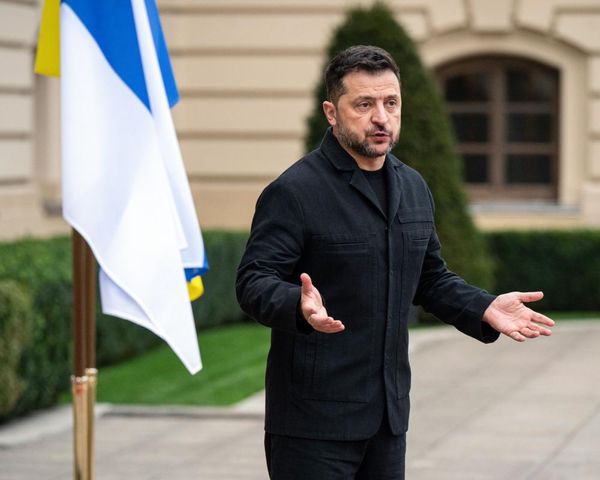
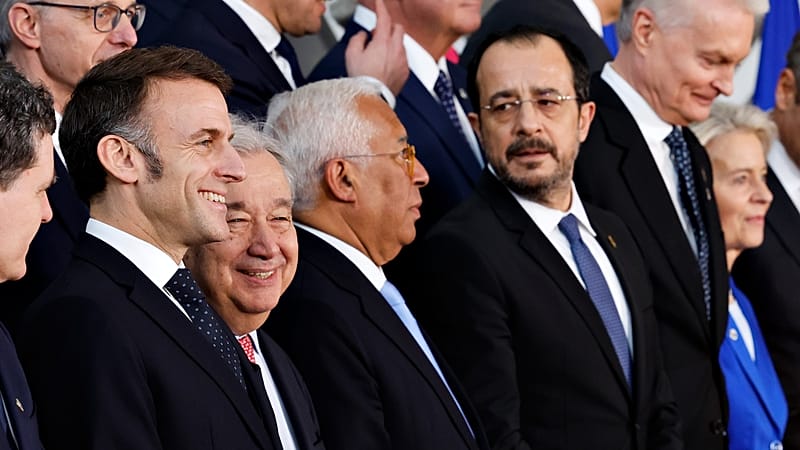
EU leaders concluded on Thursday a summit largely eclipsed by Hungarian Prime Minister Viktor Orbán's controversial decision to veto the €90 billion loan for Ukraine, which he has linked to the interruptions of the damaged Druzhba oil pipeline.
"We are ready to support Ukraine when we get our oil, which is being blocked by them. Until then, there is no decision that is favourable for Ukraine," Orbán said on Thursday.
António Costa, the president of the European Council, harshly criticised Orbán's veto, saying "nobody can blackmail" the institutions and their decision-making.
Another hot-button issue on the agenda was the US-Israeli strikes on Iran and the spiralling consequences for the Middle East and the global economy.
In their joint conclusions, leaders called for "de-escalation and maximum restraint" and a "moratorium on strikes against energy and water facilities".
While the 27 heads of state and goverment agreed that navigation through the Strait of Hormuz should be urgently restored, they said the deployment of a naval mission, as requested by US President Donald Trump, should happen "once the conditions are met".
The summit concluded with a discussion on the economy heavily influenced by the spike in energy prices and mounting fears of stagflation.
Here's how the summit went down.