European Union leaders have agreed a €90 billion loan package for Ukraine, offering Kyiv a financial lifeline as it faces mounting budgetary pressure, but stopped short of the contentious step of using frozen Russian state assets.
The deal, struck in the early hours of Friday during summit talks in Brussels, comes at a critical moment for Ukraine.
With the war approaching its fifth year and United States President Donald Trump pressing for a rapid peace deal, European leaders were under growing pressure to shore up Ukraine’s finances.
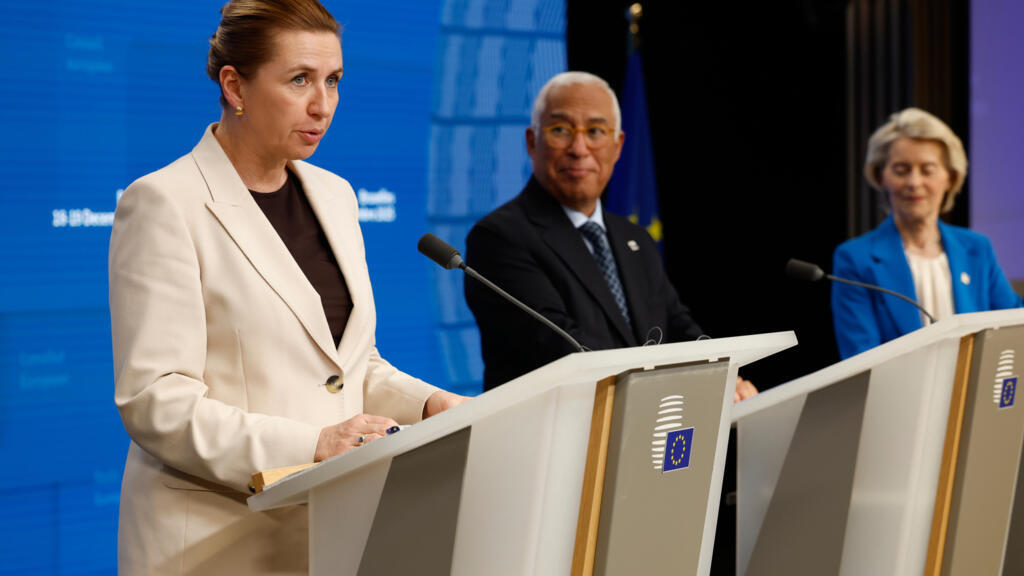
European Council President Antonio Costa, who chaired the summit, said: “Today’s decision will provide Ukraine with the necessary means to defend itself and to support the Ukrainian people."
Ukrainian President Volodymyr Zelensky welcomed the outcome, describing it as “significant support that truly strengthens our resilience”.
Writing on X (formerly Twitter), he added that it was crucial that Russian assets remain frozen and that Ukraine now has a degree of financial security for the coming years.
Frozen assets plan falls away
Behind the scenes, however, the talks were fraught. EU leaders had initially hoped to unlock far larger sums by tapping around €200 billion of Russian central bank assets frozen in the bloc since Moscow invaded Ukraine in 2022.
The idea was to use those assets to underpin a loan for Ukraine – a move Kyiv has long argued is both morally and legally justified.
But the plan ultimately collapsed after Belgium, where the bulk of the frozen assets are held, demanded firm guarantees over how any legal or financial liability would be shared.
Belgian Prime Minister Bart De Wever, briefing reporters as the summit wrapped up, said he believed “rationality has prevailed”.
The Kremlin was quick to applaud the failure of the assets plan. Kirill Dmitriev, Russia’s top economic negotiator, said on social media that Europe had resisted the temptation to “illegitimately use Russian assets to finance Ukraine”.
“For the time being, the law and common sense have won a victory,” he added.
EU leaders instead settled on a loan covering the next two years, backed by the bloc’s common budget.
The European Commission estimates that Ukraine will need an additional €135 billion to stay afloat over that period.
Von der Leyen calls for unity on funding Ukraine as EU leaders meet in Brussels
German Chancellor Friedrich Merz had been among the strongest advocates of using Russian assets, but said the final agreement still "sends a clear signal to President Putin".
European Commission President Ursula von der Leyen struck an optimistic note, stressing that Ukraine would not be left shouldering the burden indefinitely.
She said Kyiv would only be expected to repay the loan once Russia compensates it for the damage caused by the war – a nod to the longer-term push to hold Moscow financially accountable.
Because issuing joint EU debt requires unanimous backing from all 27 member states, sceptical governments including Hungary, Slovakia and the Czech Republic were granted exemptions from the commitment, allowing the deal to go through without a last-minute veto.
Zelensky had made a direct plea to leaders at the start of the summit, arguing that using Russian assets was the fairest solution. “Russian assets must be used to defend against Russian aggression and rebuild what was destroyed by Russian attacks,” he said. “It’s moral. It’s fair. It’s legal.”
While Kyiv may be disappointed that Europe did not take that step, securing funding by other means still brings relief. Zelensky had warned leaders that a decision was needed before the end of the year, and said stronger financial footing could give Ukraine greater leverage in any future talks to end the war.
Macron demands 'robust security guarantees' before any Ukraine territorial talks
Diplomacy gathers pace
Those diplomatic efforts are already under way elsewhere. Alongside the EU summit, Washington has been pushing its own initiative to broker an end to the conflict – an effort that has so far largely side-lined European capitals.
French President Emmanuel Macron suggested that Europe should take a more active role in engaging Moscow directly.
“I believe that it’s in our interest as Europeans and Ukrainians to find the right framework to re-engage this discussion,” he said, adding that Europeans should look to do so “in coming weeks”.
Zelensky announced that Ukrainian and US delegations would hold fresh talks on Friday and Saturday in the United States. He said he was seeking clearer answers from Washington about the security guarantees it could offer to deter any future Russian aggression.
President Trump, meanwhile, continued to apply pressure on Kyiv, saying once again that he hopes Ukraine will “move quickly” towards an agreement.
(with newswires)