Get all your news in one place.
100's of premium titles.
One app.
Start reading
International Business Times UK
World
Ria Pathak

Epstein's Island Architect Spills on Creepy Bunk Beds, Heavy Curtains, and What the Elite Ignored: 'Everybody Knew!'

Photos from the island show bedroom setups and interiors that match the idea of shared sleeping spaces and limited openness. (Credit: Reuters)

Speaking publicly for the first time about his work experience on Little St. James, also known as Epstein Island, New York-based designer Robert Couturier described rooms with bunk beds, darkened windows, and requests that, in his words, left little room for doubt.

His account, now part of a broader CNN investigation built on newly released DOJ materials, is adding detail to what victims and former staff have long alleged.

Couturier spoke about what he saw, what Jeffrey Epstein requested and what he believed the elites who visited the island ignored.

Inside the Rooms That Raised Alarms

Couturier said he was hired around 2010 to work on interiors at Epstein's private island. What stood out immediately, he said, wasn't luxury; it was the specifics of what was being asked.

Photo of one of the bedrooms in the island. (Credit: House Oversight Committee)

One bedroom, he recalled, was meant to have a 'very colourful palette' because it was 'for his girls.' In another space, he encountered bunk beds. When he asked if they were for family, Epstein told him directly they were also 'for the girls.'

Architect Designer Robert Couturier (Credit: French Heritage Society YOUTUBE SCREENSHOT)

There was also a room filled with computers, which Epstein described as a place where the girls could 'have fun.' Combined with the layout and design choices, Couturier said the environment felt off from the start.

Heavy curtains stayed drawn, windows were rarely opened, and the overall atmosphere, he said, 'felt terrible.' Photos of young girls displayed inside the property only deepened his concerns.

'I Immediately Understood'

Couturier said he left the project after just a few months.

Looking back, he described the experience as one where the intent didn't need to be spelt out. The design requests, the layout, and what he saw on-site all pointed in the same direction.

He later spoke to the FBI, detailing what he had seen and been asked to create. That interview remained out of public view until now, when his account resurfaced alongside newly released government documents.

What the Files and Other Accounts Show

The CNN report draws on millions of pages of DOJ material, including emails, photos, and videos tied to Epstein's properties. Those records, along with earlier testimony, align closely with Couturier's description.

Photos from the island show bedroom setups and interiors that match the idea of shared sleeping spaces and limited openness.

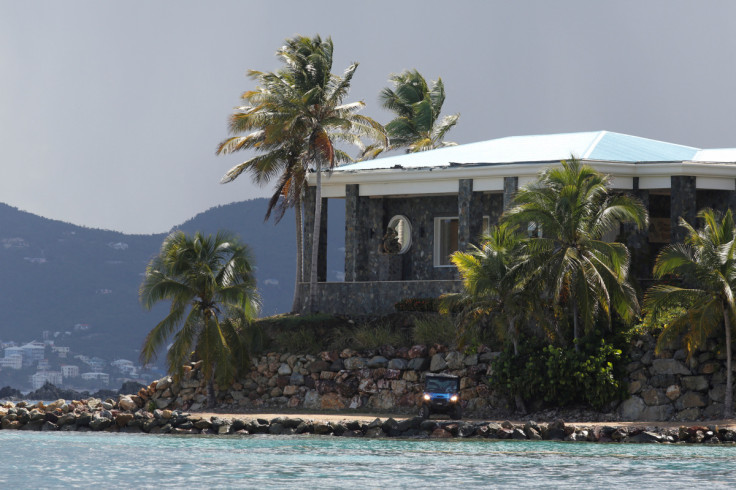
Little St. James, also known as Epstein Island (Credit: Navin75/Wikimedia Commons)

On the other hand, victims have also described heavy curtains, restricted movement, and a sense of isolation when they were on the island, details that echo what Couturier says he observed firsthand.

Former staff and associates have made similar claims over the years. Testimony has pointed to rooms designed for specific use, frequent movement of young women through the property, and a system where access to the outside world was tightly controlled.

The Question of Who Knew

Couturier's most direct claim isn't about design, it's about awareness.

He said Epstein 'wasn't hiding anything' and questioned how anyone spending time on the island could have missed what was happening. In his view, the signs were visible, and choosing not to recognise them was a decision.

That sentiment matches statements from victims included in the DOJ files, some of whom have said the activity on the island was 'obvious' to those present.

The renewed focus on Little St. James comes as more records tied to Epstein continue to be made public. The property, once purchased for $8 million (£5.9 million) and later sold for $60 million (£44.9 million), has become central to understanding how his network operated.

While no new charges are tied directly to the renovation work, the details emerging from designers, staff, and victims are helping fill in gaps about how the island functioned day to day — and who might have been aware of it.

Sign up to read this article
Read news from 100's of titles, curated specifically for you.
Already a member? Sign in here
Related Stories
Top stories on inkl right now
One subscription that gives you access to news from hundreds of sites
Already a member? Sign in here
Our Picks
Fourteen days free
Download the app
One app. One membership.
100+ trusted global sources.