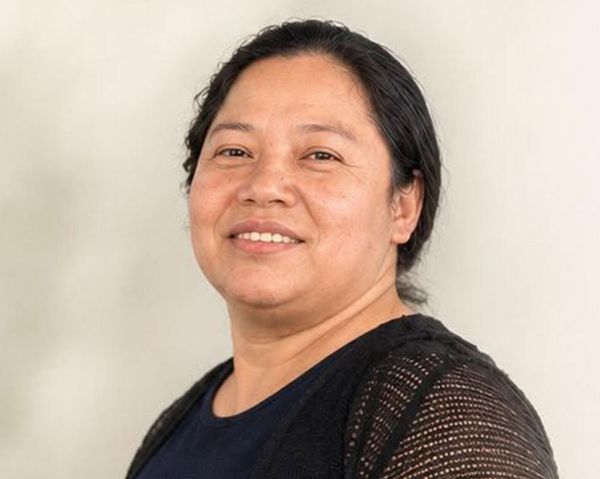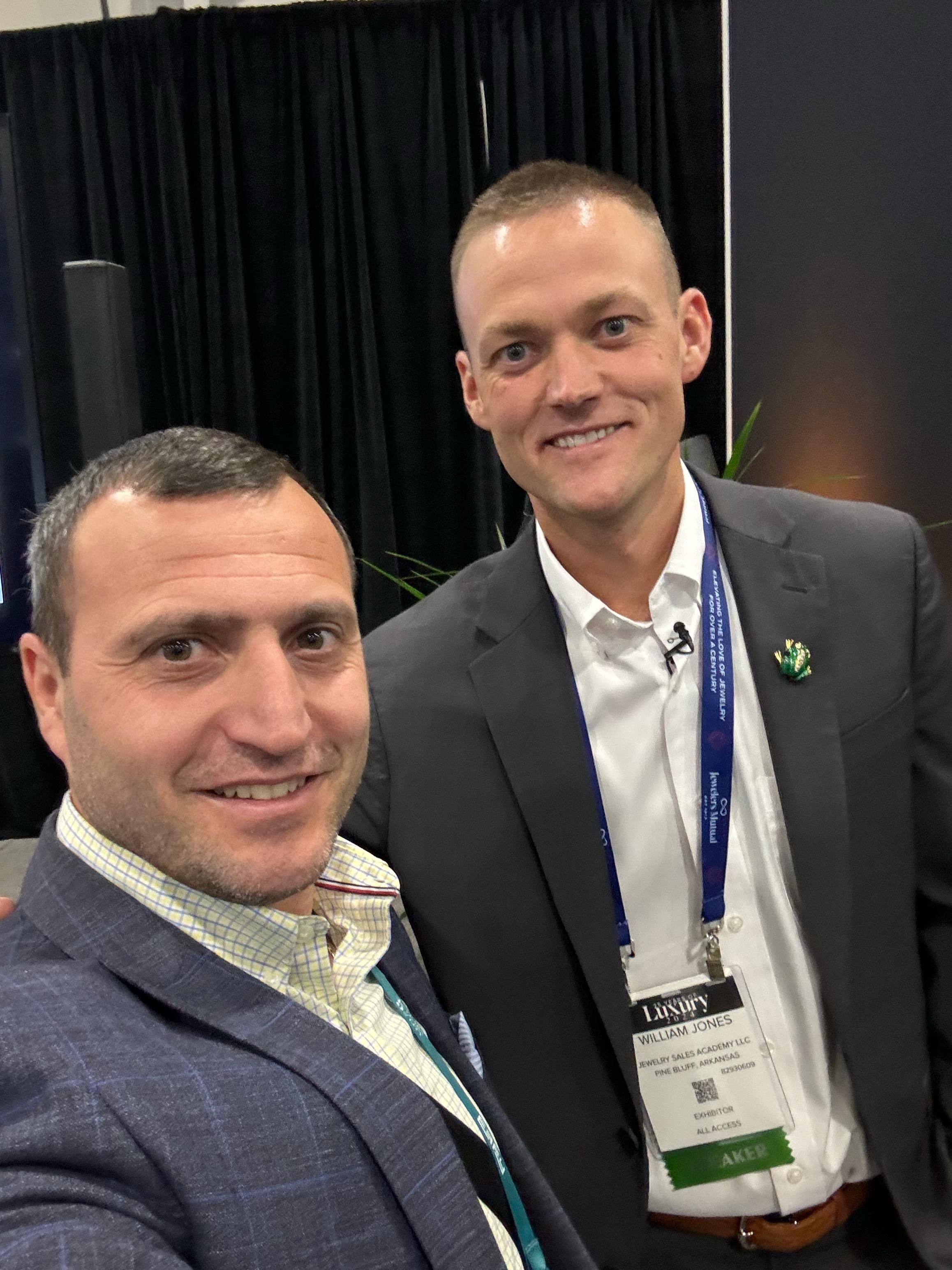
For decades, innovation in the jewelry industry has often happened quietly, far from fashion headlines and luxury branding. It takes place on factory floors, inside engineering drawings, and in production processes that determine whether a gemstone becomes a profitable product or an expensive loss. Few professionals embody this behind-the-scenes innovation as clearly as Aghasi Poghosyan, an Armenian jewelry engineer and designer whose technical inventions and leadership helped modernize large-scale jewelry manufacturing across multiple international markets.
Poghosyan’s professional path began with a strong engineering foundation in precious-metal and gemstone processing, which he applied directly inside industrial production environments rather than academic laboratories. By the early 2000s, he was already working on solving one of the industry’s most persistent problems: how to extract usable diamond blanks from irregularly shaped natural rough stones. This effort culminated in Patent No. 1417 A2, filed on May 26, 2003, which introduced a method for obtaining diamond semi-finished products from prism-shaped rough diamonds by precisely inscribing geometric planes and executing controlled sawing. The method allowed manufacturers to recover valuable material from stones previously considered inefficient or waste-heavy, directly improving yield and reducing waste during early processing stages.

Two years later, Poghosyan co-developed a second patented invention, Patent No. 1654 A2, filed on April 22, 2005, addressing another critical manufacturing challenge: gemstone stability. This patent introduced a reinforced gemstone-setting construction in which the insert is uniformly surrounded by a continuous cast metal band. The engineering logic was simple but powerful, distributing pressure evenly around the stone to prevent loosening or loss over time. The design improved durability without compromising aesthetics and was implemented in production jewelry, particularly in pieces intended for long-term daily wear. Together, these patents reflect not abstract experimentation, but practical engineering solutions adopted within active manufacturing environments.
These inventions were developed while Poghosyan was advancing through increasingly senior roles at Yerevan Jewelry Plant (later operating under the Yerevan Jewelry Plant-1 GNOMON brand), Armenia’s largest and most historically significant jewelry manufacturing enterprise, founded in 1950. Over an eleven-year period, he rose from technical and production roles to Head of Sales and Marketing, a position he held while directly influencing product development, export strategy, and international representation. By the mid-2010s, he was overseeing teams of more than 100 employees and coordinating the integration of new technologies into industrial workflows.
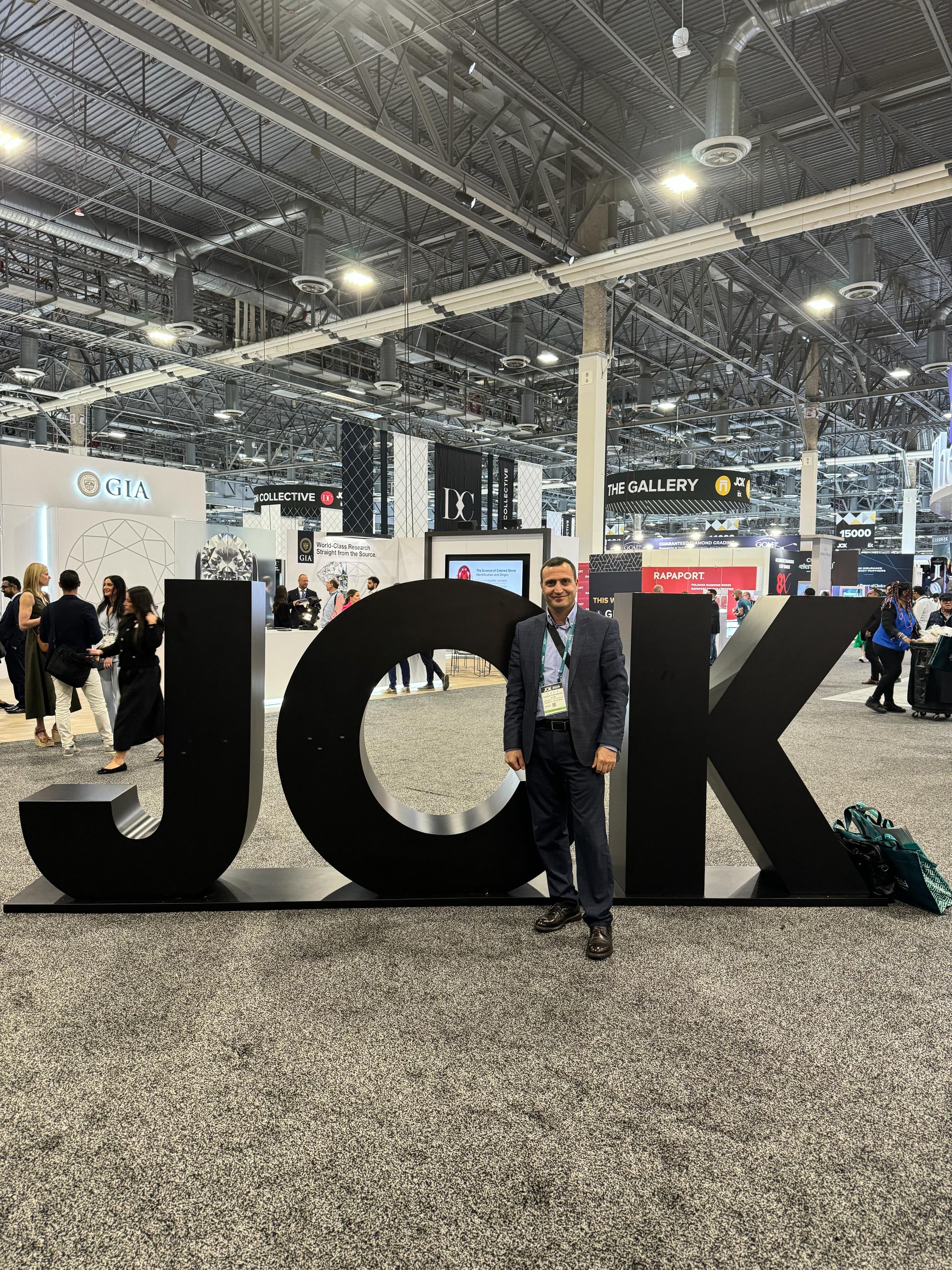
His leadership coincided with the company’s active participation in major international exhibitions that shaped Armenia’s presence in global jewelry markets. In 2015, Poghosyan represented the company at the World Money Fair in Berlin, held at the Estrel Congress Center, where commemorative coins designed under his direction—most notably a coin honoring German Chancellor Angela Merkel and the German national football team—received international media coverage. In 2016, he participated in the Beirut Money Fair, presenting Armenian commemorative medals that emphasized both cultural heritage and advanced production quality. In 2018, he represented Armenian manufacturers at JUNWEX Moscow and the ARU Almaty International Jewelry Exhibition, where participation resulted in export contracts and long-term partnerships, including the establishment of Armenian jewelry retail presence in Kazakhstan.
These exhibitions were not symbolic appearances. Following JUNWEX Moscow in 2018, Armenian jewelry companies secured export orders reported in Armenian trade media to exceed hundreds of millions of Armenian drams. At ARU Almaty, participation directly led to contracts valued at approximately USD 200,000 and the opening of a branch of an Armenian jewelry brand in Kazakhstan. Poghosyan’s role at these events was not limited to representation; he coordinated product selection, technical presentation, and negotiations, ensuring that manufacturing capabilities aligned with international market expectations.
Inside the organization, his role was equally critical. Under his leadership, Yerevan Jewelry Plant-1 “GNOMON” (now operating under the Emil Grigorian Yerevan Jewelry Plant) secured and fulfilled large-scale state tenders to produce official medals and awards for institutions such as the Presidential Administration, the Ministry of Defense, and the Prosecutor General’s Office of Armenia. These projects required exacting technical standards, precise production control, and strict delivery timelines, reinforcing the plant’s reputation as a trusted national manufacturer. Poghosyan’s engineering background allowed him to bridge executive decision-making with production realities, a combination that proved essential to the company’s reliability and growth.
His work also aligned with broader national economic priorities. During the period of his leadership, Armenia designated the diamond and jewelry sector as a strategic export industry under its 2021–2026 government program. By 2023, Armenia’s jewelry exports reached approximately USD 493 million, placing the country among the world’s top 25 exporters in the sector. While this growth reflects the efforts of many professionals, Poghosyan’s sustained leadership, patented innovations, and international outreach played a measurable role in strengthening Armenia’s manufacturing credibility abroad.
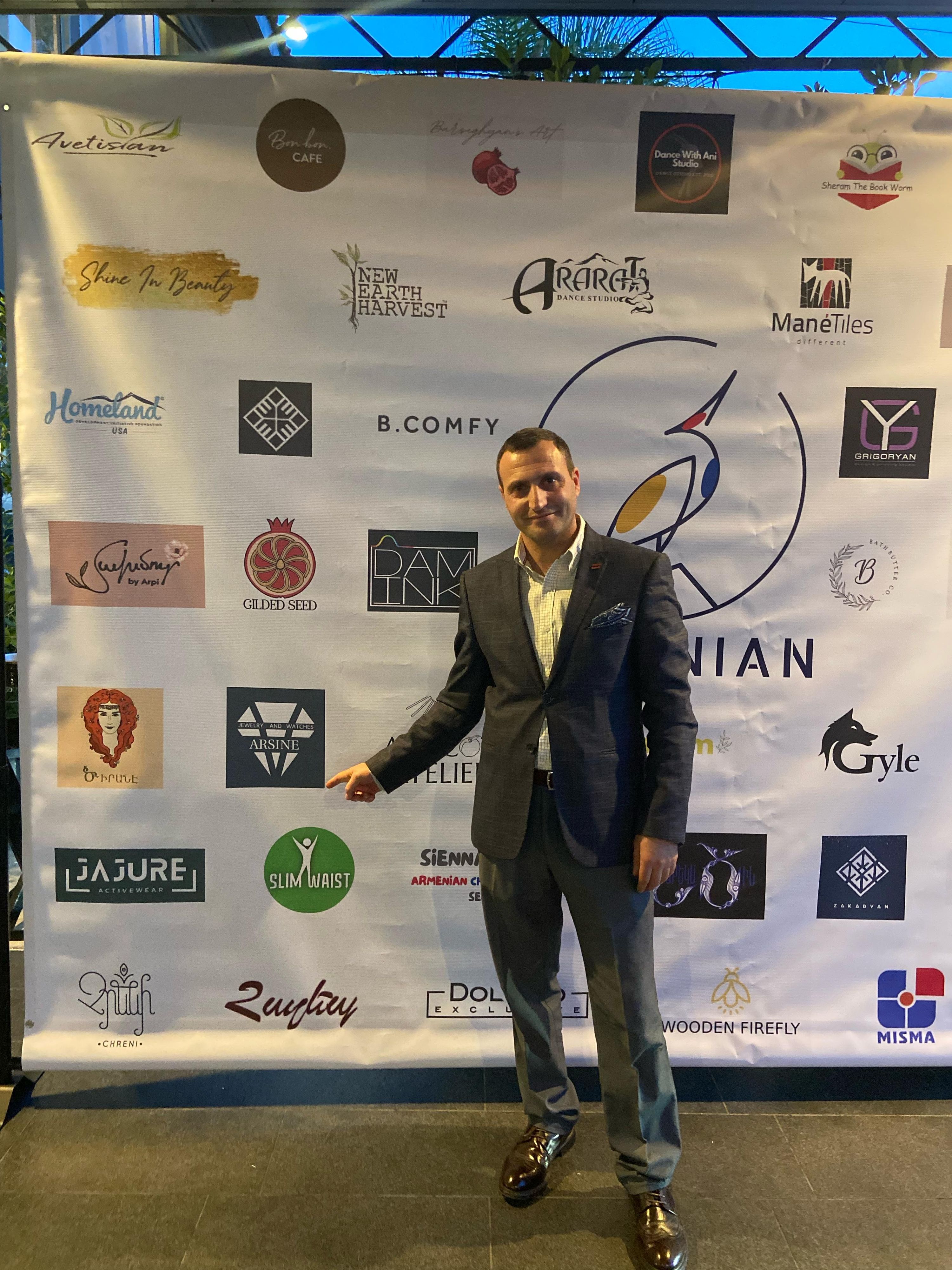
In 2023, Poghosyan brought this experience to the United States, founding ARSINE Jewelry and Watches Inc. in Glendale, California, where he now serves as President. He oversees product development, technology integration, CAD/CAM processes, quality control, and international sourcing, applying the same engineering-driven approach that defined his earlier career. His work continues to focus on merging durability, efficiency, and aesthetic refinement—principles shaped over decades of industrial practice.
Aghasi Poghosyan’s professional path shows how major change in the jewelry industry often comes from steady, technically grounded work rather than publicity. By solving long-standing production problems through practical inventions and then applying those solutions inside a large manufacturing operation, he helped modernize how jewelry is designed, produced, and brought to international markets. While much of the industry focuses on visual appeal, his influence is felt in the durability, efficiency, and reliability of the pieces themselves—improvements that continue to shape production practices well beyond Armenia.