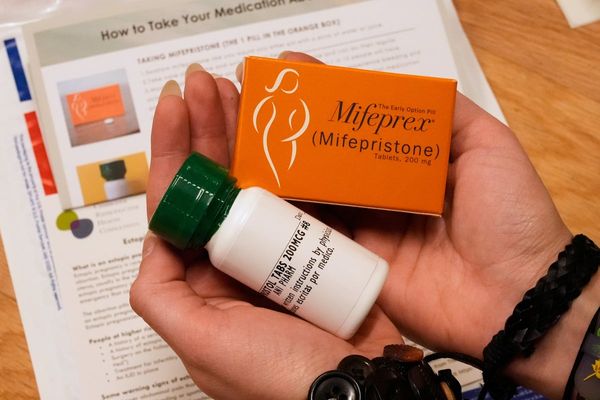
Before my son's birth, my wife had three miscarriages. In an era of less-advanced medicine, those brief pregnancies might never have been detected, but they were and the end of each was heart-wrenching, no matter that they were undoubtedly caused by abnormalities. But what if she'd done something that might have triggered the miscarriages? Now that the majority of abortions involve medication instead of surgery, linking the end of a pregnancy to individuals' decisions isn't as simple as some abortion opponents claim and has already resulted in disturbing arrests and prosecutions. As pro-lifers celebrate their victory in a post-Roe world, they should tread lightly or risk creating new horrors.
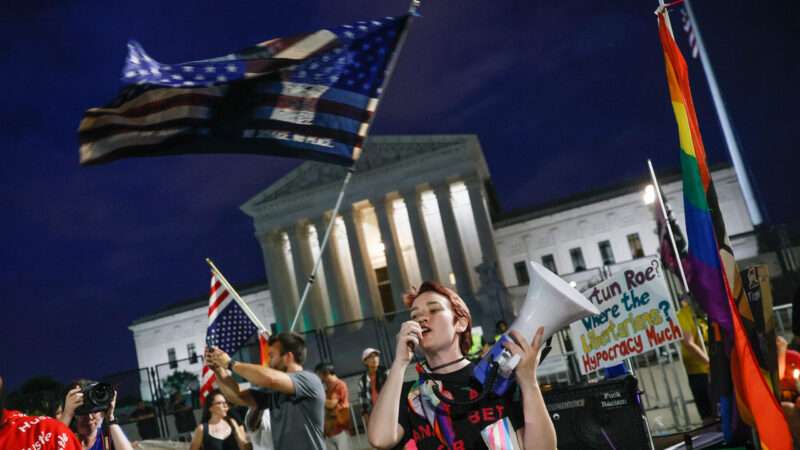
"The Constitution does not confer a right to abortion; Roe and Casey are overruled; and the authority to regulate abortion is returned to the people and their elected representatives," the Supreme Court ruled last week. The decision in Dobbs v. Jackson Women's Health Organization came as little surprise not just because of the leak of Justice Samuel Alito's draft opinion in the case, but because Roe has been taught for decades as an example of a court opinion that substituted hand-waving for legal reasoning.