- Carbon credit purchases have risen sharply since the AI boom
- Companies are using carbon offsetting to counter data center emissions
- Net zero and sustainability goals are being threatened by the rapid expansion
New research has claimed to show just how much of a role carbon credits are playing in the world of Big Tech, with the likes of Amazon, Google, Meta and Microsoft all increasing their purchases in recent years.
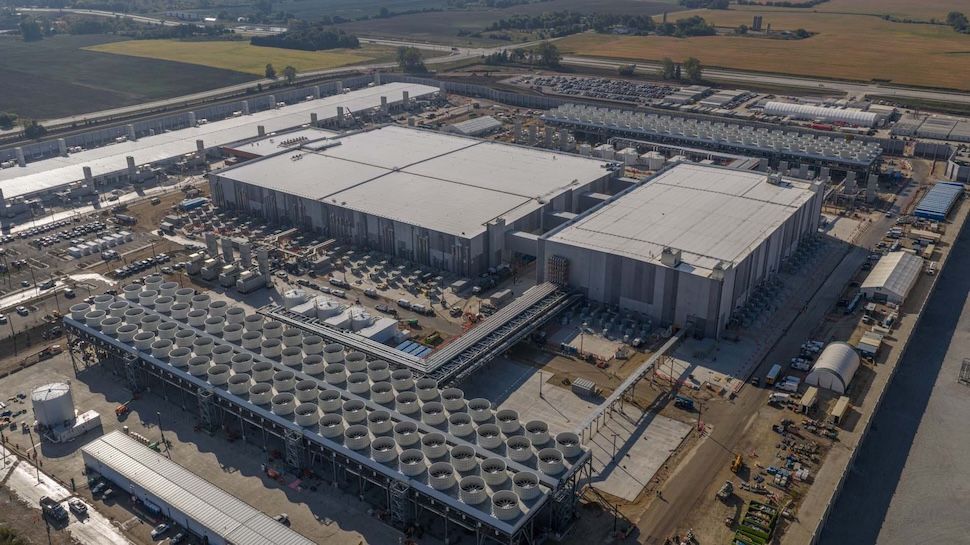
The increases broadly align with a rise in AI, with energy-intensive data centers putting huge amount of strain on companies that had already set out net-zero goals prior to this shift.
Carbon credits essential work as a tool to offset the emissions a company produces, with one credit equaling one metric tonne of CO2.
Companies are using carbon credits to offset AI
Research by carbon credit management platform Ceezer (via CNBC) claimed there were 68.4 million purchases of carbon credits in 2025, a 181% increase over the 24.4 million sold in 2024, which itself was a 104% increase over 2023's 11.9 million.
On the whole, artificial intelligence has vastly changed companies' trajectories in terms of sustainability, with rapid data center expansion calling for far more power, water and other resources.
For now, it's unlikely that companies could meet their targets without purchasing carbon credits given immense data center expansions and the far slower development of clean energy solutions.
Microsoft looks to be one of the biggest buyers, reporting a 247% rise in credit purchases between fiscal 2022 and fiscal 2023, and then a further 337% rise to fiscal 2024.
However, at the same time, companies are also investing in renewable energy such as wind and solar, as well as looking to increase the energy efficiency of the components that make up data centers. In February 2025, Amazon declared it was the "top corporate purchaser of renewable energy in Europe."
That being said, while carbon credits are a current solution to offset some of the emissions produced, it's clear that reducing those emissions in the first place would be the better option.
For now, only time will tell whether Big Tech sustainability and net zero goals will be met, or whether AI has steered companies away from those targets.