We are eight months out from this year’s Academy Awards, where Will Smith slapped presenter Chris Rock after a derogatory joke aimed at his wife Jada Pinkett. He was subsequently barred from attending the ceremony for the next decade. And, now, the actor’s career lies in jeopardy. Several of his projects have stalled. Others, reportedly, have been outright cancelled. His historical action film Emancipation, which had finished production just a few weeks before that fateful Oscar night, cost Apple an estimated $120m, and though the studio has pressed ahead with its scheduled release plan, the debate is still rife over whether they’ve made the right call. Smith himself gets it. “I completely understand,” he told a US journalist in an interview this week. “If someone is not ready, I would absolutely respect that and allow them their space to not be ready.” I also respect people’s choice “to not be ready” to watch Smith act again. But I will ask this: why aren’t the men accused of extensive and repeated sexual abuse excusing me from having to watch their films?
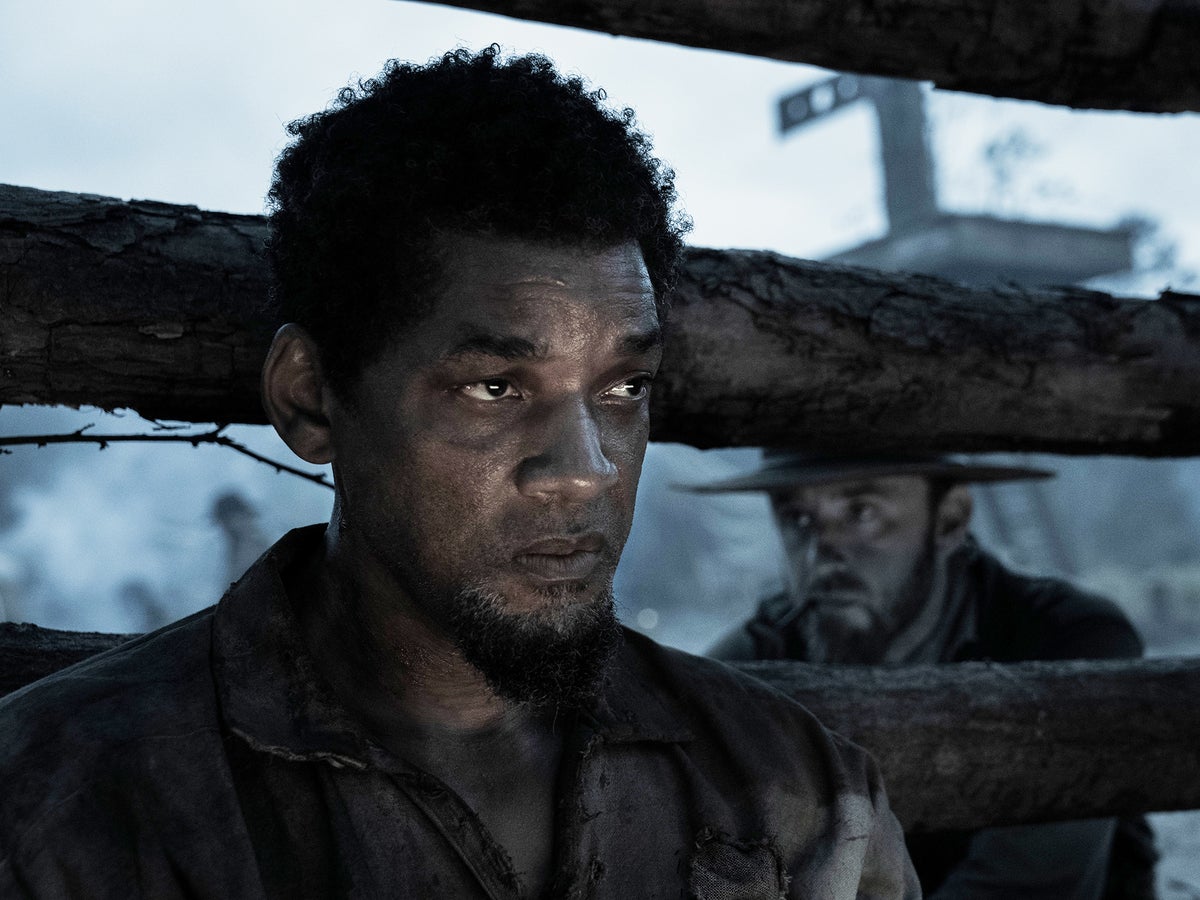
For my own part, I believe there are trickier and more productive conversations to be had about Emancipation. Smith plays Peter, a man who escapes slavery on a Louisiana plantation. He evades the hunters on his tail (their leader, Fassel, is played by Ben Foster), wrestles an alligator, and eventually makes his way to Baton Rouge, the Union Army, and to his freedom. No one should doubt the open-hearted sincerity with which Smith and his director Antoine Fuqua (Training Day) view their story as one of empowerment. And some, certainly, will be inclined to see it that way as well. But Emancipation is primarily a film concerned with individual heroism to a near-mythic extent (see: the alligator wrestling). How can that ever sit right with a historical trauma still viciously pumping through America’s bloodstream?