Source: Pexels
If you’ve ever tried to scale email volume fast, you’ve probably had this moment: the campaign is solid, the list looks fine, you hit send… and performance drops in a way that doesn’t make sense.
Opens dip. Replies disappear. Complaints creep up. And the team starts tweaking subject lines, like one extra word is the problem.
Sometimes copy is the issue. But at high volume, inbox placement is usually decided by everything happening behind the scenes. Reputation, consistency, authentication, engagement patterns, and whether your sending behavior looks stable over time.
The tools below won’t “guarantee” inbox placement, but they do help high-volume teams avoid the common mistakes that quietly wreck performance.
1. InboxAlly
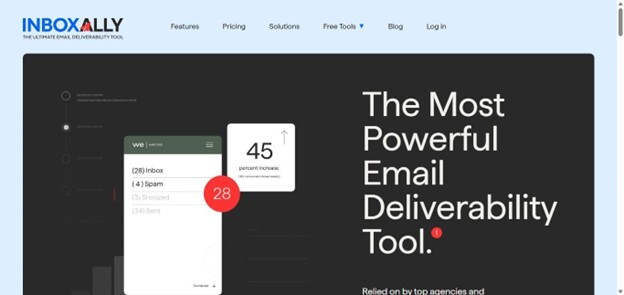
InboxAlly is built for the part of deliverability that most teams ignore until it becomes a mess: reputation conditioning.
When you’re sending at scale, your reputation is fragile. A volume spike, a cold segment, or a sudden change in sending behavior can push you into spam placement before anyone even realizes what happened.
InboxAlly helps stabilize that by creating the kind of engagement patterns inbox providers trust over time.
What makes it useful is that it’s not only a “new domain” tool. It’s also used when a sender has drifted into poor placement and needs to rebuild trust without doing anything dramatic. That’s the part that trips marketers up. They want a quick fix.
Deliverability doesn’t work like that. If you’re working with an Email deliverability company, this is exactly the kind of tool they’ll often recommend when the root issue is reputation, not one specific campaign.
The best way to think about InboxAlly is simple: it helps your sending behavior look stable again. And stability is what gets rewarded when you’re pushing high volume.
2. SendGrid

SendGrid is one of the most common choices for high-volume sending for a reason. It scales cleanly, it’s reliable, and it gives you enough control to manage different types of email without everything blending together.
That separation matters a lot. Transactional emails should not share the same reputation pool as heavy promotional blasts. Neither should warm leads and cold reactivation sends. When everything gets mixed, your risk rises.
SendGrid makes it easier to structure your sending so one risky stream doesn’t drag down everything else. And at volume, that kind of control is the difference between minor turbulence and a full deliverability problem.
3. Mailgun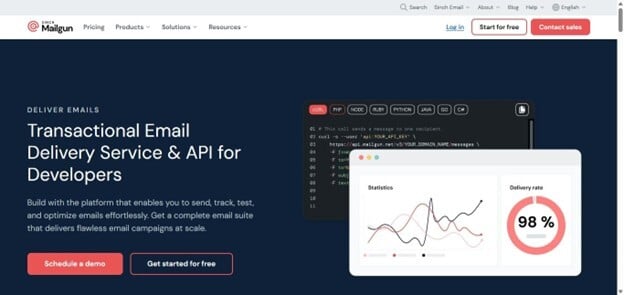
Mailgun is a strong fit when email sits close to the product, not just marketing. Think onboarding, lifecycle triggers, account alerts, usage nudges, subscription updates.
Those emails still affect reputation, and they still need to land consistently. Mailgun gives teams a flexible sending setup with good visibility into bounces, suppressions, and complaint trends.
It’s also helpful when your volume is high, but your sends aren’t uniform. If you’re sending based on events and behavior rather than a single big campaign calendar, you want infrastructure that can adapt without breaking.
Mailgun isn’t flashy. It’s dependable. And high-volume deliverability usually rewards dependability.
4. Amazon SES
Amazon SES is great for one thing: cost-effective volume. If you’re sending hundreds of thousands or millions of emails and you don’t want your software bill to explode, SES is hard to ignore.
It’s built to scale, and it can handle massive send volumes without forcing you into a premium pricing tier.
That said, SES assumes you know what you’re doing. It gives you power, but it doesn’t protect you from sloppy strategy. If your list hygiene is poor or your segmentation is lazy, sending cheaper just means you can damage your reputation faster.
SES is best when you already have discipline in place. Stable cadence. Clean list practices. Gradual scaling. If you’re missing those pieces, SES can amplify problems instead of solving them.
5. Klaviyo
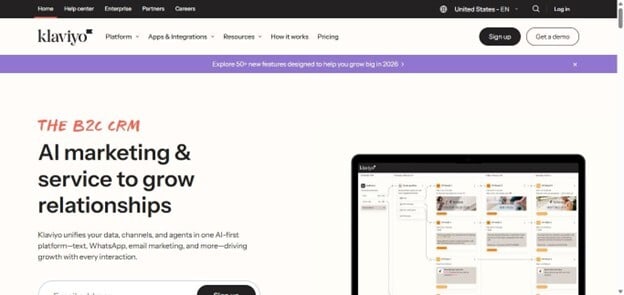
Klaviyo is still one of the strongest options for ecommerce brands sending at volume, especially when revenue is driven by segmentation and lifecycle flows.
The reason it works is relevance. Instead of blasting everyone with the same message, Klaviyo encourages behavior-based sending.
Browse patterns, purchase history, time since last order, predictive segments. That kind of targeting protects deliverability because engaged people keep engaging.
And when you’re sending frequently, relevance is not optional. It’s what keeps inbox providers from deciding your emails are background noise.
The main risk here is over-automation. It’s easy to build too many flows and flood a customer without realizing it. High volume doesn’t only mean “more sends.” It means more opportunities to annoy people.
6. Google Postmaster
 Google Postmaster Tools isn’t an ESP, but it might be one of the most important tools in a high-volume stack if your audience includes Gmail users.
It shows you how Gmail views your sending reputation. Spam rate trends, domain reputation, delivery errors, and volume patterns. The kind of signals that explain what’s happening before you notice it in campaign performance.
What’s interesting is how often Postmaster Tools reveals the real story. A list segment is causing complaints. A reputation drop after a volume spike. A sudden shift after a new sending stream went live.
It won’t fix anything for you. But it gives you the truth. And at scale, you want truth early, not after the damage is done.
7. GlockApps

GlockApps helps answer a question teams guess at way too often: where are our emails actually landing? Inbox, promotions, spam, or blocked.
At high volume, you don’t want to find out you’re in spam after you’ve already sent to 300,000 people. GlockApps gives you placement testing across mailbox providers so you can catch issues early, especially during:
- Domain transitions
- Template changes
- Aggressive promotional periods
- New sending tools or subdomains
It’s basically a warning light on the dashboard. You still need to drive carefully, but it helps you avoid surprises.
8. EasyDMARC
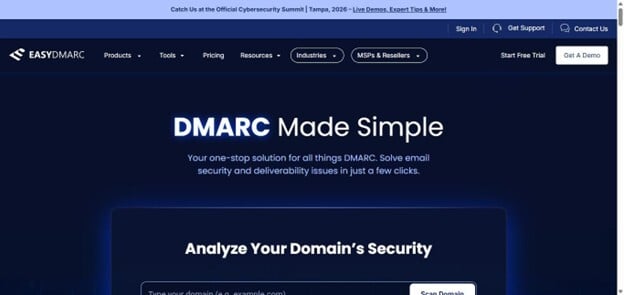
Authentication issues are rarely dramatic. They’re slow, quiet, and annoying. And they’re also one of the fastest ways to lose trust when your setup becomes complex.
As teams grow, more platforms get added. More domains get used. More people touch DNS settings. SPF and DKIM drift. DMARC alignment gets inconsistent. Nothing “breaks,” but inbox placement starts slipping in ways that don’t look connected.
EasyDMARC helps you monitor and manage authentication without waiting for a major failure. It’s the kind of tool you don’t think about when things are going well. Then one day, you’re glad it’s there.
9. MXToolbox
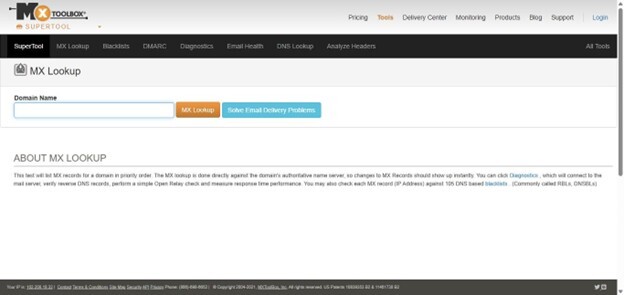
MXToolbox is the quick diagnostic tool that earns its place when something feels off, and you need answers fast.
Blacklist checks, DNS lookups, SMTP tests, and basic reputation signals. You might not use it daily, but it’s incredibly useful when performance drops and the team is trying to figure out whether it is content, list quality, or infrastructure.
It’s a simple tool, but the kind that prevents wasted hours of guessing.
The Stack Only Works If You Use It Like A System
A lot of teams buy tools hoping the tools will fix their sending. But tools don’t fix behavior. They support it.
High-volume email works best when you treat deliverability like maintenance, not an emergency. That means monitoring patterns even when things feel stable, because trust is earned slowly and lost quickly.
Right before you scale a major campaign, it’s worth thinking of these as Email deliverability optimization tools, not “nice extras.” They’re the guardrails that keep high-volume sending from turning into a reputation problem you spend months recovering from.
The Bottom Line
Sending a million emails isn’t hard. Plenty of platforms can do that. The hard part is making sure those emails stay welcome. In the inbox. Not filtered, throttled, or quietly buried.
If you want high-volume sending without issues, the winning formula stays boring on purpose: send consistently, segment intelligently, protect your reputation, and don’t ignore the early warning signs.
Do that, and scaling stops feeling like a risk. It starts feeling like a real advantage.