Elon Musk's appearance has been the subject of public fascination for years. From his early days in Silicon Valley to his current role as chief executive of Tesla and SpaceX, his look has shifted in ways that have sparked widespread discussion.
In 2024, Musk himself confirmed using the GLP-1 drug Mounjaro, which has raised questions about how much of the change is tied to weight loss versus natural ageing. The conversation intensified after his 2024 social media post in which he jokingly referred to himself as 'Ozempic Santa' before clarifying that he was using Mounjaro.

Early Years: Fuller Face and Startup Grind Look
In the early 2000s, during his PayPal days, Musk had a softer, rounder appearance.
Photos from that period show fuller cheeks, a heavier build, and a more relaxed style that reflected his startup years.
His hairline was also visibly thinner at the time, something that later became another point of public discussion as his look evolved alongside his career.
Mid-Career: Tesla Rise and Noticeable Weight Gain
By the mid-2010s, as Tesla and SpaceX grew rapidly, Musk's public appearances showed a heavier frame.
At product launches and press events, he often appeared with a broader face and more pronounced weight gain compared to his earlier years.
This phase is what many viral 'before' photos now reference, especially images from around 2018 to 2020.
The 2022 Turning Point
A noticeable shift began around 2022, when Musk openly spoke about losing weight. He mentioned dropping around 30 pounds through a mix of diet changes, intermittent fasting, and weight-loss medications.
That period marks the start of the leaner version of Musk seen today, with early signs of a sharper jawline and reduced facial volume becoming visible in public appearances.
2024–2026: Shift Towards A Much Leaner Look
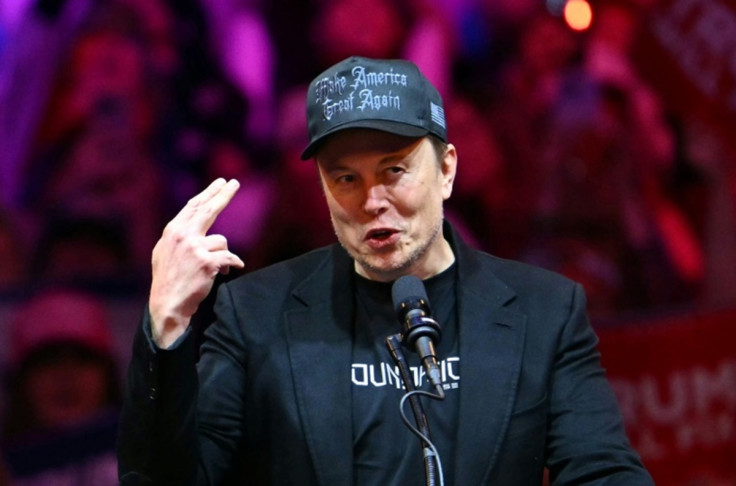
The most dramatic comparisons come from recent years. By late 2024 and into 2026, Musk appeared significantly slimmer, with a more angular face, reduced cheek volume, and a visibly tighter overall frame.
Ozempic Santa pic.twitter.com/7YECSNpWoz
— Elon Musk (@elonmusk) December 26, 2024
The viral moment came when Musk posted a Santa-themed photo on social media in December 2024, jokingly calling himself 'Ozempic Santa' before clarifying he was using Mounjaro. That post triggered widespread sharing of side-by-side images comparing his earlier look to his current one.
What Is 'Mounjaro Face' and Is It Real?
The term 'Mounjaro face' or 'Ozempic face' is a term that has been widely used online to describe celebrities' transformation, but it is not a medical diagnosis. It's a casual way people describe facial changes that can happen after significant or rapid weight loss.
Doctors explain that when body fat drops, facial fat can also reduce, making cheekbones appear more prominent and the face look thinner or older. The effect varies from person to person and depends on factors such as age, skin elasticity, and the rate of weight loss.

Such changes have also been reported in some individuals using GLP-1 medications like Mounjaro, although not everyone experiences noticeable facial differences.
Musk has not commented on any facial changes directly. His public statements have focused only on using medication and lifestyle changes to improve his health.
Not Just Medication: Other Factors Behind the Change
While Mounjaro has been part of the conversation, it is only one piece of the picture. Changes in Musk's appearance can also be linked to natural ageing, grooming, lighting in photos, and even posture.
Over the years, he has also appeared to address hair loss, which further contributes to how different he looks in older versus newer images.
The interest in Musk's transformation is driven by the sheer visibility of his career. Few public figures have such a long photographic record, from early startup days to global fame, making his evolution unusually well-documented.