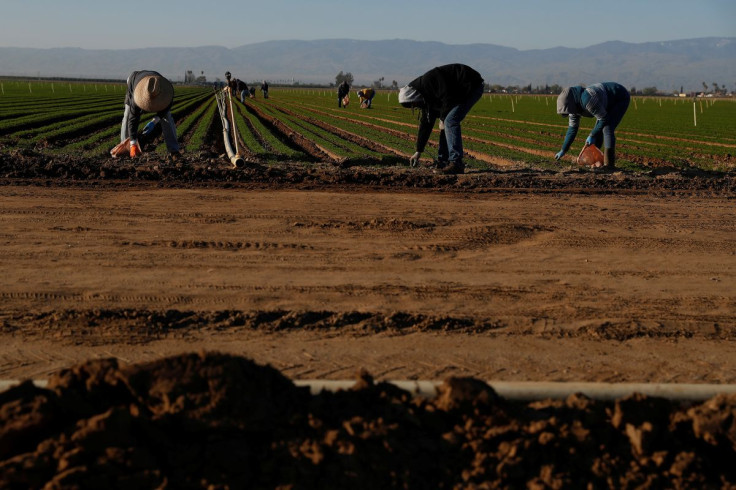
According to a National Agricultural Statistics Service (NASS) report, the number of agriculture farms in the U.S. stood at almost 2 million in 2022, making agriculture one of the largest and most critical industries in the nation. The importance of food production has been highlighted in recent years, especially during the COVID-19 pandemic. With food supplies being horrifically low, people started wondering, "What steps can we take to balance supply and demand once and for all?"
The typical agriculture supply chain involves several stakeholders starting from farmers to brokers and distributors, to retailers and consumers. Each step requires multiple decisions, posing farmers and retailers with risks and uncertainties like food waste, unpredictable yields, and many more troubles of the complex agriculture industry. In response to systemic issues, high-tech services have been proposed as a cure-all, but companies are lacking an all-in-one agnostic farm-to-shelf solution.