For those who’ve dismissed the proceedings of the House select committee investigating the Jan. 6 attack on the U.S. Capitol last year as more about political theater than accountability, the testimony from Cassidy Hutchinson should change their minds. The one-time top aide to Mark Meadows, then-President Donald J. Trump’s chief of staff, dropped bombshell after bombshell during her surprise appearance on Capitol Hill on June 28.
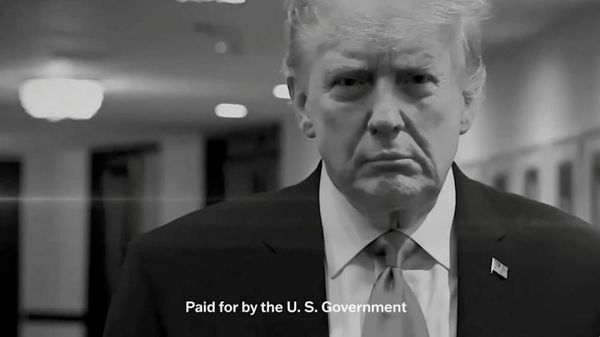
Some of the testimony — like the revelation that Trump’s tantrums included throwing his lunch against the wall — was more obnoxious than felonious. But far more troubling is what would seem to be clear evidence of the president’s involvement in a criminal enterprise: According to Hutchinson, Trump knew full well that his supporters were armed and therefore had to recognize that, in dispatching them to the Capitol, he was directing an armed insurrection to overturn the lawful results of the 2020 election.
Politics is politics, but crime is crime. It’s safe to assume that the U.S. Department of Justice under Attorney General Merrick Garland is naturally reluctant to indict a former president. After Richard M. Nixon resigned from office in disgrace in 1974, then-President Gerald Ford pardoned him for any crimes committed while in office. Ford justified the action as an attempt to heal deep political divisions in the country. And while some may have seen this as a noble self-sacrifice of Ford’s own political career, that clearly wasn’t his expectation. More significantly, it freed Nixon from true accountability despite the overwhelming evidence of his role in the Watergate cover-up, demonstrating to the nation and the world that a U.S. president is above the law. That is a precedent that must not be repeated in 2022.