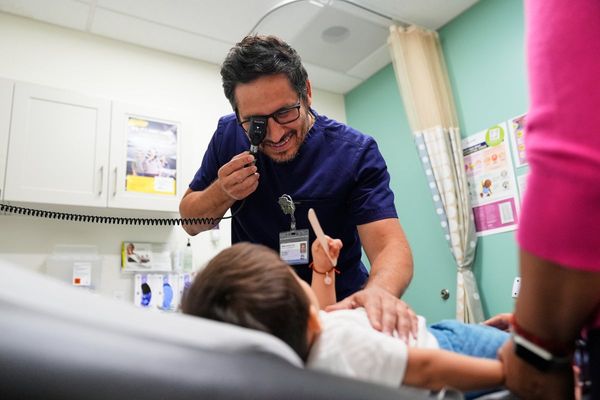
The US nursing workforce is shedding workers. About 100,000 nurses quit or retired during the pandemic, while another 800,000 have signaled an “intent to leave” by 2027. And yet, the country is failing to tap an available group of qualified health-care workers: immigrants. While there’s no single fix for the US’s nursing shortage, a more efficient system to bring in foreign-trained professionals would go a long way toward easing it.
Immigrants comprise about 16% of registered nurses and have been a crucial part of the health-care workforce for decades. Even so, the US lacks a dedicated pathway for foreign-trained nurses to work in the country. Most come through the employment-based immigration system, which is capped at 140,000 green cards per year for all applicants and their family members. Of that number, roughly 40,000 are allocated to “skilled workers, professionals and other workers,” a category that includes nurses. Because most of those green cards are awarded to workers already in the country, only 10,000 to 12,000 visas are available each year for new foreign-trained nurses.
That’s insufficient to meet America’s health-care needs. Roughly 60% of the population has a chronic disease and a fifth will be above the age of 65 by 2030. According to the Bureau of Labor Statistics, the US will need to fill more than 200,000 vacancies for RNs each year, on average, through 2031. Far from allowing more nurses to come to the US, however, the government is making it even harder. Last month, the State Department said it would delay visa processing amid surging demand, leaving thousands of nurses in limbo.