For all the attention given in recent days to the “Will they or won’t they?” speculation over the criminal prosecution of Donald Trump to the latest claim of liberal “wokeness” in some educational venue, you can bet that Americans will not spend nearly enough time educating themselves on the latest report from the U.N. Intergovernmental Panel on Climate Change. The tragedy of this is readily apparent. It is another reminder of the old saw about how to boil a frog: If you drop it in boiling water, it will jump out to save itself. But stick it in a pot of lukewarm water and light a fire underneath, and the frog won’t realize its disastrous circumstances until it’s too late. For those who have not bothered to read about the IPCC report that came out on Monday, here’s a quick summary: We are the frog. The earth is the pot. And we have about a decade left before the big catastrophe.
Let’s be clear: We’re not here for the political finger-pointing. There simply isn’t time for that. And if we did engage in it, we’d have to acknowledge that neither of the political parties is free from blame. A lot of Republicans may be in science denial mode, but President Joe Biden’s recent decision to approve the Willow Project in northern Alaska suggests insufficient concern about the additional 9.2 million metric tons of carbon that oil drilling project is anticipated to unleash annually upon the world. Those new jobs must sure be important if they are worth dooming so many other human beings around the planet — including many fellow Americans. But maybe that’s just what the frogs who have noticed we’re sitting in a hot pot are saying.
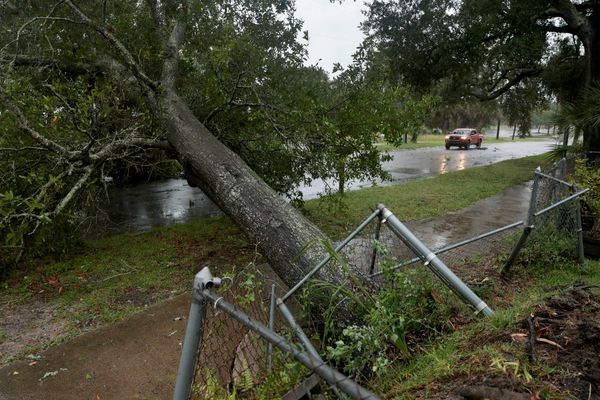
What leading climate scientists have concluded is that a drastic transformation is needed if we are to prevent catastrophic global warming within the coming decade. That means getting off fossil fuels a lot faster than is currently happening. Without that, the world will see the feared 2.7-degree Fahrenheit temperature increase in the first half of the 2030s, a point at which it will be much more difficult to address the resulting flooding, droughts, heat waves and other weather disasters, lost crops and pandemics that will be unleashed. A lot of nations agreed to try to meet this target in the Paris climate agreement eight years ago. But continued greenhouse gas emissions have demonstrated energy policy changes to date have been woefully insufficient.