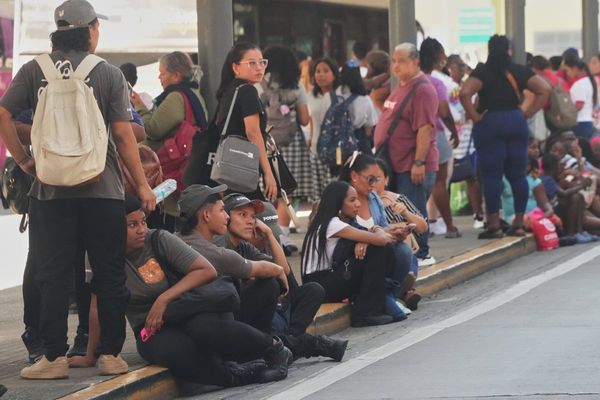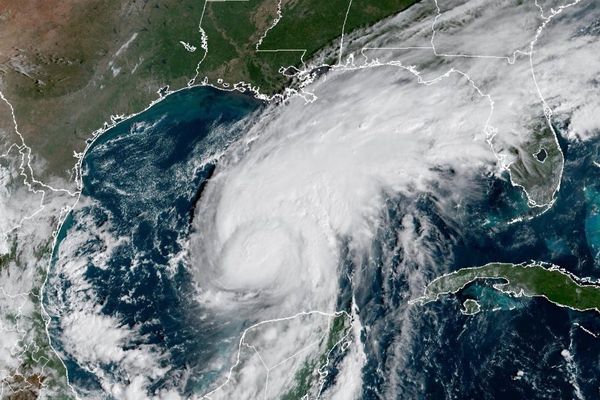

It is the year 2050. The Blue Nile has almost run dry, starved of the rains at its source that were historically sustained by atmospheric rivers flowing from the Congo Basin rainforests. Nearly half a billion people across the Sahel, the Horn of Africa, and north of the Sahara are now on the move, fleeing the devastating impact of droughts, famine, and water wars, the result of allowing unmitigated climate change to get out of control decades earlier. Despite the evidence of their critical ecological importance, we stood by while the Congo Basin, the heart of Africa, the Earth’s second great rainforest, was decimated by human activity, deforestation, and climate change. Losing the earth’s second lung proved fatal for many ecosystems, human populations, and even entire nations—shattering the security and stability of the continent and indeed the whole planet.
This may sound too alarmist or far-fetched to be true—but science suggests that we are hurtling toward this alternate future because of our inactivity and negligence in the face of climate change.