
Lawmakers in Washington crank up the heat on EA’s massive $55 billion sale to a group led by Saudi Arabia’s Public Investment Fund (PIF). In recent times, more than 40 House Democrats from the Congressional Labor Caucus fired off a letter to the Federal Trade Commission (FTC), demanding a thorough investigation into how the deal could affect the American video-game industry and its workers.

US Lawmakers Push Back On EA Sale

The timing’s no accident. The pushback dropped on January 27, 2026, just after EA’s shareholders gave their approval back in December. The deal itself was announced last September, and it’s an all-cash buyout with PIF taking the major control (93.4%), and the rest followed by Silver Lake and Affinity Partners.
PIF’s rolling over its old 9.9% stake, and there’s $20 billion in debt piled on top. The parties involved aim to close the deal in the first quarter of fiscal year 2027. But, FTC is pushing back hard on the deal, saying it could affect US’s gaming industry as EA is one of the biggest publishers in the US.
Unions and gamers have been skeptical in general from the start. Worried about “sportswashing” and layoffs, especially given EA’s layoff history and PIF’s big moves in esports like ESL and FACEIT.
In the letter, the Labor Caucus chairs warn about wage cuts, studio shutdowns, and anti-competitive risks tied to PIF’s growing global outreach. They’re pressing the FTC to weigh these risks seriously, stating “Careful scrutiny is essential,” pointing to the FTC’s 2023 rules on worker protection.
EA’s headquarters aren’t going anywhere; it’ll stay in Redwood City, with CEO Andrew Wilson still holding the reins. However, all that new debt has sparked layoff fears. The industry’s already shaky, and layoffs have become too common. PIF’s gaming spree continues, though, buying up everything from Nintendo shares to Savvy Games Group.
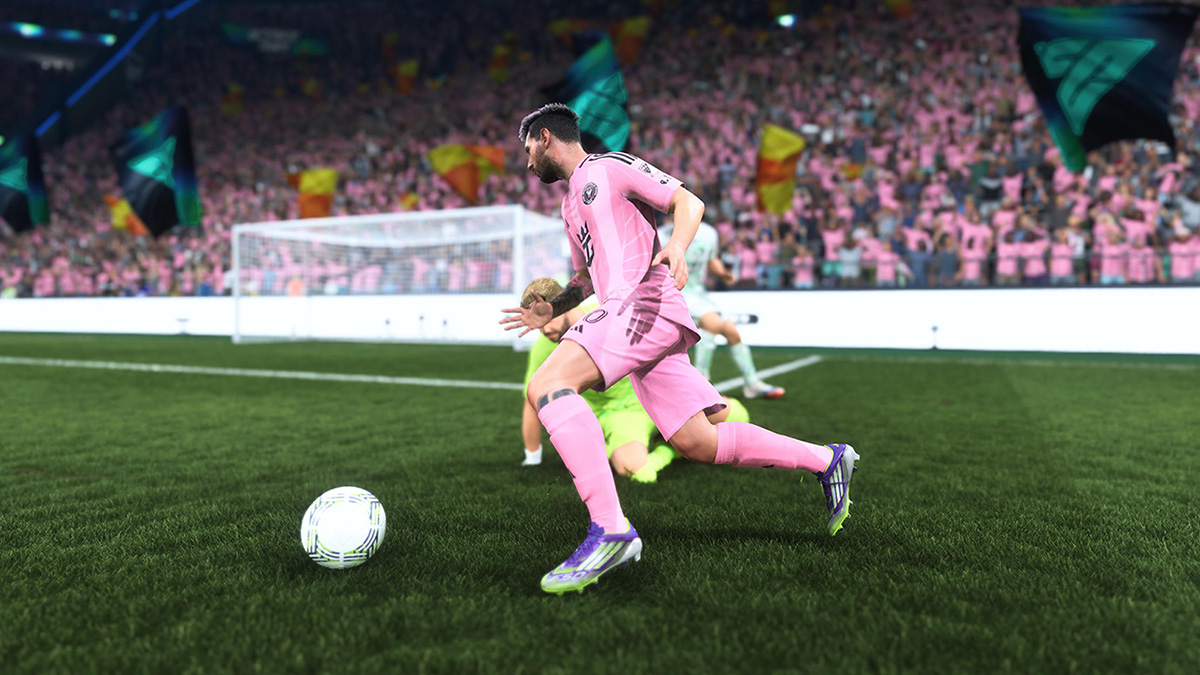
For any sports gamer hooked to EA FC or Madden, this deal could have both bad and good effects. Now it’s up to the FTC: Do they let this powerhouse deal through, or hit the pause button on Riyadh’s rising empire? For now, everyone’s got their eyes on the regulators, trying to guess which side the FTC leans towards.