
Flush with Saudi money and eager to close its pending acquisition, EA reports a "record" financial year in its latest fiscal release.
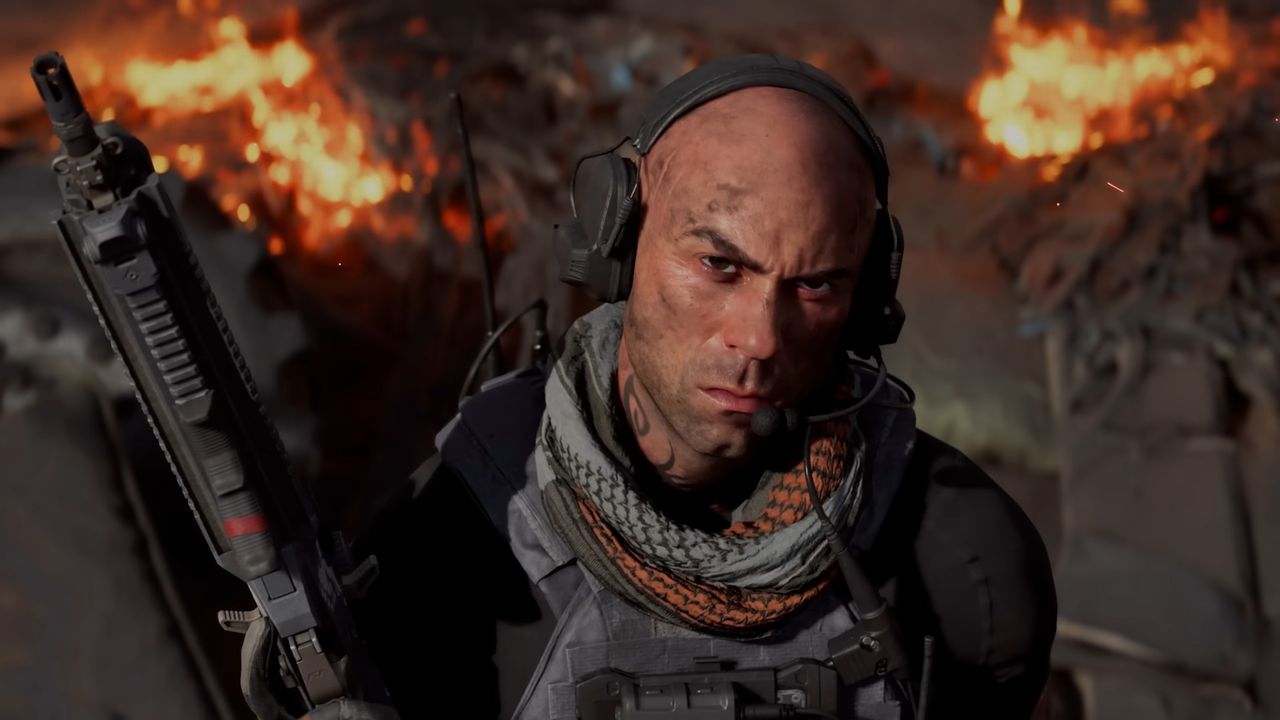
The company's net bookings, up 9% year on year to $8.026 billion, were buoyed by Battlefield 6, dubbed "the best performing Battlefield" in a fiscal year. After an explosive launch, Battlefield 6 went on to set "numerous" records for the franchise, EA says.

You may recall that Battlefield 6 was made by developers who were hit with widespread layoffs in March as EA proved once again that demonstrating an ability to make good, critically acclaimed, and hugely profitable games will not shield you from the whims of investors.
Following these layoffs, Battlefield 6's momentum dropped throughout the year. A newly announced roadmap hopes to win players back through way more maps and features.
EA also makes its billions through in-game monetization and its library of sports games, of course, reporting "mid-single-digits" growth in net bookings across EA Sports FC 26, FC online, and FC mobile.
Apex Legends even gets a mention in the report, with EA praising the game's "strongest" quarter of the year "reflecting continued momentum as engagement and monetization continue to improve."
No earnings call was held alongside the report due to EA's pending acquisition. "There are a limited number of regulatory reviews outstanding, and the parties are working diligently to complete these remaining reviews," EA says of the deal, which would see it go $20 billion in debt but, the company insists, not compromise its "creative freedom and player-first values."
Multiple analysts told GamesRadar+ last year that they expect a post-buyout EA to double down on live services and sports at the expense of "new ideas and innovation," with studio closures and layoffs looking unavoidable – much to the dismay of Bioware fans, who were already hanging on by a thread. The silver lining here, analysts speculated, is that EA may also pawn off some IP, letting other people actually do something with them.
Despite assurances otherwise, there are also concerns that, under the company's new owners, led by Saudi Arabia's Private Investment Fund, series like The Sims will face new censorial pressure. Developer Maxis stressed earlier this year, clearly responding to those concerns, that "creative control, guided by our values of inclusivity, choice, creativity, community, and play, has not changed."