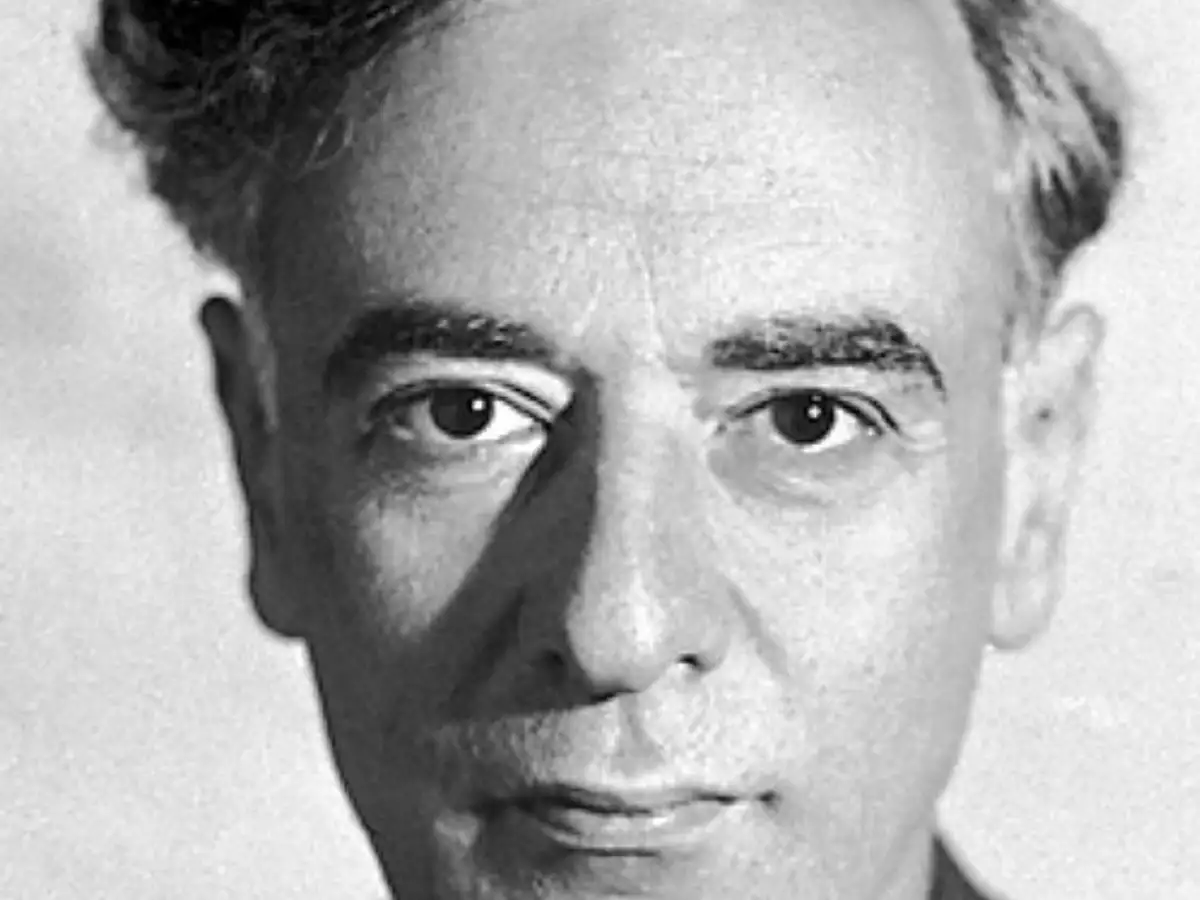
Long before elite universities turned advanced physics into a global academic pursuit, Soviet physicist Lev Landau created an exam so demanding that even talented physicists could struggle to pass it. Known as the “Theoretical Minimum,” the test became one of the defining features of Landau’s legendary scientific school.
Landau, who won the 1962 Nobel Prize in Physics , expected his students to demonstrate far more than the ability to memorize formulas. They had to understand the underlying principles of physics and apply them to unfamiliar problems.
The examination covered a broad range of theoretical physics, including mechanics, electromagnetism, quantum mechanics, statistical physics and other advanced subjects. Students seeking to work with Landau were expected to pass these examinations before becoming full members of his scientific school.
The reputation of the exam was formidable. Landau reportedly expected students to develop a deep, connected understanding of physics rather than simply master individual topics. A candidate could be questioned on fundamental concepts and then challenged to use them in ways that exposed whether they genuinely understood the subject.
The exam was also part of Landau’s unusual approach to training scientists. He wanted physicists who could think independently, move between different areas of physics and solve problems from first principles.
Only a relatively small number of students managed to complete the full sequence of examinations associated with Landau's theoretical training. Those who did included some of the Soviet Union’s leading physicists.
The Theoretical Minimum eventually became almost as famous as Landau’s scientific work. It represented his belief that becoming a great theoretical physicist required more than intelligence or an impressive academic record. It required an unusually deep command of the basic ideas of physics—and the ability to think with them.
That philosophy helped make Landau’s school one of the most influential centers of theoretical physics in the 20th century.