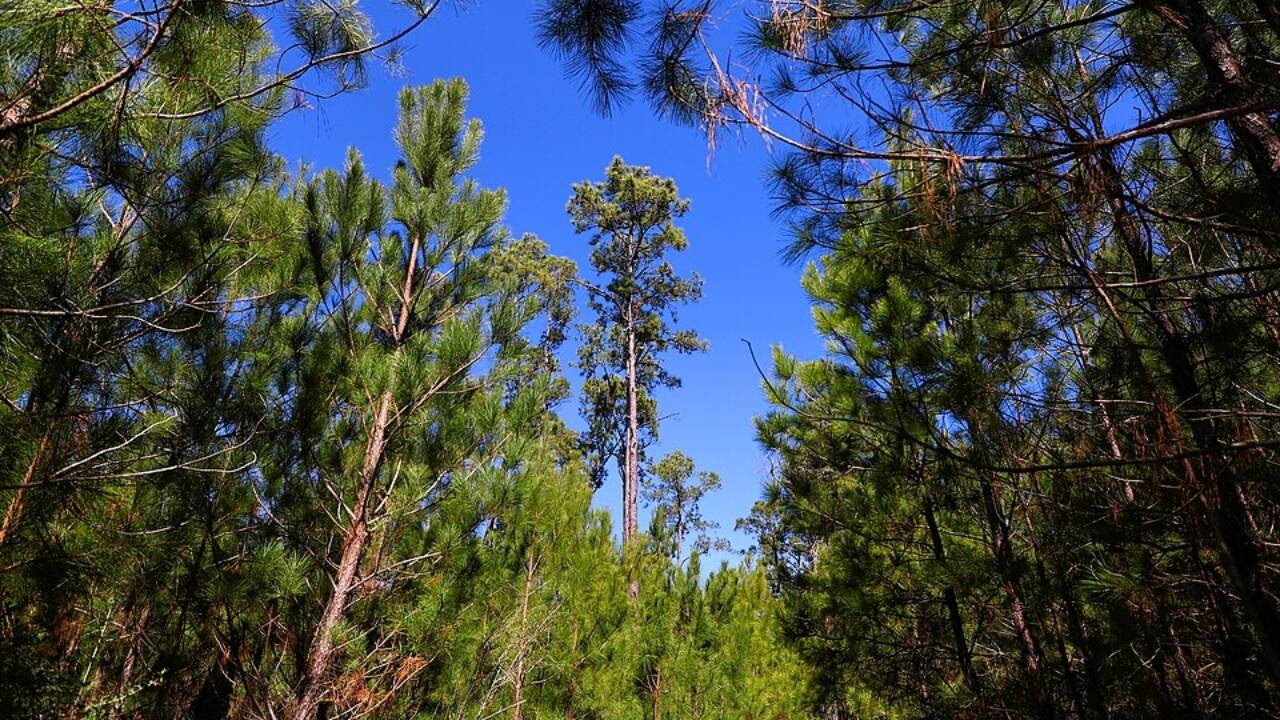
In a forest outside Durham, North Carolina, Duke University spent over a decade testing a simple question: what happens when mature trees grow in air containing relatively more carbon dioxide than they normally experience? The long-running Free-Air Carbon Enrichment (FACE) experiment exposed forest plots to elevated carbon levels under open-air conditions instead of enclosing the trees in chambers. By 2007, researchers reported that after a study of over 10 years, the treated, loblolly-pine-dominated plots had produced around 20% more biomass on average than matched plots receiving ambient carbon dioxide levels.
Get breaking news anytime, anywhere. Download the TOI app now!