Farmers are welcoming extra support measures including access to financial counselling and expanded loans amid widespread drought conditions.
The cap on loans accessible to NSW landowners for sustainability-focused drought projects will be doubled to $500,000, the state's agriculture minister says.

A loan scheme offering up to $100,000 for immediate assistance with fewer document requirements will also be introduced.
NSW Farmers Rural Affairs chair Glen Andreazza said severe rainfall shortages would challenge some farmers beyond what they could prepare for.
"Close to half the state is drought-affected and we're encouraging farmers to engage and talk to the drought co-ordinator about what's going on and their pain points," he told AAP.
"The initial supports announced by the minister are good, but government must continue to monitor the situation and adjust as needed as the dry expands across the state."
Agriculture Minister Tara Moriarty said farmers could access financial support in a faster, easier and cheaper manner.
"This enables us to direct funding in times of drought to the practical, cost-effective support that makes a real difference," she said.
Almost $2 million will be set aside for a free financial counselling service for eligible farmers at risk of hardship due to drought.
Funding for controlling feral pigs, deer and kangaroos will be boosted to stop them competing with livestock for scarce resources.
While free feed and water testing kits will be rolled out to help farmers plan for drought, subsidies won't be introduced for the items themselves.
"There have been some calls for transport and feed subsidies, but expert advice ... showed they provide very low value for money," Ms Moriarty said.
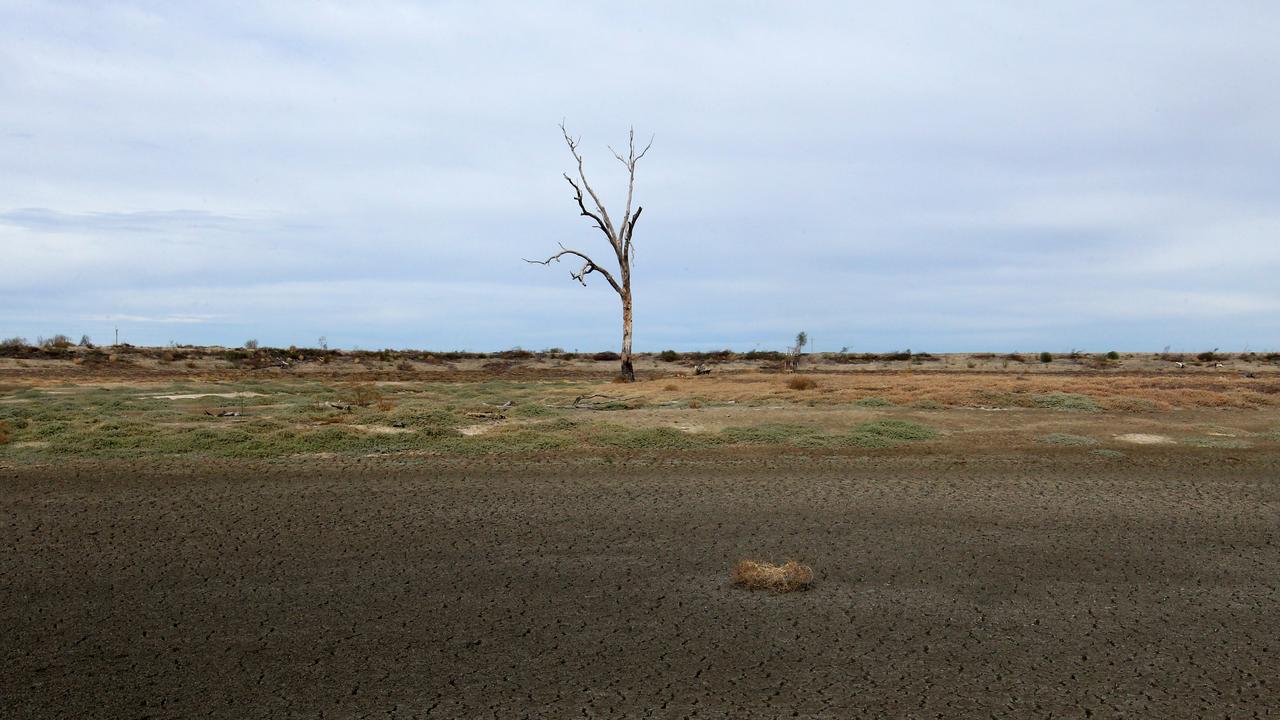
Significant swathes of south and west NSW are classified as drought-affected, while almost half of the Snowy Valley area is in a declared drought.
Below-average rainfall continues to be a concern for farmers across Australia.
Most of NSW, Victoria, Tasmania and South Australia have experienced some of their lowest January rainfall totals since 1900.
Declining surface water storage in the country's largest river system is becoming an increasing problem for growers.
Levels dropped about five per cent across Australia and 14 per cent in the Murray-Darling Basin in 2025, according to the Bureau of Meteorology.