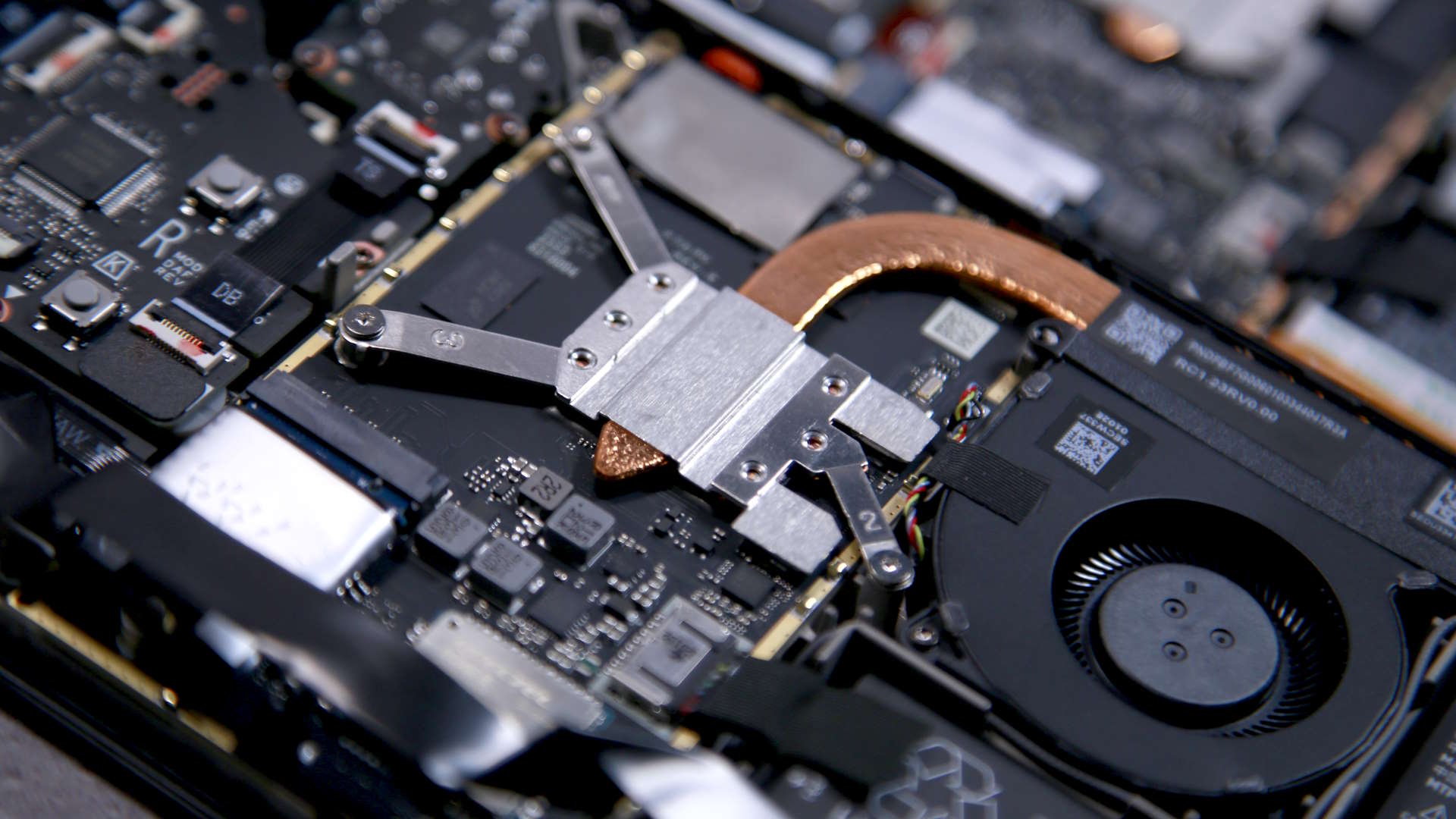
There's one thing that handheld gaming PCs, some laptops, and most phones all have in common, and it's the use of LPDDR5X for the system memory. While fast in speed and low in power usage, it doesn't offer a lot of bandwidth, so the fact that SK hynix is set to start mass production of its next-gen LPDDR6 this year is good news. The bad news is that the DRAM maker seems hell-bent on selling this to the AI crowd.SK hynix's announcement that it has successfully validated its LPDDR6 design on a cutting-edge process node is genuinely good to hear, simply because the performance of most handheld gaming PCs is held back by the fact that the memory they currently use is a bit rubbish at offering lots of VRAM bandwidth.Let me explain. DDR5 memory, as used in millions of desktop PCs around the world, is pretty good stuff, thanks to high clock speeds and twin, independent 32-bit data channels. LPDDR5 and its higher clocked cousin, LPDDR5X, utilise a bunch of tricks to reduce power consumption, but they also have to use narrow data channels, either two 16-bit or one 32-bit.So while the likes of the Asus ROG Xbox Ally X have super-fast LPDDR5x-8000, the bandwidth on offer is equivalent to DDR5-4000.This is one of the things that LPDDR6 partly resolves, as it uses twin 24-bit data channels, and the technology supports higher clock speeds than LPDDR5X. With all the new updates combined, the new low-power DRAM is at least 33% faster than the best LPDDR5X, even at its base data rate of 10.7 Gbps.