Get all your news in one place.
100's of premium titles.
One app.
Start reading
The Economic Times
The Economic Times
Team Global

Dracula's castle has a new owner, and he comes from the United States

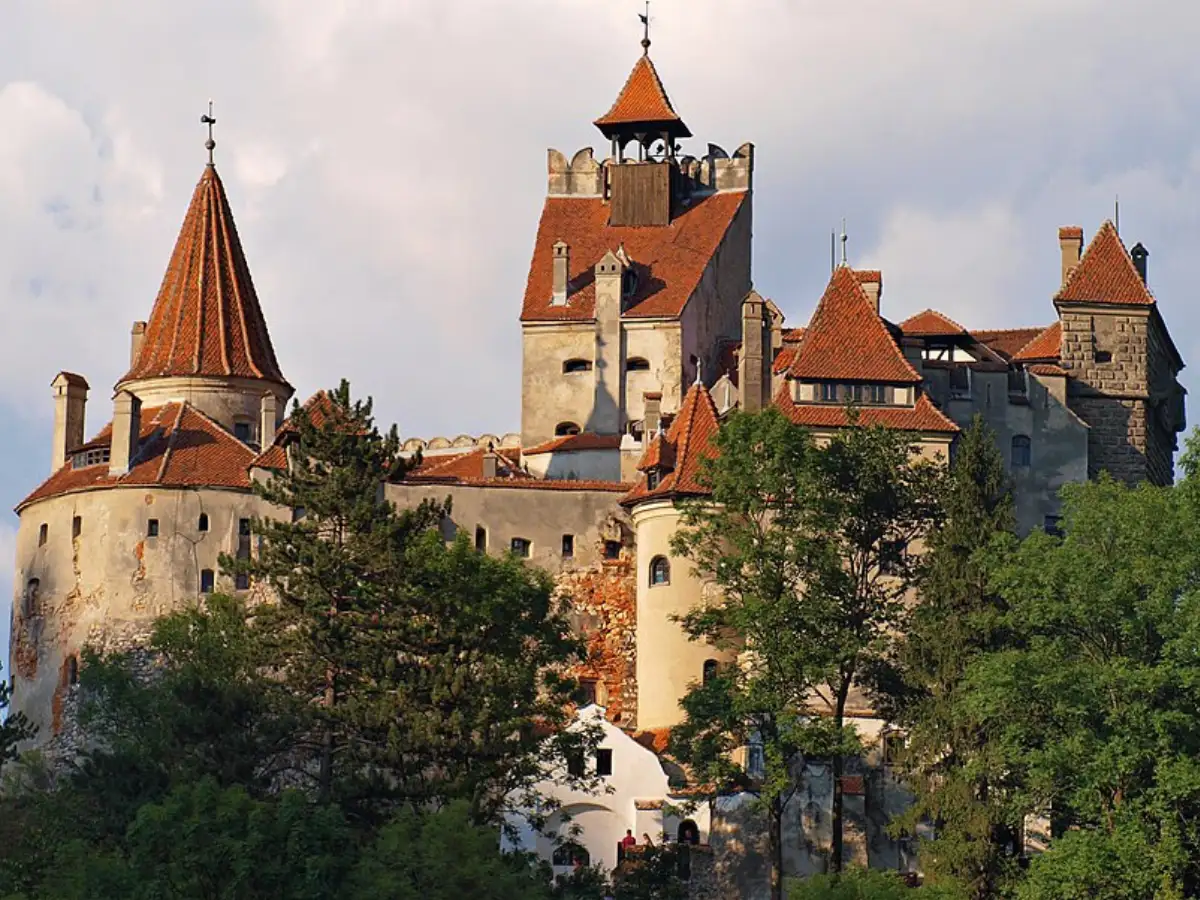
Joel Weinshanker has an interesting business card. He runs Elvis Presley's iconic Memphis home, Graceland. He's the man behind Party City and Chia Pet. Now he is the majority owner of Bran Castle in Romania, the fortress known worldwide as Dracula's castle.

According to People, his company, Ad Populum, recently acquired an 80% stake in Bran Castle's business operations from the Bran Domain Management Company (CADB), which had been running the property since 2009. Just to be clear, Weinshanker doesn’t own the stone walls or the Gothic towers. The castle itself is still owned by the Habsburg family, heirs to Princess Ileana, who inherited it from her mother, Queen Marie. But to run the operations of a site that brings in over a million visitors a year and posts nearly $7 million in profit in 2024 alone? That is not a small thing.
Why Americans should care about a Romanian castle

Most Americans stumble upon Dracula when they’re kids, in Halloween costumes, goofy movies, or maybe a trip to a haunted house, but Bran Castle is the real thing. It’s a 14th-century fortress hidden away in the Carpathian Mountains of Transylvania and the country’s most popular tourist attraction.

The castle’s association with the 1897 novel by Bram Stoker is more literary legend than hard history. Stoker never actually visited Romania; he constructed his version of the castle from written accounts available in England. Then what about the character of Dracula? He draws loosely on Vlad the Impaler, a particularly ruthless ruler of Wallachia in the 15th century, who reigned from 1456 to 1462. In other words, the vampire myth is pure fiction layered over real medieval history, which is exactly what makes it such a compelling place to visit.

The dark tourism economy is booming, and someone's cashing in

This is where it gets interesting business-wise. Research published in the International Journal of Tourism Research shows that destinations associated with death, tragedy, or the macabre, a category academics refer to as ‘dark tourism,’ attract an astonishingly broad and emotionally involved audience, from international travelers to inquisitive locals. These are not niche visitors. They are some of the most motivated, high-spending tourists in the world.

131088245

This is clearly understood by Weinshanker. His Graceland playbook is evidence. According to The Conversation, a research-informed analysis of Elvis tourism estimates that around 34 percent of Graceland visitors are under 30 and were born after his death. It's not nostalgia. That’s a brand that’s being rebuilt for a new generation. Graceland has an estimated $600 million a year economic impact on the Memphis economy. He's betting the same formula applies in Transylvania.

What the deal looks like on the street

The deal came after a legal battle over the management of the castle, which was settled in U.S. arbitration, with a court ruling that ultimately returned full control to Princess Ileana's heirs. Immediately after the deal closed, Ad Populum began hiring staff to take care of everything from ticket sales to event organization, maintenance, and guided tours.

The partnership is built on the family providing the legacy and Weinshanker providing the infrastructure, an Ad Populum spokesman explains. The concept is to massively boost tourism from the U.S. and Western Europe, essentially transforming Bran Castle into what Graceland is to rock-and-roll fans, only for the vampire-curious and history-loving set.

The bigger picture: American capital and cultural landmarks

That’s a conversation to be had about what it means when U.S. corporations take over the operations of centuries-old cultural sites. This is nothing new. American entertainment and hospitality companies have been transforming heritage tourism for decades, and it doesn't even have to be a bad thing. Done right, this type of investment produces better infrastructure, broader marketing reach, and more sustainable funding for preservation. Poorly done, it risks turning history into a theme park.

The early signs from the new management at Bran Castle are that at least they know the balance. The castle is still owned by the family. The language of partnership is about stewardship and cultural landmarks, not just dollars.

Weinshanker’s ability to do in Transylvania what he’s done in Memphis, turn a mythic American icon into a living, economically thriving destination, is a story worth watching. For the time being, Dracula has a new business partner, and he's from the States.

Sign up to read this article
Read news from 100's of titles, curated specifically for you.
Already a member? Sign in here
Related Stories
Top stories on inkl right now
One subscription that gives you access to news from hundreds of sites
Already a member? Sign in here
Our Picks
Fourteen days free
Download the app
One app. One membership.
100+ trusted global sources.