
Get all your news in one place.
100's of premium titles.
One app.
Start reading
Woman & Home
Woman & Home
Lifestyle
Emily Smith

Don't make the mistake of assuming this common invasive plant has perished in the hot weather

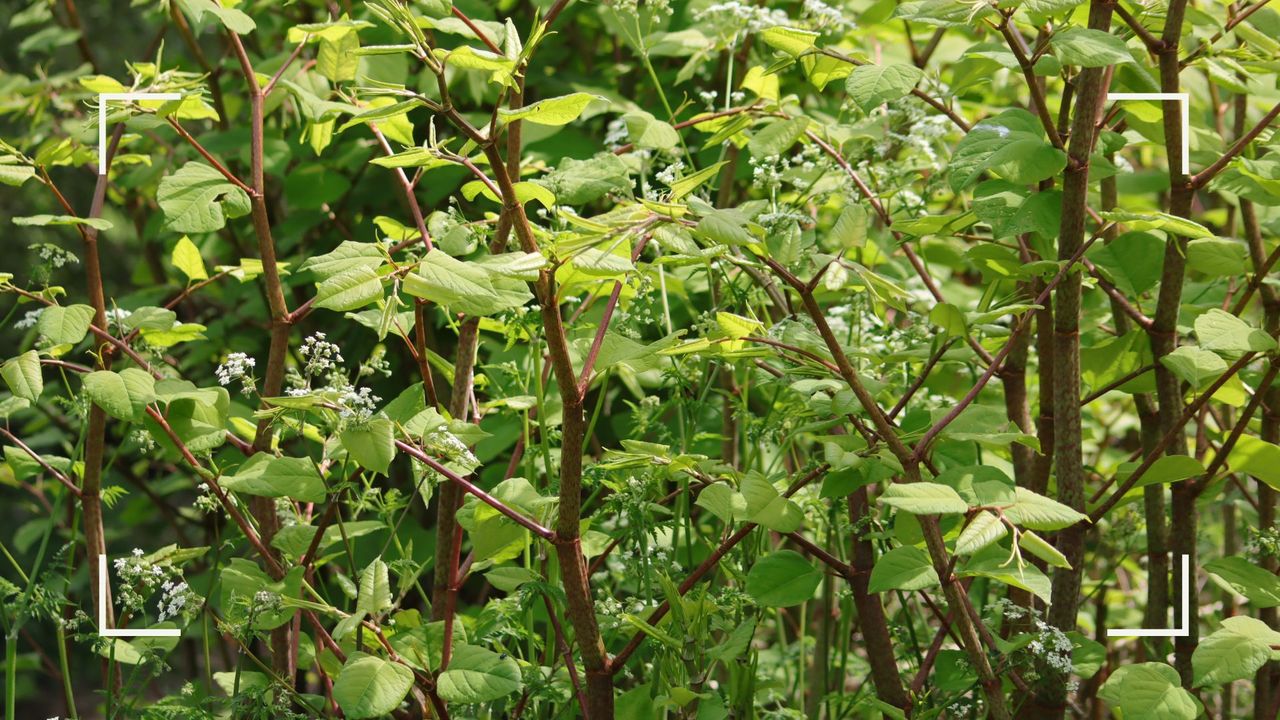
Picture of fully grown japanese knotweed in garden.

With the recent hot, dry weather we've been having, our gardens are looking a little sadder than usual, with many of our favourite plants perishing with every passing heatwave. You might be thinking the silver lining of all this is that the invasive plants you've been trying to get rid of will also die, but that's not necessarily the case.

There are quite a few common invasive plants that could be wreaking havoc in your garden, but one species in particular is extremely stubborn and hard to get rid of. Japanese Knotweed is every gardener's and homeowner's nightmare for a reason; it's incredibly fast-growing and nearly impossible to remove without calling in experts.
And whilst the hot weather might've helped get rid of weeds in your garden, experts from Japanese Knotweed Ltd are here to tell you that the same is not true for this pesky invasive plant.

Don't assume this invasive plant has perished in the heat

If you've been suffering from a Japanese knotweed issue, you may have hoped leaving it out of your garden heatwave prep would have killed it in the hot weather. Unfortunately, this is not the case.

"While other plants will struggle in the drought due to a lack of water, Japanese knotweed carries on almost unfazed! This plant can survive extreme temperatures from prolonged heatwaves to sub-zero," says Jennifer Holmes from Japanese Knotweed Ltd.

“Many homeowners assume that hot, dry weather will kill off Japanese knotweed, but this is a common misconception. Although the visible stems and leaves may show signs of stress – wilted leaves and stems - during periods of drought, the plant remains alive, with its extensive rhizome system conserving and storing energy and allowing it to pick up when conditions become more favourable," she adds.

The main issue is that non-native plants such as Japanese knotweed have a greater resilience to heatwaves than our native plants. So whilst your favourite cottage garden plants die off, this kind of knotweed can continue to grow despite the weather.

(Image credit: Getty Images)

When you're sorting your garden out this summer, you might be tempted to take matters into your own hands and try to remove the invasive plants. But Jennifer warns against this.

“Homeowners should continue to be vigilant for Japanese knotweed and look out for reddish-purple shoots, bamboo-like stems, zig-zag patterned growth and shovel-shaped leaves. Japanese knotweed can spread rapidly because even small fragments of the plant’s underground rhizome system can develop into new growth," she explains.

“We would urge homeowners not to cut, dig up or attempt to remove suspected Japanese knotweed themselves, as disturbing the plant can spread fragments and make the problem more difficult to manage. It is also deemed as ‘controlled waste’ so disposing of knotweed materials and contaminated soils must be carried out by a licensed contractor," recommends Jennifer.

Don't go adding pruning Japanese knotweed to your list of August gardening jobs; now you know it's not going anywhere no matter how bleak the drought gets, it may be time to call the experts in.

Shop heatwave garden essentials

Mulching your garden's bare soil can be a huge help with conserving moisture and keeping your plants happy even on the driest days during summer.

Water irrigation systems like this one can keep your plants hydrated without you needing to be out in the garden on hot days; some are also allowed during hosepipe bans.

Having a trusty, large watering can by your side is crucial during summer, especially when the heatwaves hit and your watering schedule gets more demanding.

It's important to know whether or not you've got an invasive plant problem in your garden. Many invasive species can actually devalue your home, and you might not even know they're classed as invasive.

Sign up to read this article
Read news from 100's of titles, curated specifically for you.
Already a member? Sign in here
Related Stories
Top stories on inkl right now
One subscription that gives you access to news from hundreds of sites
Already a member? Sign in here
Our Picks
Fourteen days free
Download the app
One app. One membership.
100+ trusted global sources.