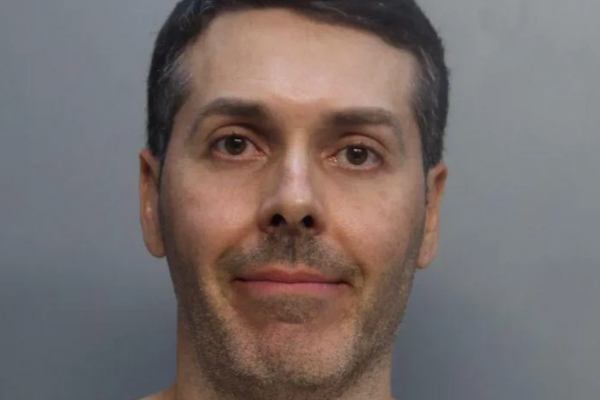
At 5.30pm on 4 November 2015, Sharon Livermore left the office of the recruitment firm where she worked in rural Cambridgeshire and walked across the dark car park to her hatchback. The end of a long, hard day – in fact, several long, hard years – was in sight, and she was beginning to allow herself to feel relieved. Over her lunch break, Livermore had applied for a non-molestation order to stop her estranged husband contacting her. She had reported him to police the previous week after years of severe physical and psychological abuse; he had been arrested and bailed, and Livermore thought the order would mean she never had to see or speak to him ever again. She now views this belief as naive: the assumption of someone who, despite everything, “didn’t really know anything about domestic abuse”.
When Livermore got in her car and turned on the engine, she noticed the windows were clouded by condensation. This struck her as odd; the vehicle had been empty for hours. Briefly, she panicked that her ex was in the car, but when she looked over her shoulder, there was no one there. Livermore gave herself a shake. Exhaustion and stress must be making her paranoid. And then she smelled aftershave.