
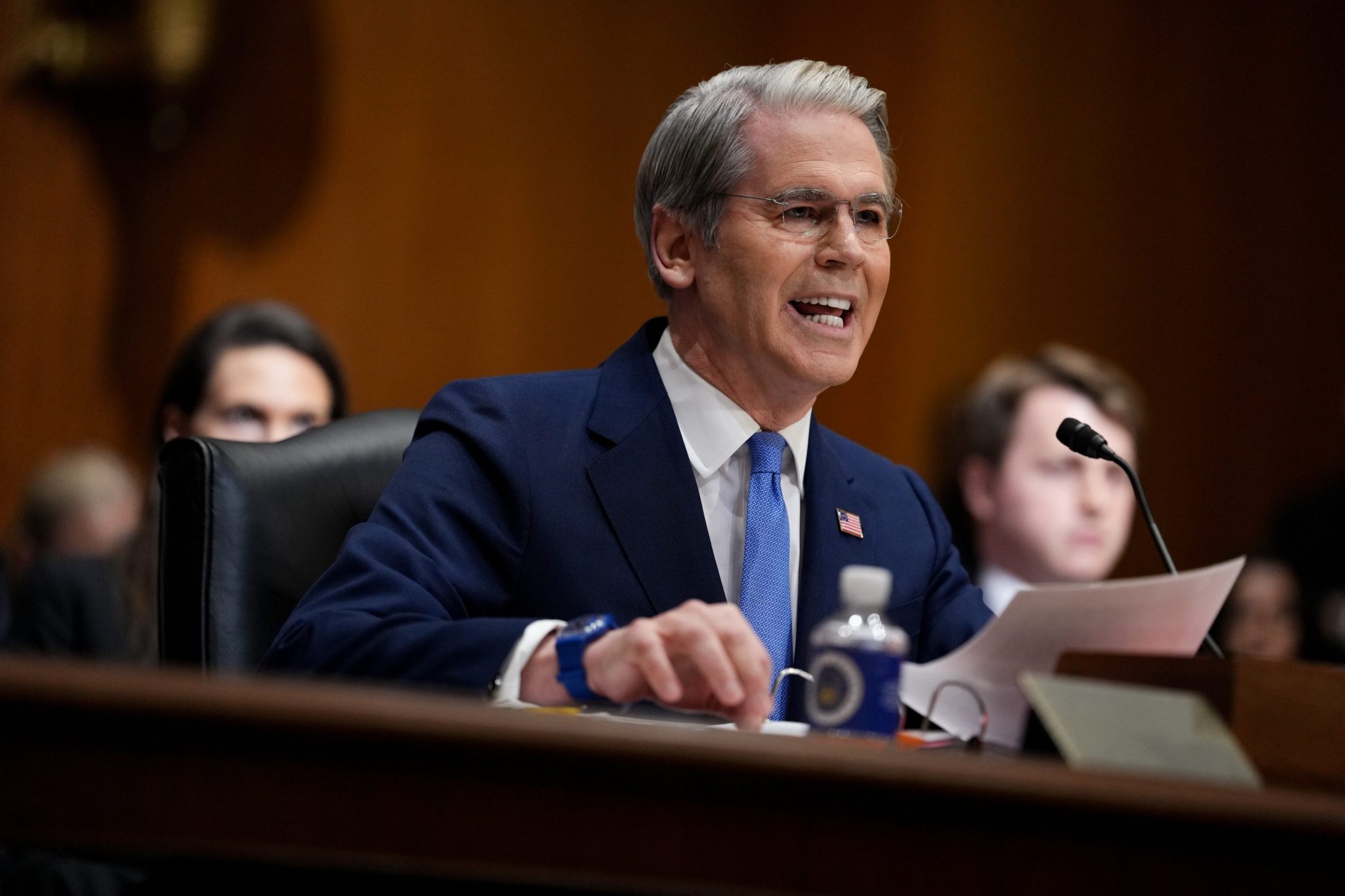
For decades, the U.S. largely held off on approving currency swaps with foreign powers, save for rare circumstances. When it did, the Federal Reserve would trade currencies to shore up international dollar reserves, including at the height of the 2008 financial crisis. The central bank would also sign off on swap lines to restore confidence in dollar markets and prevent fire sales of U.S. assets, as is what happened in the early days of the COVID-19 pandemic.
But for a foreign government to qualify for a swap line during President Donald Trump’s second term in office, however, the requirements seem to be much more simple. Sometimes, all it takes is being friendly to the president.














