The dollar index (DXY00) fell to a 1.5-week low on Monday and finished down by -0.65%. The dollar gave up overnight gains and turned lower as stocks rallied sharply after President Trump postponed attacks against Iranian energy infrastructure and power plants for five days following the start of talks with Iran to end the war, curbing liquidity demand for the dollar. The dollar added to its losses on Monday amid weaker-than-expected US economic news, including the Feb Chicago Fed National Activity index and Jan construction spending.
The US Feb Chicago Fed National Activity Index fell -0.31 to -0.11, weaker than expectations of 0.16.

US Jan construction spending unexpectedly fell -0.3% m/m, weaker than expectations of a +0.1% m/m increase.
Swaps markets are discounting the odds at 8% for a +25 bp rate hike at the April 28-29 FOMC meeting.
The dollar continues to be undercut by a poor outlook for interest rate differentials, with the FOMC expected to cut interest rates by at least -25 bp in 2026, while the BOJ and ECB are expected to raise rates by at least +25 bp in 2026.
EUR/USD (^EURUSD) on Monday recovered from overnight losses and rallied to a 1.5-week high and finished up by +0.44%. The euro moved higher on Monday as the dollar tumbled after President Trump postponed strikes on Iranian energy infrastructure, citing "very good" talks to end the war. The euro added to its gains today after crude oil prices plunged more than -10%, a positive factor for the Eurozone economy, as Europe imports most of its energy needs. Gains in the euro were limited after the Eurozone Mar consumer confidence index fell more than expected to a nearly 2.5-year low.
ECB Governing Council member Peter Kazimir said, "The ECB can do little about the inflation spike in the next few months, but if we judge that the risk of inflation remaining above our target for a prolonged period is significant, we will act with appropriate forcefulness to bring inflation back down to our target."
The Eurozone Mar consumer confidence index fell -4.0 to a nearly 2.5-year low of -16.3, weaker than expectations of -14.2.
Swaps are discounting a 68% chance of a +25 bp rate hike by the ECB at the April 30 policy meeting.
USD/JPY (^USDJPY) on Monday fell by -0.67%. The yen recovered from overnight losses and turned higher on Monday as crude oil prices plunged after President Trump said he is postponing strikes on Iranian energy infrastructure after productive talks were made to end the war in Iran. The yen also has support after Japan's largest labor union said its workers secured an average pay increase above 5% for a third straight year, a development likely to push the BOJ to keep raising interest rates. The yen added to its gains on Monday after T-note yields fell.
The markets are discounting a +61% chance of a 25 bp BOJ rate hike at the next meeting on April 28.
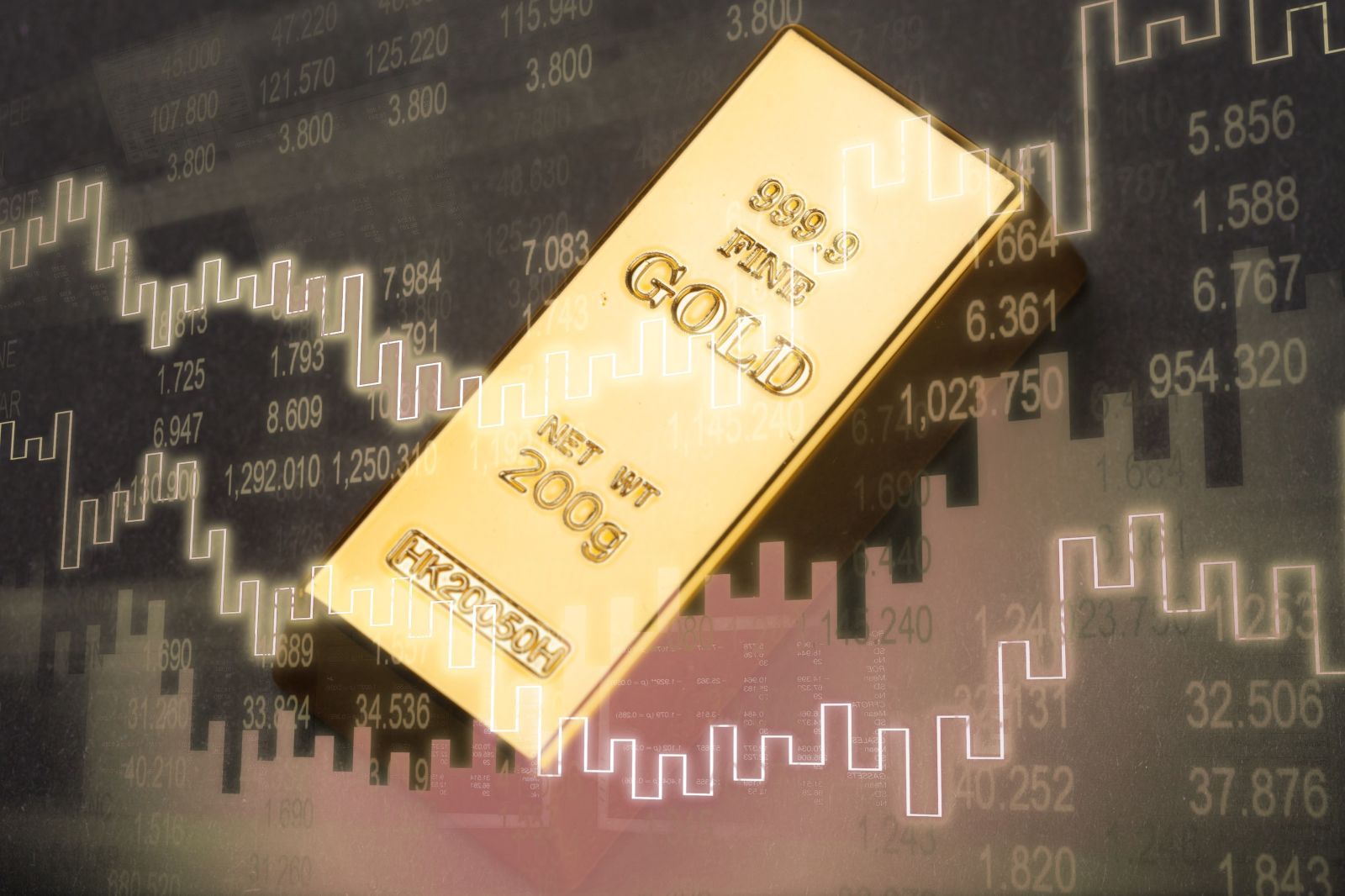
April COMEX gold (GCJ26) on Monday closed down -167.60 (-3.66%), and May COMEX silver (SIK26) closed down -0.309 (-0.44%).
Gold and silver prices retreated on Monday, with gold falling sharply to a 4-month low and silver posting a 3.25-month low. Precious metals sold off on Monday due to reduced safe-haven demand as stocks rallied sharply after President Trump postponed strikes on Iranian energy infrastructure and said productive talks were made to end the war in Iran. Precious metals also came under pressure on Monday on hawkish comments from ECB Governing Council member Peter Kazimir, who said the ECB will" act with appropriate forcefulness" to bring inflation back down to target if the Iran war boosts inflation for a prolonged period.
Precious metals recovered from their worst levels on Monday after the dollar index fell to a 1.5-week low. Also, lower global bond yields on Monday were supportive for precious metals. Losses in silver prices were limited on speculation that an end to the Iran war will boost global industrial metals demand.
Precious metals continue to see strong safe-haven demand amid the war in Iran. Also, uncertainty over US tariffs, US political turmoil, large US deficits, and government policy uncertainty are boosting demand for precious metals as a store of value.
Recent fund liquidation of precious metals is bearish for prices, as long holdings in gold ETFs fell to a 3-month low last Friday after climbing to a 3.5-year high on February 27. Also, long holdings in silver ETFs fell to a 6.25-month low last Friday after rising to a 3.5-year high on December 23.
Strong central bank demand for gold is supportive of gold prices, following the recent news that bullion held in China's PBOC reserves rose by +40,000 ounces to 74.19 million troy ounces in January, the fifteenth consecutive month the PBOC has boosted its gold reserves.