Get all your news in one place.
100's of premium titles.
One app.
Start reading
Latin Times
Latin Times
National
Alicia Civita

DOJ Drops Subpoenas Targeting Journalists in Classified Leak Investigation After Press Freedom Backlash

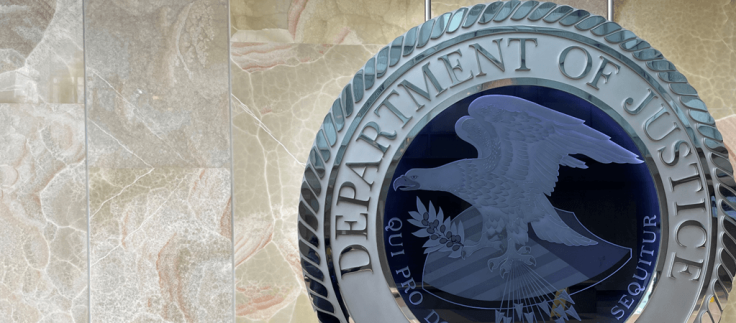
DOJ seal (Credit: U.S. Deparment of Justice)

The U.S. Department of Justice has withdrawn subpoenas that sought to force reporters from The Washington Post and The Wall Street Journal to testify before a federal grand jury as part of an investigation into leaks of classified information, marking a significant reversal in one of the Trump administration's most controversial actions against the press.

The subpoenas were issued during an aggressive crackdown on unauthorized disclosures of national security information that had alarmed media organizations and First Amendment advocates. The reporters were being compelled to provide testimony in a leak investigation, a rare move that critics argued threatened longstanding protections for journalists and their confidential sources.

Neither the Justice Department nor Acting Attorney General Todd Blanche publicly explained why the subpoenas were rescinded. Blanche declined to discuss the matter, citing grand jury secrecy rules, but said the government would continue investigating national security leaks.

The decision comes amid a broader debate over the balance between national security investigations and freedom of the press.

In April 2025, Attorney General Pam Bondi rescinded Biden-era protections that largely prohibited prosecutors from subpoenaing journalists or seizing their records in leak investigations. The revised policy reopened the door for prosecutors to compel testimony, obtain communications records and pursue other legal tools against members of the media when investigating classified disclosures.

Press freedom organizations warned at the time that the changes could discourage whistleblowers from speaking with journalists and create a chilling effect on investigative reporting.

The withdrawal of the subpoenas is therefore being viewed as a major victory for news organizations that argued reporters should not be transformed into investigative arms of the government.

The Cases That Sparked Concern

The subpoenas emerged from a wider campaign targeting alleged leaks of classified information.

One of the most controversial cases involved Washington Post reporter Hannah Natanson. In January, FBI agents searched her home and seized electronic devices as part of an investigation involving former government contractor Aurelio Perez-Lugones, who was accused of leaking classified national defense information. The search was described by press advocates as unprecedented and raised concerns about violations of the Privacy Protection Act, a law designed to shield journalists from government searches.

Federal judges later blocked prosecutors from freely examining Natanson's devices, citing concerns about press freedoms and the potential exposure of confidential sources unrelated to the investigation.

The Wall Street Journal also received grand jury subpoenas as part of leak-related investigations, according to people familiar with the matter. Press freedom groups argued that compelling reporters to reveal information obtained during newsgathering could undermine investigative journalism across the country.

The clash between leak investigations and press freedoms is not new.

The Obama administration faced criticism in 2013 after the Justice Department secretly obtained records from Associated Press journalists and Fox News reporter James Rosen during leak probes. The controversy led to reforms intended to make it more difficult for prosecutors to target reporters.

During Trump's first term, the Justice Department also came under scrutiny for secretly obtaining records from journalists and members of Congress while investigating leaks. A 2024 Inspector General report found the department failed to follow some of its own internal procedures during those investigations.

In response to those controversies, Attorney General Merrick Garland adopted stronger protections for journalists in 2021 and 2022. Those safeguards remained in place until Bondi reversed them in 2025.

The withdrawal of the subpoenas removes the immediate threat that journalists could be compelled to testify before a grand jury about their reporting and sources. However, the underlying leak investigations remain active, and the Justice Department has signaled it will continue pursuing individuals suspected of disclosing classified information.

Sign up to read this article
Read news from 100's of titles, curated specifically for you.
Already a member? Sign in here
Related Stories
Top stories on inkl right now
One subscription that gives you access to news from hundreds of sites
Already a member? Sign in here
Our Picks
Fourteen days free
Download the app
One app. One membership.
100+ trusted global sources.