
Get all your news in one place.
100's of premium titles.
One app.
Start reading
Fit & Well
Fit & Well
Health
Lou Mudge

Doing small acts of kindness every day significantly improved my wellbeing—I spoke to an expert who explained the science behind it

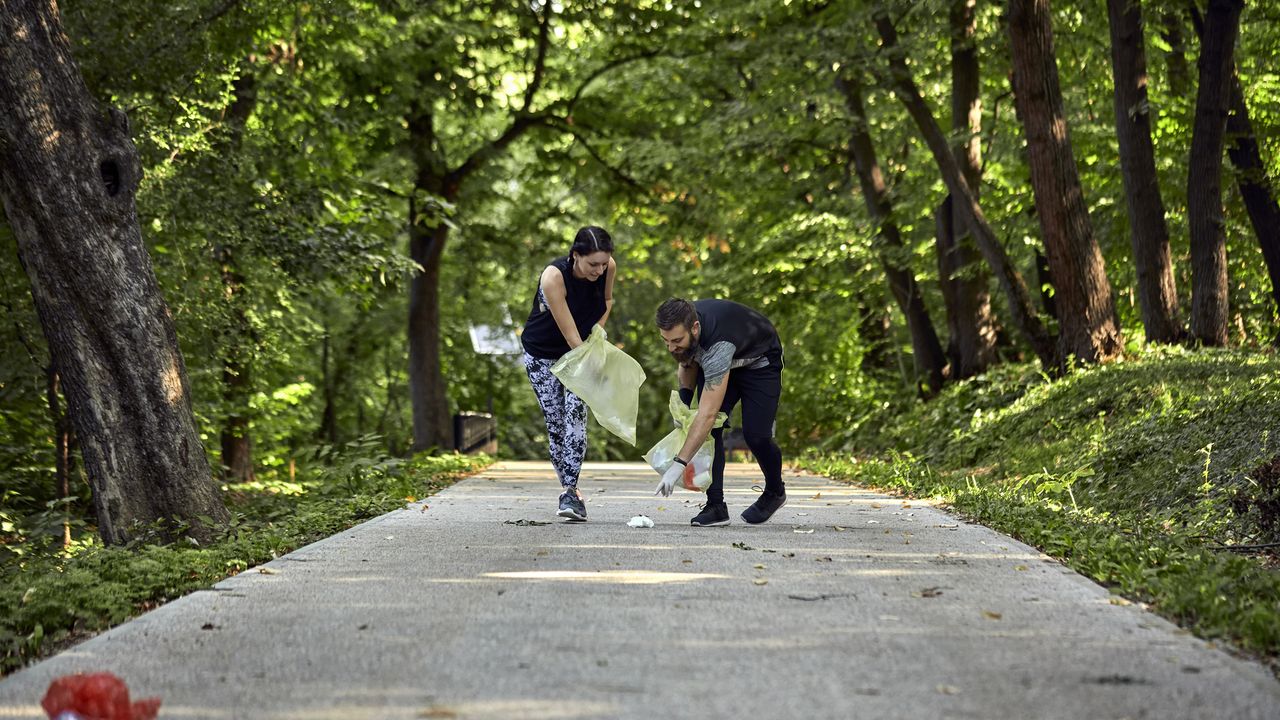
Man and woman on path in park collecting litter.

Changing your mindset can be a powerful thing and not just for you.

I was recently staring at a pile of broken glass in the street, thinking somebody should clear that up before it hurts a person or animal, when I realized that I am that somebody.


Instead of deciding it wasn’t my problem, or getting upset and feeling helpless, I got a broom and swept it up. It was a small action, but I still felt empowered for the rest of the day and beyond—I took a bag out with me while walking my dog the next day to pick up some litter.

Again, my sense of satisfaction soared. Plus, my community was left a little cleaner and the local pigeons had fewer pieces of loose plastic to mistake for food.

I was curious about the warm fuzzy feeling I experienced and decided to find out more. In a 2023 study in the Journal of Positive Psychology, participants reported improvements in symptoms of depression and anxiety after participating in three small acts of kindness per day.

So, how does that work?

Sarah Hodges, a licensed marriage and family therapist and therapy network manager at Headspace, explains that there is a tangible improvement in mental health when we are kind.

“Acts of kindness are one of those small things that have a really meaningful ripple effect. Clinically, we know they can boost mood, reduce stress, and increase feelings of connection,” says Hodges.

“Often, people feel stuck in their own heads, feel overwhelmed, overthink, or are disconnected.”

She explains that kindness can gently interrupt spiraling negative thoughts and shift your focus outward.

“It reminds you, ‘I can still show up. I can still make an impact.’ That alone can be really grounding,” she says.

The mention of grounding carried echoes of mindfulness, so I asked Hodges if the two things are linked.

“Kindness starts with slowing down and noticing, and that is the foundation of mindfulness,” she says.

“When you’re moving quickly or feeling overwhelmed, you miss those small moments where connection is possible.

“Mindfulness slows things down just enough to actually see what’s around you, who might need support, or even just where you might have the capacity to show up.

“Kindness becomes mindfulness in action; it’s not just awareness, it’s awareness followed by intention,” explains Hodges.

I realized that one of the main ways acts of kindness help me is by allowing me to feel a little more in control of my environment.

Litter collection—while not of global significance—helps me feel like I’m making a difference to my community, which is empowering.

“Kindness is grounding because it sits within your control,” says Hodges. “It gives you a sense of agency when everything else feels uncertain.”

Hodges adds that when life feels chaotic, acts of kindness can offer something steady to come back to.

“You may not be able to change everything that is happening around you, but you can choose how you show up. That choice reminds you that you still have influence,” she says.

Acts of kindness to try

Hodges explained that often kindness isn’t about going out of your way to be extraordinary, but rather how you show up in the moments that are already happening.

Here’s how she recommends simple ways to add an act of kindness into each day.

  • If you have a kind thought about someone, tell them. We underestimate how much people are moving through the world feeling invisible. It feels good to be noticed and it is within your power to make someone feel good.
  • Let someone else go first—in a line for coffee, merging in traffic, speaking in a meeting—without rushing them.
  • When someone is talking to you (like a partner or a child), stop what you’re doing and actually listen without multitasking, even if it’s not a big moment.
  • Say thank you for something small that usually goes unnoticed, like making coffee or taking the dog out.
  • Take a moment to respond to someone with a little more warmth than you might feel in the moment, especially when you’re feeling tired and it would be easy to be short.
  • Let someone finish their story, even when you’ve heard it before. Resist the urge to rush them through or interrupt.
Sign up to read this article
Read news from 100's of titles, curated specifically for you.
Already a member? Sign in here
Related Stories
Top stories on inkl right now
One subscription that gives you access to news from hundreds of sites
Already a member? Sign in here
Our Picks
Fourteen days free
Download the app
One app. One membership.
100+ trusted global sources.